$25 OFF SERVICE FOR NEW CUSTOMERS!
(954) 405-9043

How Do Bed Bugs Get in Your House And How to Stop Them
February 24, 2026
Imagine coming home from a vacation, unpacking your suitcase, and going to bed. You wake up a few days later with itchy, red bites you cannot explain. Sound familiar? You are not alone.
Thousands of homeowners discover bed bugs every year, and most of them had no idea how the bugs got inside in the first place.
So, how do bed bugs get into your house? They hitchhike. Bed bugs do not fly or jump. Instead, they quietly crawl onto your belongings and ride along wherever you go.
Once they are inside, they spread fast and hide well, which is exactly why knowing how they enter is so important.
In this guide, we will walk you through everything you need to know: where bed bugs come from, how they travel, how fast they spread, and most importantly, what you can do to stop them.
What Are Bed Bugs and Why Should You Care?
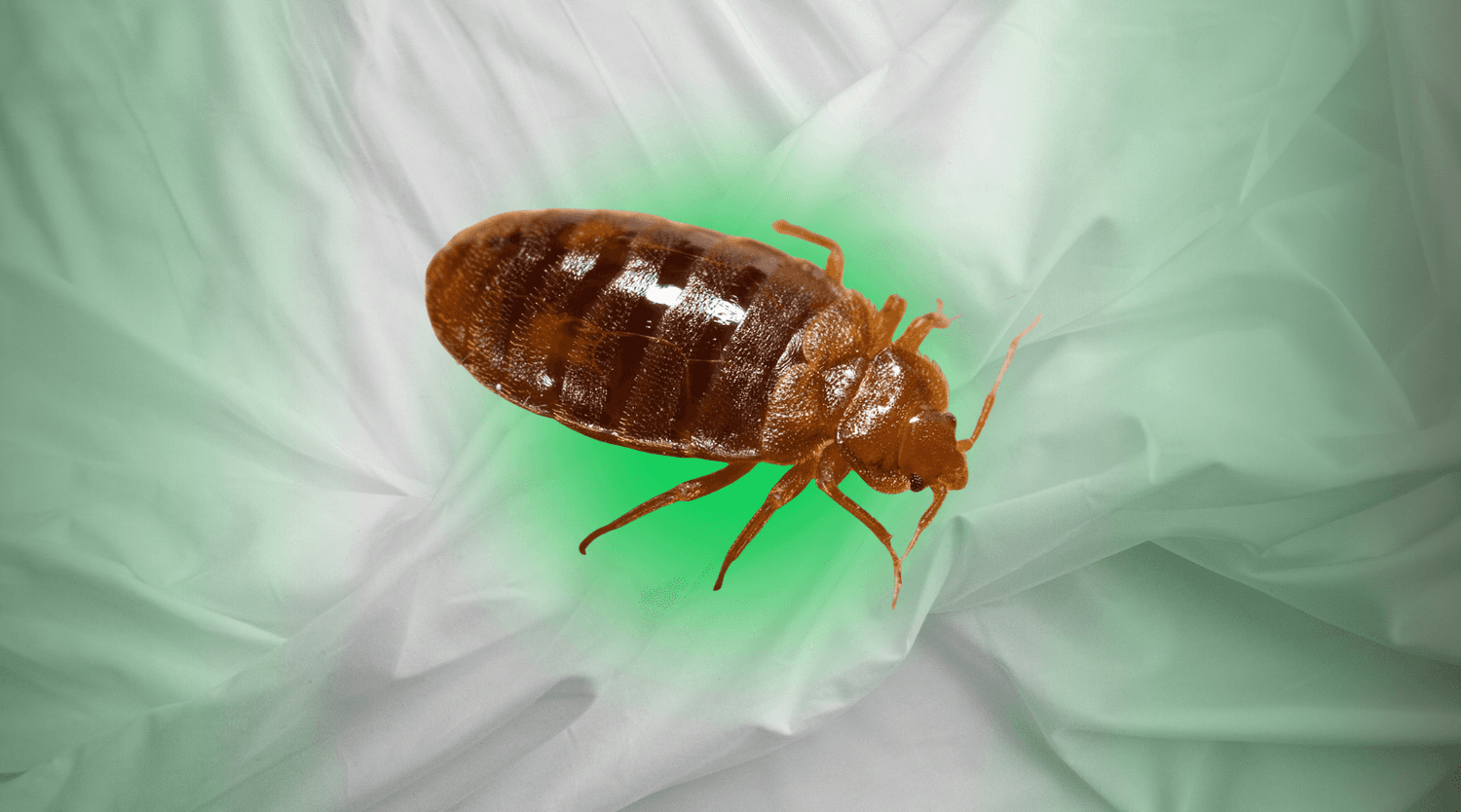
Bed bugs are small, reddish-brown insects that feed on human blood, usually while you sleep. They are about the size of an apple seed when fully grown, which makes them very easy to miss.
They do not live on your body as lice do. Instead, they hide in cracks, seams, and crevices near where you sleep or sit, then come out at night to feed.
Here is why bed bugs are a bigger deal than most people expect:
They reproduce quickly. A single female bed bug can lay up to 500 eggs in her lifetime.
They are incredibly resilient and can survive for months without a blood meal.
They cause real stress. Many people experience anxiety, sleep loss, and skin reactions as a result of an infestation.
They do not go away on their own. Without treatment, infestations only grow.
The good news is that catching them early makes a huge difference. The sooner you understand how they get in, the faster you can act.
The Bed Bug Life Cycle
To understand why bed bugs are so difficult to eliminate, it is helpful to understand how they grow and multiply.
Their life cycle moves through five stages, and each stage makes them harder to detect and destroy.
Here is a simple breakdown of the bed bug life cycle:
Stage | Name | Timeframe | Key Detail |
1 | Egg | Hatches in 6 to 10 days | Nearly invisible; most DIY sprays cannot kill eggs |
2 | 1st Nymph | Needs blood meal to advance | Already feeding and hiding from day one |
3 | 2nd to 4th Nymph | Multiple molting stages | Grows rapidly; requires blood at each stage |
4 | 5th Nymph | Final stage before adulthood | Looks like an adult but smaller and lighter in color |
5 | Adult | Lives 6 to 12 months | Can reproduce quickly; female lays 1 to 5 eggs per day |
The full cycle from egg to reproducing adult can happen in as little as four to five weeks when indoor temperatures are warm. That means a small problem can become a serious infestation before you even notice.
Furthermore, most store-bought sprays and DIY treatments are ineffective at killing eggs. So even if a product wipes out the adults, the next generation is already waiting to hatch.
This is precisely why professional treatment is so important and why acting fast matters so much.
How Do Bed Bugs Get in Your House in the First Place?
Bed bugs get into your house by hitchhiking on people, belongings, and used items, not because your home is dirty.
This is one of the biggest misconceptions about bed bugs. They are not a sign of poor housekeeping.
They do not care if your home is spotless or cluttered. What they care about is access to a warm body and a safe place to hide.
According to the Environmental Protection Agency, bed bugs are one of the most difficult urban pests to control, found in all 50 states and in homes at every income level.
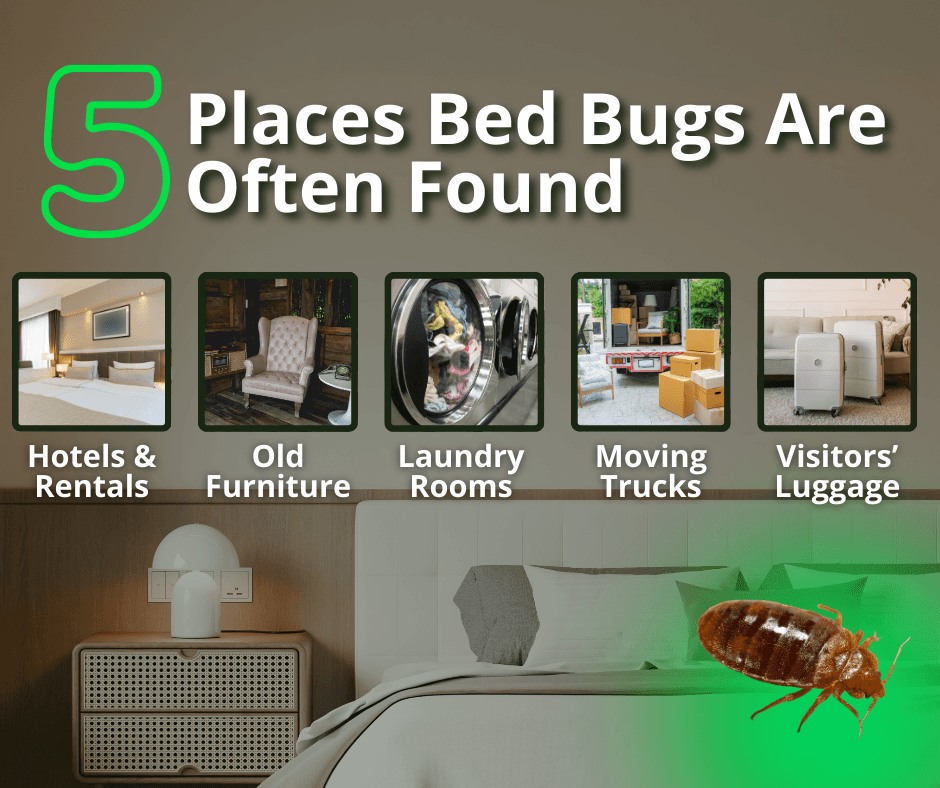
They enter homes through a few key entry points, and understanding each one is your first line of defense. They travel by attaching to:
Luggage and travel bags after stays at hotels, hostels, or short-term rentals
Used or secondhand furniture, especially bedroom mattresses, sofas, and upholstered chairs
Clothing, especially items picked up at thrift stores or laundromats
Guests and overnight visitors who unknowingly carry them in
Moving trucks, storage units, and shared spaces
The key takeaway here is that anyone can bring bed bugs home without knowing it. That is what makes them so challenging to prevent.
The Most Common Ways Bed Bugs Travel Into Homes
Now that you know bed bugs hitchhike, let us look more closely at where they are most commonly picked up. Each of these scenarios is more common than most people realize.
Hotels and Short-Term Rentals
Hotels, even clean and upscale ones, are one of the most common sources of bed bug pickup. When you stay in a hotel room, you share that space with every guest who stayed there before you.
Before you unpack, always inspect the mattress seams, headboard, and bed frame for dark spots, shed skins, or live bugs.
Used and Secondhand Furniture
Secondhand sofas, mattresses, and bed frames are a major risk. Always inspect any used furniture carefully before bringing it inside.
Look inside cushion seams, under frame joints, and along any fabric edges. If possible, avoid picking up furniture left on the curb.
Laundromats and Shared Laundry Facilities
Communal laundry spaces can transfer bed bugs from one person's clothing to another through shared tables, machines, or laundry carts.
After washing clothes at a laundromat, fold them at home rather than using shared folding tables when possible.
Visitors and Overnight Guests
This one can feel awkward to talk about, but it is worth knowing. Guests can unknowingly carry bed bugs in their luggage or clothing.
This is nobody's fault; it simply happens. If you notice signs of bed bugs after having guests stay over, treat it as a practical problem, not a personal one.
Moving Trucks and Storage Units
Shared moving trucks and storage units can harbor bed bugs from previous users. If you are moving or using storage, inspect your items carefully before bringing them into your new home.
Consider wrapping mattresses and upholstered pieces in protective covers during a move.
Can Bed Bugs Come From Neighbors or Nearby Units?
Yes, bed bugs can absolutely travel from a neighboring unit into yours, and this is a very common problem in apartments, condos, and townhomes.
Bed bugs are small enough to travel through wall voids, electrical outlets, plumbing gaps, and even through cracks in baseboards.
They follow the scent of carbon dioxide and body heat, which means they will actively move toward occupied spaces.
Here is what makes this particularly challenging in multi-unit buildings:
Treating only one unit is rarely enough. Bugs from untreated neighboring units can re-infest your space even after professional treatment.
Property managers and landlords may be required to treat adjacent units depending on local regulations.
Tenants should notify building management immediately if they suspect bed bugs so that a coordinated response can happen across multiple units.
If you live in an apartment or condo and suspect bed bugs, contact your property manager right away and reach out to a licensed pest control professional who has experience handling multi-unit infestations.
How Fast Can Bed Bugs Spread Once They Are Inside?
Bed bugs spread quickly once they are inside your home, and they do not limit themselves to the bedroom.
Once bed bugs find a safe place to hide near a food source (you), they begin reproducing rapidly. As the population grows, they start exploring beyond their original hiding spot.
They follow warmth, carbon dioxide, and the scent of blood to establish new harborage points throughout your home.
Beyond the bed, bed bugs commonly spread to:
Upholstered sofas and chairs
Curtains and drapes near sleeping areas
Electrical outlets and switch plates
Nightstands, dressers, and baseboards
Luggage stored in closets
Behind picture frames and wall hangings
Without treatment, a small number of bed bugs can grow into a serious, multi-room infestation within a few months.
The longer you wait, the more hiding spots they establish, and the more complex and costly the treatment becomes. Early action is the single most important factor in limiting how far they spread.
How to Tell If Bed Bugs Are Already in Your Home
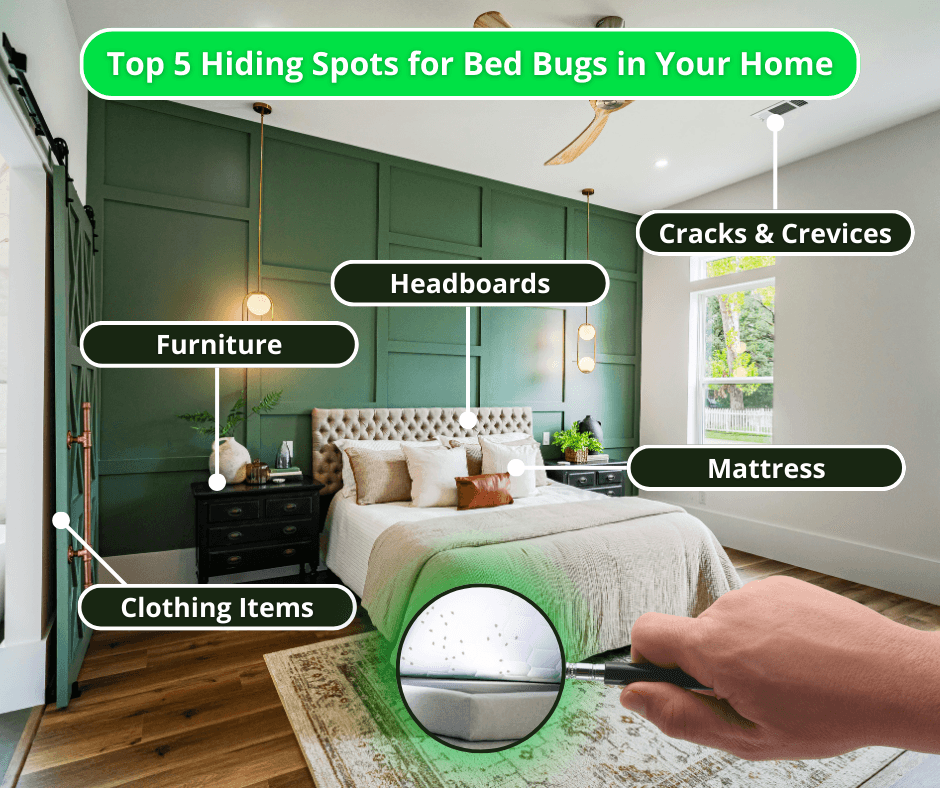
The earlier you catch a bed bug problem, the easier it is to treat. Unfortunately, bed bugs are experts at hiding, and many people do not realize they have an infestation until it is well established. Here are the most reliable signs to look for.
Common Signs of Bed Bugs
Small, itchy bites in a line or cluster, often on exposed skin like your arms, neck, or legs
Tiny dark spots (fecal staining) on your mattress, sheets, or nearby walls
Bloodstains on your pillowcase or sheets from crushed bugs
Shed skins or empty eggshells near mattress seams and bed frames
A faint, musty odor in your bedroom that was not there before
Where to Inspect First
Along mattress seams and box spring edges
Behind the headboard and along the bed frame
Inside nightstand drawers and along their edges
Along baseboards near the bed
Inside electrical outlet covers
It is also worth knowing that bed bug bites alone are not a reliable way to confirm an infestation, since they look very similar to bites from mosquitoes, fleas, or mites. Instead, focus your inspection on physical evidence like dark spots, shed skins, and live bugs.
What to Do the Moment You Suspect Bed Bugs
If you think you might have bed bugs, the most important thing you can do is act quickly and calmly. Here is what to do and what not to do.
Do These Things Right Away
Stop moving items between rooms. Moving things around spreads bugs to new areas.
Strip your bedding and wash it on the highest heat setting available.
Place dry items like pillows and stuffed animals in the dryer on high heat for at least 30 minutes.
Take photos and document what you find to share with a pest professional.
Seal any items you cannot wash in plastic bags until treatment.
Avoid Doing These Things
Do not use DIY sprays or foggers. These often scatter bed bugs deeper into walls and furniture, making the problem worse.
Do not throw out your mattress or furniture right away. In most cases, treatment can save your belongings, and discarding items can spread bugs to other areas of your home or neighborhood.
Do not sleep in a different room. Moving to another room simply causes bed bugs to follow you and spread the infestation further.
The sooner you contact a licensed pest control professional, the better your outcome will be. Catching a bed bug infestation early means less treatment, lower cost, and much less disruption to your daily life.
How Radix Pest Solutions Eliminates Bed Bugs for Good
At Radix Pest Solutions, we know how stressful a bed bug infestation can be. That is why we offer thorough, targeted bed bug treatments designed to address every life stage, not just the adults you can see.
Our process is straightforward and focused on results:
We start with a detailed inspection to confirm the infestation and identify all affected areas.
We develop a customized treatment plan based on the severity of the infestation and the layout of your home.
We use professional-grade treatment methods that reach bed bugs in all their hiding spots, including inside wall voids and furniture joints where DIY products never reach.
We follow up after treatment to make sure the infestation is fully resolved.
Unlike store-bought sprays, professional treatment targets all life stages, including eggs. That is the critical difference between a temporary fix and a real, lasting solution.
Related Questions
Can bed bugs come in through windows or doors on their own?
No. Bed bugs cannot fly or jump, so they cannot enter through open windows or doors on their own. They always need a carrier, a person, a bag, or a piece of furniture to travel from one place to another.
How long can bed bugs survive without feeding?
Like ticks, adult bed bugs can survive anywhere from several months to over a year without a blood meal under cool conditions. This is why they can persist in vacant homes and why simply leaving your home for a short period will not get rid of them.
Do bed bugs only live in beds?
Despite their name, bed bugs do not limit themselves to beds. They also commonly hide in sofas, chairs, curtains, electrical outlets, baseboards, nightstands, and even inside wall voids.
Will washing your clothes kill bed bugs?
Washing clothes in hot water above 120 degrees Fahrenheit followed by a full cycle in a hot dryer will kill fleas and bed bugs at all life stages, including eggs. However, washing alone is not enough to treat an infestation since bugs in other parts of your home will remain unaffected.
How do you know if bed bugs are gone after treatment?
After professional treatment, your pest control provider should schedule a follow-up inspection to confirm success. Signs that bed bugs are gone include no new bites, no new dark spotting on bedding, and no live bugs found during inspection.
Conclusion
Bed bugs are sneaky, persistent, and stressful, but they are absolutely stoppable when you act fast and get the right help.
Now that you know how bed bugs get into your house, you are already one step ahead of most homeowners.
If you have spotted signs of bed bugs or simply want peace of mind, the team at Radix Pest Solutions is here to help.
Imagine coming home from a vacation, unpacking your suitcase, and going to bed. You wake up a few days later with itchy, red bites you cannot explain. Sound familiar? You are not alone.
Thousands of homeowners discover bed bugs every year, and most of them had no idea how the bugs got inside in the first place.
So, how do bed bugs get into your house? They hitchhike. Bed bugs do not fly or jump. Instead, they quietly crawl onto your belongings and ride along wherever you go.
Once they are inside, they spread fast and hide well, which is exactly why knowing how they enter is so important.
In this guide, we will walk you through everything you need to know: where bed bugs come from, how they travel, how fast they spread, and most importantly, what you can do to stop them.
What Are Bed Bugs and Why Should You Care?
Bed bugs are small, reddish-brown insects that feed on human blood, usually while you sleep. They are about the size of an apple seed when fully grown, which makes them very easy to miss.
They do not live on your body as lice do. Instead, they hide in cracks, seams, and crevices near where you sleep or sit, then come out at night to feed.
Here is why bed bugs are a bigger deal than most people expect:
They reproduce quickly. A single female bed bug can lay up to 500 eggs in her lifetime.
They are incredibly resilient and can survive for months without a blood meal.
They cause real stress. Many people experience anxiety, sleep loss, and skin reactions as a result of an infestation.
They do not go away on their own. Without treatment, infestations only grow.
The good news is that catching them early makes a huge difference. The sooner you understand how they get in, the faster you can act.
The Bed Bug Life Cycle
To understand why bed bugs are so difficult to eliminate, it is helpful to understand how they grow and multiply.
Their life cycle moves through five stages, and each stage makes them harder to detect and destroy.
Here is a simple breakdown of the bed bug life cycle:
Stage | Name | Timeframe | Key Detail |
1 | Egg | Hatches in 6 to 10 days | Nearly invisible; most DIY sprays cannot kill eggs |
2 | 1st Nymph | Needs blood meal to advance | Already feeding and hiding from day one |
3 | 2nd to 4th Nymph | Multiple molting stages | Grows rapidly; requires blood at each stage |
4 | 5th Nymph | Final stage before adulthood | Looks like an adult but smaller and lighter in color |
5 | Adult | Lives 6 to 12 months | Can reproduce quickly; female lays 1 to 5 eggs per day |
The full cycle from egg to reproducing adult can happen in as little as four to five weeks when indoor temperatures are warm. That means a small problem can become a serious infestation before you even notice.
Furthermore, most store-bought sprays and DIY treatments are ineffective at killing eggs. So even if a product wipes out the adults, the next generation is already waiting to hatch.
This is precisely why professional treatment is so important and why acting fast matters so much.
How Do Bed Bugs Get in Your House in the First Place?
Bed bugs get into your house by hitchhiking on people, belongings, and used items, not because your home is dirty.
This is one of the biggest misconceptions about bed bugs. They are not a sign of poor housekeeping.
They do not care if your home is spotless or cluttered. What they care about is access to a warm body and a safe place to hide.
According to the Environmental Protection Agency, bed bugs are one of the most difficult urban pests to control, found in all 50 states and in homes at every income level.
They enter homes through a few key entry points, and understanding each one is your first line of defense. They travel by attaching to:
Luggage and travel bags after stays at hotels, hostels, or short-term rentals
Used or secondhand furniture, especially bedroom mattresses, sofas, and upholstered chairs
Clothing, especially items picked up at thrift stores or laundromats
Guests and overnight visitors who unknowingly carry them in
Moving trucks, storage units, and shared spaces
The key takeaway here is that anyone can bring bed bugs home without knowing it. That is what makes them so challenging to prevent.
The Most Common Ways Bed Bugs Travel Into Homes
Now that you know bed bugs hitchhike, let us look more closely at where they are most commonly picked up. Each of these scenarios is more common than most people realize.
Hotels and Short-Term Rentals
Hotels, even clean and upscale ones, are one of the most common sources of bed bug pickup. When you stay in a hotel room, you share that space with every guest who stayed there before you.
Before you unpack, always inspect the mattress seams, headboard, and bed frame for dark spots, shed skins, or live bugs.
Used and Secondhand Furniture
Secondhand sofas, mattresses, and bed frames are a major risk. Always inspect any used furniture carefully before bringing it inside.
Look inside cushion seams, under frame joints, and along any fabric edges. If possible, avoid picking up furniture left on the curb.
Laundromats and Shared Laundry Facilities
Communal laundry spaces can transfer bed bugs from one person's clothing to another through shared tables, machines, or laundry carts.
After washing clothes at a laundromat, fold them at home rather than using shared folding tables when possible.
Visitors and Overnight Guests
This one can feel awkward to talk about, but it is worth knowing. Guests can unknowingly carry bed bugs in their luggage or clothing.
This is nobody's fault; it simply happens. If you notice signs of bed bugs after having guests stay over, treat it as a practical problem, not a personal one.
Moving Trucks and Storage Units
Shared moving trucks and storage units can harbor bed bugs from previous users. If you are moving or using storage, inspect your items carefully before bringing them into your new home.
Consider wrapping mattresses and upholstered pieces in protective covers during a move.
Can Bed Bugs Come From Neighbors or Nearby Units?
Yes, bed bugs can absolutely travel from a neighboring unit into yours, and this is a very common problem in apartments, condos, and townhomes.
Bed bugs are small enough to travel through wall voids, electrical outlets, plumbing gaps, and even through cracks in baseboards.
They follow the scent of carbon dioxide and body heat, which means they will actively move toward occupied spaces.
Here is what makes this particularly challenging in multi-unit buildings:
Treating only one unit is rarely enough. Bugs from untreated neighboring units can re-infest your space even after professional treatment.
Property managers and landlords may be required to treat adjacent units depending on local regulations.
Tenants should notify building management immediately if they suspect bed bugs so that a coordinated response can happen across multiple units.
If you live in an apartment or condo and suspect bed bugs, contact your property manager right away and reach out to a licensed pest control professional who has experience handling multi-unit infestations.
How Fast Can Bed Bugs Spread Once They Are Inside?
Bed bugs spread quickly once they are inside your home, and they do not limit themselves to the bedroom.
Once bed bugs find a safe place to hide near a food source (you), they begin reproducing rapidly. As the population grows, they start exploring beyond their original hiding spot.
They follow warmth, carbon dioxide, and the scent of blood to establish new harborage points throughout your home.
Beyond the bed, bed bugs commonly spread to:
Upholstered sofas and chairs
Curtains and drapes near sleeping areas
Electrical outlets and switch plates
Nightstands, dressers, and baseboards
Luggage stored in closets
Behind picture frames and wall hangings
Without treatment, a small number of bed bugs can grow into a serious, multi-room infestation within a few months.
The longer you wait, the more hiding spots they establish, and the more complex and costly the treatment becomes. Early action is the single most important factor in limiting how far they spread.
How to Tell If Bed Bugs Are Already in Your Home
The earlier you catch a bed bug problem, the easier it is to treat. Unfortunately, bed bugs are experts at hiding, and many people do not realize they have an infestation until it is well established. Here are the most reliable signs to look for.
Common Signs of Bed Bugs
Small, itchy bites in a line or cluster, often on exposed skin like your arms, neck, or legs
Tiny dark spots (fecal staining) on your mattress, sheets, or nearby walls
Bloodstains on your pillowcase or sheets from crushed bugs
Shed skins or empty eggshells near mattress seams and bed frames
A faint, musty odor in your bedroom that was not there before
Where to Inspect First
Along mattress seams and box spring edges
Behind the headboard and along the bed frame
Inside nightstand drawers and along their edges
Along baseboards near the bed
Inside electrical outlet covers
It is also worth knowing that bed bug bites alone are not a reliable way to confirm an infestation, since they look very similar to bites from mosquitoes, fleas, or mites. Instead, focus your inspection on physical evidence like dark spots, shed skins, and live bugs.
What to Do the Moment You Suspect Bed Bugs
If you think you might have bed bugs, the most important thing you can do is act quickly and calmly. Here is what to do and what not to do.
Do These Things Right Away
Stop moving items between rooms. Moving things around spreads bugs to new areas.
Strip your bedding and wash it on the highest heat setting available.
Place dry items like pillows and stuffed animals in the dryer on high heat for at least 30 minutes.
Take photos and document what you find to share with a pest professional.
Seal any items you cannot wash in plastic bags until treatment.
Avoid Doing These Things
Do not use DIY sprays or foggers. These often scatter bed bugs deeper into walls and furniture, making the problem worse.
Do not throw out your mattress or furniture right away. In most cases, treatment can save your belongings, and discarding items can spread bugs to other areas of your home or neighborhood.
Do not sleep in a different room. Moving to another room simply causes bed bugs to follow you and spread the infestation further.
The sooner you contact a licensed pest control professional, the better your outcome will be. Catching a bed bug infestation early means less treatment, lower cost, and much less disruption to your daily life.
How Radix Pest Solutions Eliminates Bed Bugs for Good
At Radix Pest Solutions, we know how stressful a bed bug infestation can be. That is why we offer thorough, targeted bed bug treatments designed to address every life stage, not just the adults you can see.
Our process is straightforward and focused on results:
We start with a detailed inspection to confirm the infestation and identify all affected areas.
We develop a customized treatment plan based on the severity of the infestation and the layout of your home.
We use professional-grade treatment methods that reach bed bugs in all their hiding spots, including inside wall voids and furniture joints where DIY products never reach.
We follow up after treatment to make sure the infestation is fully resolved.
Unlike store-bought sprays, professional treatment targets all life stages, including eggs. That is the critical difference between a temporary fix and a real, lasting solution.
Related Questions
Can bed bugs come in through windows or doors on their own?
No. Bed bugs cannot fly or jump, so they cannot enter through open windows or doors on their own. They always need a carrier, a person, a bag, or a piece of furniture to travel from one place to another.
How long can bed bugs survive without feeding?
Like ticks, adult bed bugs can survive anywhere from several months to over a year without a blood meal under cool conditions. This is why they can persist in vacant homes and why simply leaving your home for a short period will not get rid of them.
Do bed bugs only live in beds?
Despite their name, bed bugs do not limit themselves to beds. They also commonly hide in sofas, chairs, curtains, electrical outlets, baseboards, nightstands, and even inside wall voids.
Will washing your clothes kill bed bugs?
Washing clothes in hot water above 120 degrees Fahrenheit followed by a full cycle in a hot dryer will kill fleas and bed bugs at all life stages, including eggs. However, washing alone is not enough to treat an infestation since bugs in other parts of your home will remain unaffected.
How do you know if bed bugs are gone after treatment?
After professional treatment, your pest control provider should schedule a follow-up inspection to confirm success. Signs that bed bugs are gone include no new bites, no new dark spotting on bedding, and no live bugs found during inspection.
Conclusion
Bed bugs are sneaky, persistent, and stressful, but they are absolutely stoppable when you act fast and get the right help.
Now that you know how bed bugs get into your house, you are already one step ahead of most homeowners.
If you have spotted signs of bed bugs or simply want peace of mind, the team at Radix Pest Solutions is here to help.
Check Out What Our Pest Free Customers Have To Say

Emerald Tower Association, Inc
Pompano Beach, Florida

Highly recommend them. We had issues with raccoons and Jonathan immediately came out and placed cages around the property. Caught several raccoons. Thank you Jonathan for your excellent service.

Darcy Miller
Pompano Beach, Florida
I would definitely recommend Radix Pest Solutions. Jonathan is very professional, reliable and punctual. He absolutely knows this business and takes pride in his work.

Jason Shervinski
Pompano Beach, Florida
We have had Jonathan as our exterminator for well over 7 years. We could not think of a better Pest Control company for all of properties and needs. Jonathan is prompt, detailed, and reasonable. If you are searching for a quality Pest Control Company as a one time or on a recurring basis you found it in Radix!

Emily Acevedo
Pompano Beach, Florida
Jonathan was very professional and knowledgeable, he listened and then proceeded to address the concerns. He provided excellent service and explained the process, completed it quickly and efficiently. I will be using this company again and recommend to anyone with a pest problem.

Killgates Covidlie
Pompano Beach, Florida
I’ve known Jonathan for over five years. On how he took care of us during a complete termite infestation is no less than perfection. There no one like him, bar none. His honesty, reliability, hard work and dedication and punctuality. I feel privileged that I was lucky enough to have found him to use his service, because they don’t exist like him. Thank you Jonathan.
Daisy Maestre
Pompano Beach, Florida
It’s the best pest control company that I’ve dealt with, Jonathan is knowledgeable, always prompt, courteous and thorough and very affordable. I highly recommend him…. Give him a call you won’t regret it… 😊
Emerald Tower Association, Inc
Pompano Beach, Florida
Highly recommend them. We had issues with raccoons and Jonathan immediately came out and placed cages around the property. Caught several raccoons. Thank you Jonathan for your excellent service.
Darcy Miller
Pompano Beach, Florida
I would definitely recommend Radix Pest Solutions. Jonathan is very professional, reliable and punctual. He absolutely knows this business and takes pride in his work.
Jason Shervinski
Pompano Beach, Florida
We have had Jonathan as our exterminator for well over 7 years. We could not think of a better Pest Control company for all of properties and needs. Jonathan is prompt, detailed, and reasonable. If you are searching for a quality Pest Control Company as a one time or on a recurring basis you found it in Radix!
Emily Acevedo
Pompano Beach, Florida
Jonathan was very professional and knowledgeable, he listened and then proceeded to address the concerns. He provided excellent service and explained the process, completed it quickly and efficiently. I will be using this company again and recommend to anyone with a pest problem.
Killgates Covidlie
Pompano Beach, Florida
I’ve known Jonathan for over five years. On how he took care of us during a complete termite infestation is no less than perfection. There no one like him, bar none. His honesty, reliability, hard work and dedication and punctuality. I feel privileged that I was lucky enough to have found him to use his service, because they don’t exist like him. Thank you Jonathan.
Daisy Maestre
Pompano Beach, Florida
It’s the best pest control company that I’ve dealt with, Jonathan is knowledgeable, always prompt, courteous and thorough and very affordable. I highly recommend him…. Give him a call you won’t regret it… 😊
Emerald Tower Association, Inc
Pompano Beach, Florida
Highly recommend them. We had issues with raccoons and Jonathan immediately came out and placed cages around the property. Caught several raccoons. Thank you Jonathan for your excellent service.
Darcy Miller
Pompano Beach, Florida
I would definitely recommend Radix Pest Solutions. Jonathan is very professional, reliable and punctual. He absolutely knows this business and takes pride in his work.
Jason Shervinski
Pompano Beach, Florida
We have had Jonathan as our exterminator for well over 7 years. We could not think of a better Pest Control company for all of properties and needs. Jonathan is prompt, detailed, and reasonable. If you are searching for a quality Pest Control Company as a one time or on a recurring basis you found it in Radix!
Emily Acevedo
Pompano Beach, Florida
Jonathan was very professional and knowledgeable, he listened and then proceeded to address the concerns. He provided excellent service and explained the process, completed it quickly and efficiently. I will be using this company again and recommend to anyone with a pest problem.
Killgates Covidlie
Pompano Beach, Florida
I’ve known Jonathan for over five years. On how he took care of us during a complete termite infestation is no less than perfection. There no one like him, bar none. His honesty, reliability, hard work and dedication and punctuality. I feel privileged that I was lucky enough to have found him to use his service, because they don’t exist like him. Thank you Jonathan.
Daisy Maestre
Pompano Beach, Florida
It’s the best pest control company that I’ve dealt with, Jonathan is knowledgeable, always prompt, courteous and thorough and very affordable. I highly recommend him…. Give him a call you won’t regret it… 😊
Emerald Tower Association, Inc
Pompano Beach, Florida
Highly recommend them. We had issues with raccoons and Jonathan immediately came out and placed cages around the property. Caught several raccoons. Thank you Jonathan for your excellent service.
Darcy Miller
Pompano Beach, Florida
I would definitely recommend Radix Pest Solutions. Jonathan is very professional, reliable and punctual. He absolutely knows this business and takes pride in his work.
Jason Shervinski
Pompano Beach, Florida
We have had Jonathan as our exterminator for well over 7 years. We could not think of a better Pest Control company for all of properties and needs. Jonathan is prompt, detailed, and reasonable. If you are searching for a quality Pest Control Company as a one time or on a recurring basis you found it in Radix!
Emily Acevedo
Pompano Beach, Florida
Jonathan was very professional and knowledgeable, he listened and then proceeded to address the concerns. He provided excellent service and explained the process, completed it quickly and efficiently. I will be using this company again and recommend to anyone with a pest problem.
Killgates Covidlie
Pompano Beach, Florida
I’ve known Jonathan for over five years. On how he took care of us during a complete termite infestation is no less than perfection. There no one like him, bar none. His honesty, reliability, hard work and dedication and punctuality. I feel privileged that I was lucky enough to have found him to use his service, because they don’t exist like him. Thank you Jonathan.
Daisy Maestre
Pompano Beach, Florida
It’s the best pest control company that I’ve dealt with, Jonathan is knowledgeable, always prompt, courteous and thorough and very affordable. I highly recommend him…. Give him a call you won’t regret it… 😊


We offer a range of professional pest control services to residential and commercial clients. Our experienced team is dedicated to keeping your property pest-free with minimal disruption to your daily life.
Phone:
E-mail:
Locations:
1940 NW 1st Ave
Pompano Beach, FL 33060
2131 Hollywood Blvd, Ste 306
Hollywood, FL 33020
2829 SW 67th Ave
Miami, FL 33155
Hours
Monday - Saturday
07:00 am – 05:00 pm
Sun Closed
*Closed All Major Holidays*
Our Services
We offer a range of professional pest control services to residential and commercial clients. Our experienced team is dedicated to keeping your property pest-free with minimal disruption to your daily life.
Phone:
E-mail:
Locations:
1940 NW 1st Ave
Pompano Beach, FL 33060
2131 Hollywood Blvd, Ste 306
Hollywood, FL 33020
2829 SW 67th Ave
Miami, FL 33155
Hours
Monday - Saturday
07:00 am – 05:00 pm
Sun Closed
*Closed All Major Holidays*
Our Services
We offer a range of professional pest control services to residential and commercial clients. Our experienced team is dedicated to keeping your property pest-free with minimal disruption to your daily life.
Phone:
E-mail:
Locations:
1940 NW 1st Ave
Pompano Beach, FL 33060
2131 Hollywood Blvd, Ste 306
Hollywood, FL 33020
2829 SW 67th Ave
Miami, FL 33155
Hours
Monday - Saturday
07:00 am – 05:00 pm
Sun Closed
*Closed All Major Holidays*
Our Services
We offer a range of professional pest control services to residential and commercial clients. Our experienced team is dedicated to keeping your property pest-free with minimal disruption to your daily life.
Phone:
E-mail:
Locations:
1940 NW 1st Ave
Pompano Beach, FL 33060
2131 Hollywood Blvd, Ste 306
Hollywood, FL 33020
2829 SW 67th Ave
Miami, FL 33155
Hours
Monday - Saturday
07:00 am – 05:00 pm
Sun Closed
*Closed All Major Holidays*
Our Services