$25 OFF SERVICE FOR NEW CUSTOMERS!
(954) 405-9043

How to Get Rid of Palmetto Bugs in South Florida
July 31, 2026

If you've spotted a large, reddish-brown bug scurrying across your kitchen floor at night, you're probably dealing with a palmetto bug, one of the biggest cockroach species found in Florida homes. The good news: getting rid of them comes down to cutting off moisture, sealing entry points, and baiting the right way.
At Radix Pest Solutions, we help South Florida homeowners handle palmetto bug problems every week, so here's exactly what works.
What Is a Palmetto Bug?
A palmetto bug is a nickname, not a separate species. In Florida, it usually refers to the American cockroach or the Florida woods cockroach, two of the largest roaches you'll find indoors or out.
They're easy to identify once you know what to look for:
Size: 1.5 to 2 inches long, noticeably bigger than a German cockroach
Color: Reddish-brown to dark brown, with a pale yellow band around the head
Wings: Present on the American cockroach, which can glide short distances when startled
Speed: Fast movers that tend to bolt for cover the moment a light turns on
People sometimes confuse palmetto bugs with the much smaller German cockroach, but German roaches stay indoors near food and water, while palmetto bugs usually start outside and wander in.
Why Palmetto Bugs Keep Showing Up in Your Home
Palmetto bugs follow moisture. South Florida's humidity, afternoon storms, and mulch-heavy landscaping give them exactly what they're looking for, and your house often looks like an upgrade.
Common entry points and attractants include:
Damp mulch beds, woodpiles, or leaf litter pushed up against the foundation
Gaps around pipes, vents, and the base of exterior doors
Standing water in sinks, tubs, or clogged gutters
Leaky faucets, AC condensation lines, or damp crawl spaces
Open garbage cans or pet food left out overnight
Once inside, they head straight for the dampest, darkest spots in the house, think bathrooms, laundry rooms, and under the kitchen sink.
How to Get Rid of Palmetto Bugs: Step-by-Step
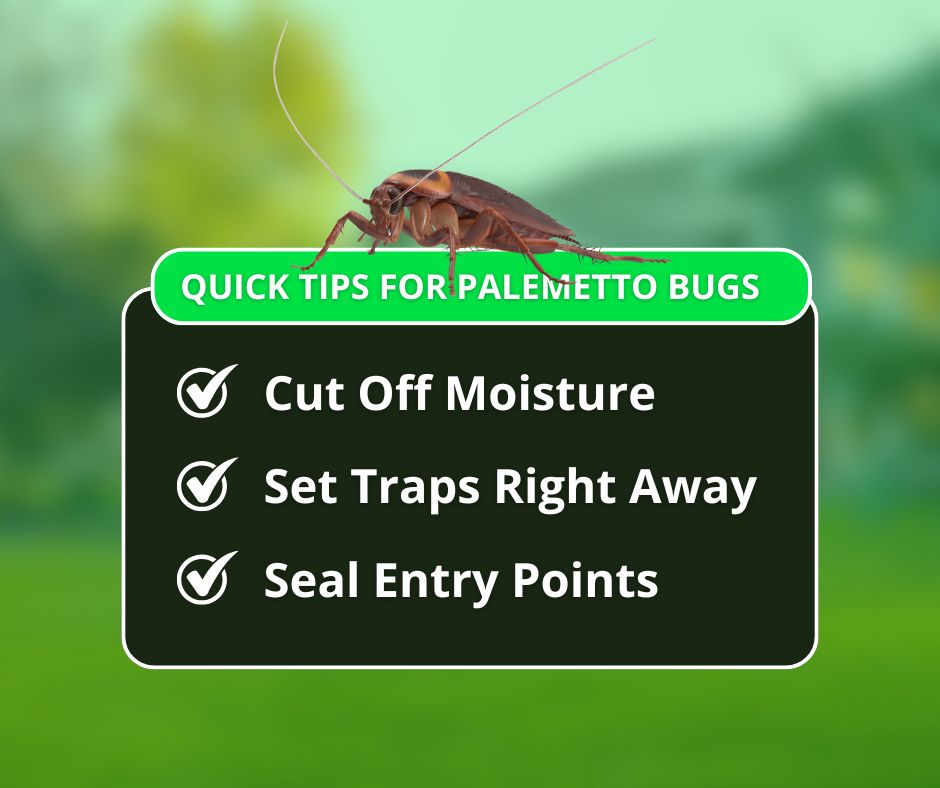
Fix moisture problems first. Repair leaky pipes and faucets, clear clogged gutters, and make sure your AC condensation line drains away from the foundation. Palmetto bugs can't survive long without a water source, so this step alone reduces the population fast.
Seal entry points. Caulk gaps around pipes, wires, and vents. Add weatherstripping to exterior doors and check that window screens fit tightly. Palmetto bugs can squeeze through surprisingly small openings.
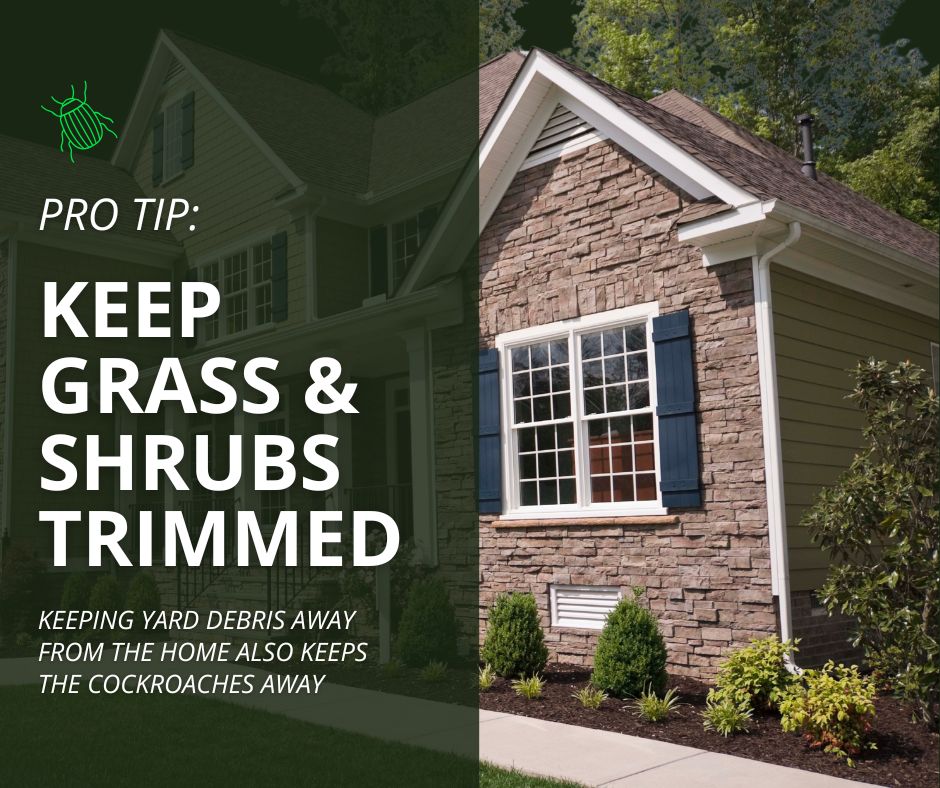
Clear outdoor harborage. Pull mulch and leaf litter back from the foundation by at least a foot, stack firewood away from the house, and keep grass and shrubs trimmed near exterior walls.
Use bait, not spray, for indoor activity. Gel baits and bait stations placed along baseboards and under sinks let roaches carry the bait back to where others are hiding. Repellent sprays can actually scatter a colony and make the problem harder to track.
Clean up food sources. Store pet food in sealed containers, wipe down counters nightly, and take the trash out regularly. According to the CDC's guidance on cockroaches, reducing food and water access is one of the most effective ways to bring an infestation under control.
Recheck after a week. If you're still seeing palmetto bugs indoors after tackling moisture, entry points, and food sources, the colony is likely established somewhere you can't easily reach, which is when a professional inspection pays off.
Keeping Palmetto Bugs From Coming Back
Once you've cleared an active problem, a few habits keep it from returning:
Inspect and reseal exterior gaps every few months, especially after storms
Keep mulch and vegetation pulled back from the foundation
Address moisture issues (leaks, condensation, poor drainage) as soon as they appear
Schedule routine residential pest control to catch new activity before it becomes a full infestation
Homeowners dealing with a broader cockroach mix, not just palmetto bugs, may also want to understand German cockroaches vs. Florida palmetto bugs to tell exactly what's in the house.
Related Questions to Explore
Are palmetto bugs dangerous? Not in the sense of biting or stinging, but they can spread bacteria like Salmonella and trigger allergies or asthma symptoms, particularly in kids. Their droppings and shed skins are the bigger concern over time.
What's the difference between a palmetto bug and a regular cockroach? "Palmetto bug" is a Southern nickname, not a distinct species. It's typically used for the American cockroach or Florida woods cockroach, both of which are larger and more likely to live outdoors than the smaller German cockroach.
Can palmetto bugs fly? The American cockroach has wings and can glide short distances, especially when it's startled, though it's not a strong or frequent flyer. The Florida woods cockroach moves more slowly and rarely takes flight.
Do palmetto bugs bite? It's rare. Palmetto bugs are scavengers, not predators, so bites only happen in unusual, heavy-infestation situations. The bigger day-to-day issue is the bacteria and allergens they carry.
Why do I suddenly have palmetto bugs in my house? A sudden appearance usually follows heavy rain, a new moisture source (a slow leak, a clogged gutter), or nearby yard work that disturbs an outdoor nesting site.
When to Call a Professional
DIY steps handle most light activity, but a few signs mean it's time to bring in a pro:
You're seeing palmetto bugs during the day, which usually means a large nearby colony
Bait and sealing haven't reduced activity after a week or two
You're finding them in multiple rooms, not just near an entry point
You manage a rental property or business where an infestation affects tenants or customers
Radix Pest Solutions inspects the interior and exterior of your property, finds where palmetto bugs are getting in and nesting, and builds a treatment plan around your specific situation, not a one-size-fits-all spray. We serve Broward, Palm Beach, and Miami-Dade counties with the same team on every visit.
Conclusion
Palmetto bugs are a fact of life in South Florida, but they don't have to be a fact of life in your house. The fastest path to getting rid of them is cutting off moisture, sealing obvious entry points, and baiting instead of spraying indoors.
Fix leaks and drainage issues before anything else
Seal gaps and clear mulch/debris from the foundation
Bait, don't spray, for indoor activity
If palmetto bugs keep coming back no matter what you try, get in touch with Radix Pest Solutions for an inspection and a treatment plan built for your home.
If you've spotted a large, reddish-brown bug scurrying across your kitchen floor at night, you're probably dealing with a palmetto bug, one of the biggest cockroach species found in Florida homes. The good news: getting rid of them comes down to cutting off moisture, sealing entry points, and baiting the right way.
At Radix Pest Solutions, we help South Florida homeowners handle palmetto bug problems every week, so here's exactly what works.
What Is a Palmetto Bug?
A palmetto bug is a nickname, not a separate species. In Florida, it usually refers to the American cockroach or the Florida woods cockroach, two of the largest roaches you'll find indoors or out.
They're easy to identify once you know what to look for:
Size: 1.5 to 2 inches long, noticeably bigger than a German cockroach
Color: Reddish-brown to dark brown, with a pale yellow band around the head
Wings: Present on the American cockroach, which can glide short distances when startled
Speed: Fast movers that tend to bolt for cover the moment a light turns on
People sometimes confuse palmetto bugs with the much smaller German cockroach, but German roaches stay indoors near food and water, while palmetto bugs usually start outside and wander in.
Why Palmetto Bugs Keep Showing Up in Your Home
Palmetto bugs follow moisture. South Florida's humidity, afternoon storms, and mulch-heavy landscaping give them exactly what they're looking for, and your house often looks like an upgrade.
Common entry points and attractants include:
Damp mulch beds, woodpiles, or leaf litter pushed up against the foundation
Gaps around pipes, vents, and the base of exterior doors
Standing water in sinks, tubs, or clogged gutters
Leaky faucets, AC condensation lines, or damp crawl spaces
Open garbage cans or pet food left out overnight
Once inside, they head straight for the dampest, darkest spots in the house, think bathrooms, laundry rooms, and under the kitchen sink.
How to Get Rid of Palmetto Bugs: Step-by-Step
Fix moisture problems first. Repair leaky pipes and faucets, clear clogged gutters, and make sure your AC condensation line drains away from the foundation. Palmetto bugs can't survive long without a water source, so this step alone reduces the population fast.
Seal entry points. Caulk gaps around pipes, wires, and vents. Add weatherstripping to exterior doors and check that window screens fit tightly. Palmetto bugs can squeeze through surprisingly small openings.
Clear outdoor harborage. Pull mulch and leaf litter back from the foundation by at least a foot, stack firewood away from the house, and keep grass and shrubs trimmed near exterior walls.
Use bait, not spray, for indoor activity. Gel baits and bait stations placed along baseboards and under sinks let roaches carry the bait back to where others are hiding. Repellent sprays can actually scatter a colony and make the problem harder to track.
Clean up food sources. Store pet food in sealed containers, wipe down counters nightly, and take the trash out regularly. According to the CDC's guidance on cockroaches, reducing food and water access is one of the most effective ways to bring an infestation under control.
Recheck after a week. If you're still seeing palmetto bugs indoors after tackling moisture, entry points, and food sources, the colony is likely established somewhere you can't easily reach, which is when a professional inspection pays off.
Keeping Palmetto Bugs From Coming Back
Once you've cleared an active problem, a few habits keep it from returning:
Inspect and reseal exterior gaps every few months, especially after storms
Keep mulch and vegetation pulled back from the foundation
Address moisture issues (leaks, condensation, poor drainage) as soon as they appear
Schedule routine residential pest control to catch new activity before it becomes a full infestation
Homeowners dealing with a broader cockroach mix, not just palmetto bugs, may also want to understand German cockroaches vs. Florida palmetto bugs to tell exactly what's in the house.
Related Questions to Explore
Are palmetto bugs dangerous? Not in the sense of biting or stinging, but they can spread bacteria like Salmonella and trigger allergies or asthma symptoms, particularly in kids. Their droppings and shed skins are the bigger concern over time.
What's the difference between a palmetto bug and a regular cockroach? "Palmetto bug" is a Southern nickname, not a distinct species. It's typically used for the American cockroach or Florida woods cockroach, both of which are larger and more likely to live outdoors than the smaller German cockroach.
Can palmetto bugs fly? The American cockroach has wings and can glide short distances, especially when it's startled, though it's not a strong or frequent flyer. The Florida woods cockroach moves more slowly and rarely takes flight.
Do palmetto bugs bite? It's rare. Palmetto bugs are scavengers, not predators, so bites only happen in unusual, heavy-infestation situations. The bigger day-to-day issue is the bacteria and allergens they carry.
Why do I suddenly have palmetto bugs in my house? A sudden appearance usually follows heavy rain, a new moisture source (a slow leak, a clogged gutter), or nearby yard work that disturbs an outdoor nesting site.
When to Call a Professional
DIY steps handle most light activity, but a few signs mean it's time to bring in a pro:
You're seeing palmetto bugs during the day, which usually means a large nearby colony
Bait and sealing haven't reduced activity after a week or two
You're finding them in multiple rooms, not just near an entry point
You manage a rental property or business where an infestation affects tenants or customers
Radix Pest Solutions inspects the interior and exterior of your property, finds where palmetto bugs are getting in and nesting, and builds a treatment plan around your specific situation, not a one-size-fits-all spray. We serve Broward, Palm Beach, and Miami-Dade counties with the same team on every visit.
Conclusion
Palmetto bugs are a fact of life in South Florida, but they don't have to be a fact of life in your house. The fastest path to getting rid of them is cutting off moisture, sealing obvious entry points, and baiting instead of spraying indoors.
Fix leaks and drainage issues before anything else
Seal gaps and clear mulch/debris from the foundation
Bait, don't spray, for indoor activity
If palmetto bugs keep coming back no matter what you try, get in touch with Radix Pest Solutions for an inspection and a treatment plan built for your home.
Check Out What Our Pest Free Customers Have To Say

Emerald Tower Association, Inc
Pompano Beach, Florida

Highly recommend them. We had issues with raccoons and Jonathan immediately came out and placed cages around the property. Caught several raccoons. Thank you Jonathan for your excellent service.

Darcy Miller
Pompano Beach, Florida
I would definitely recommend Radix Pest Solutions. Jonathan is very professional, reliable and punctual. He absolutely knows this business and takes pride in his work.

Jason Shervinski
Pompano Beach, Florida
We have had Jonathan as our exterminator for well over 7 years. We could not think of a better Pest Control company for all of properties and needs. Jonathan is prompt, detailed, and reasonable. If you are searching for a quality Pest Control Company as a one time or on a recurring basis you found it in Radix!

Emily Acevedo
Pompano Beach, Florida
Jonathan was very professional and knowledgeable, he listened and then proceeded to address the concerns. He provided excellent service and explained the process, completed it quickly and efficiently. I will be using this company again and recommend to anyone with a pest problem.

Killgates Covidlie
Pompano Beach, Florida
I’ve known Jonathan for over five years. On how he took care of us during a complete termite infestation is no less than perfection. There no one like him, bar none. His honesty, reliability, hard work and dedication and punctuality. I feel privileged that I was lucky enough to have found him to use his service, because they don’t exist like him. Thank you Jonathan.
Daisy Maestre
Pompano Beach, Florida
It’s the best pest control company that I’ve dealt with, Jonathan is knowledgeable, always prompt, courteous and thorough and very affordable. I highly recommend him…. Give him a call you won’t regret it… 😊
Emerald Tower Association, Inc
Pompano Beach, Florida
Highly recommend them. We had issues with raccoons and Jonathan immediately came out and placed cages around the property. Caught several raccoons. Thank you Jonathan for your excellent service.
Darcy Miller
Pompano Beach, Florida
I would definitely recommend Radix Pest Solutions. Jonathan is very professional, reliable and punctual. He absolutely knows this business and takes pride in his work.
Jason Shervinski
Pompano Beach, Florida
We have had Jonathan as our exterminator for well over 7 years. We could not think of a better Pest Control company for all of properties and needs. Jonathan is prompt, detailed, and reasonable. If you are searching for a quality Pest Control Company as a one time or on a recurring basis you found it in Radix!
Emily Acevedo
Pompano Beach, Florida
Jonathan was very professional and knowledgeable, he listened and then proceeded to address the concerns. He provided excellent service and explained the process, completed it quickly and efficiently. I will be using this company again and recommend to anyone with a pest problem.
Killgates Covidlie
Pompano Beach, Florida
I’ve known Jonathan for over five years. On how he took care of us during a complete termite infestation is no less than perfection. There no one like him, bar none. His honesty, reliability, hard work and dedication and punctuality. I feel privileged that I was lucky enough to have found him to use his service, because they don’t exist like him. Thank you Jonathan.
Daisy Maestre
Pompano Beach, Florida
It’s the best pest control company that I’ve dealt with, Jonathan is knowledgeable, always prompt, courteous and thorough and very affordable. I highly recommend him…. Give him a call you won’t regret it… 😊
Emerald Tower Association, Inc
Pompano Beach, Florida
Highly recommend them. We had issues with raccoons and Jonathan immediately came out and placed cages around the property. Caught several raccoons. Thank you Jonathan for your excellent service.
Darcy Miller
Pompano Beach, Florida
I would definitely recommend Radix Pest Solutions. Jonathan is very professional, reliable and punctual. He absolutely knows this business and takes pride in his work.
Jason Shervinski
Pompano Beach, Florida
We have had Jonathan as our exterminator for well over 7 years. We could not think of a better Pest Control company for all of properties and needs. Jonathan is prompt, detailed, and reasonable. If you are searching for a quality Pest Control Company as a one time or on a recurring basis you found it in Radix!
Emily Acevedo
Pompano Beach, Florida
Jonathan was very professional and knowledgeable, he listened and then proceeded to address the concerns. He provided excellent service and explained the process, completed it quickly and efficiently. I will be using this company again and recommend to anyone with a pest problem.
Killgates Covidlie
Pompano Beach, Florida
I’ve known Jonathan for over five years. On how he took care of us during a complete termite infestation is no less than perfection. There no one like him, bar none. His honesty, reliability, hard work and dedication and punctuality. I feel privileged that I was lucky enough to have found him to use his service, because they don’t exist like him. Thank you Jonathan.
Daisy Maestre
Pompano Beach, Florida
It’s the best pest control company that I’ve dealt with, Jonathan is knowledgeable, always prompt, courteous and thorough and very affordable. I highly recommend him…. Give him a call you won’t regret it… 😊
Emerald Tower Association, Inc
Pompano Beach, Florida
Highly recommend them. We had issues with raccoons and Jonathan immediately came out and placed cages around the property. Caught several raccoons. Thank you Jonathan for your excellent service.
Darcy Miller
Pompano Beach, Florida
I would definitely recommend Radix Pest Solutions. Jonathan is very professional, reliable and punctual. He absolutely knows this business and takes pride in his work.
Jason Shervinski
Pompano Beach, Florida
We have had Jonathan as our exterminator for well over 7 years. We could not think of a better Pest Control company for all of properties and needs. Jonathan is prompt, detailed, and reasonable. If you are searching for a quality Pest Control Company as a one time or on a recurring basis you found it in Radix!
Emily Acevedo
Pompano Beach, Florida
Jonathan was very professional and knowledgeable, he listened and then proceeded to address the concerns. He provided excellent service and explained the process, completed it quickly and efficiently. I will be using this company again and recommend to anyone with a pest problem.
Killgates Covidlie
Pompano Beach, Florida
I’ve known Jonathan for over five years. On how he took care of us during a complete termite infestation is no less than perfection. There no one like him, bar none. His honesty, reliability, hard work and dedication and punctuality. I feel privileged that I was lucky enough to have found him to use his service, because they don’t exist like him. Thank you Jonathan.
Daisy Maestre
Pompano Beach, Florida
It’s the best pest control company that I’ve dealt with, Jonathan is knowledgeable, always prompt, courteous and thorough and very affordable. I highly recommend him…. Give him a call you won’t regret it… 😊


We offer a range of professional pest control services to residential and commercial clients. Our experienced team is dedicated to keeping your property pest-free with minimal disruption to your daily life.
Phone:
E-mail:
Locations:
1940 NW 1st Ave
Pompano Beach, FL 33060
2131 Hollywood Blvd, Ste 306
Hollywood, FL 33020
2829 SW 67th Ave
Miami, FL 33155
Hours
Monday - Saturday
07:00 am – 05:00 pm
Sun Closed
*Closed All Major Holidays*
Our Services
We offer a range of professional pest control services to residential and commercial clients. Our experienced team is dedicated to keeping your property pest-free with minimal disruption to your daily life.
Phone:
E-mail:
Locations:
1940 NW 1st Ave
Pompano Beach, FL 33060
2131 Hollywood Blvd, Ste 306
Hollywood, FL 33020
2829 SW 67th Ave
Miami, FL 33155
Hours
Monday - Saturday
07:00 am – 05:00 pm
Sun Closed
*Closed All Major Holidays*
Our Services
We offer a range of professional pest control services to residential and commercial clients. Our experienced team is dedicated to keeping your property pest-free with minimal disruption to your daily life.
Phone:
E-mail:
Locations:
1940 NW 1st Ave
Pompano Beach, FL 33060
2131 Hollywood Blvd, Ste 306
Hollywood, FL 33020
2829 SW 67th Ave
Miami, FL 33155
Hours
Monday - Saturday
07:00 am – 05:00 pm
Sun Closed
*Closed All Major Holidays*
Our Services
We offer a range of professional pest control services to residential and commercial clients. Our experienced team is dedicated to keeping your property pest-free with minimal disruption to your daily life.
Phone:
E-mail:
Locations:
1940 NW 1st Ave
Pompano Beach, FL 33060
2131 Hollywood Blvd, Ste 306
Hollywood, FL 33020
2829 SW 67th Ave
Miami, FL 33155
Hours
Monday - Saturday
07:00 am – 05:00 pm
Sun Closed
*Closed All Major Holidays*
Our Services