
$25 OFF SERVICE FOR NEW CUSTOMERS!
(954) 405-9043
Identifying Common Small Black Bugs in House Interiors
March 13, 2026
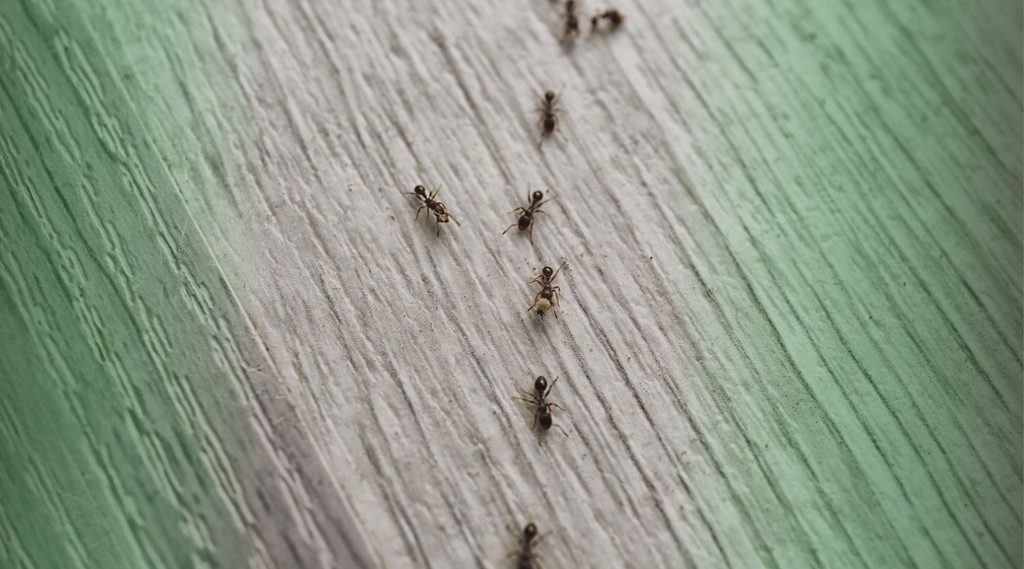
Finding small black bugs in house areas is a common problem for homeowners across South Florida. These tiny visitors often appear suddenly, crawling along kitchen counters or gathering near windowsills.
The tropical climate and constant heat and humidity create an ideal environment for many insects. Some bugs come inside seeking water during dry months, while others escape heavy rains.
Finding small black bugs in your house can be alarming, especially if you're unsure about what they are or how to get rid of them.
Whether dealing with sugar ants, pantry pests, or more serious invaders like bed bugs, it's important to note that several species of small black bugs may be present in homes, and proper identification is key to effective control.
This guide highlights the most common small black bugs in house settings throughout the Sunshine State, their habits, hiding places, and how to prevent infestations. Many tiny black bugs are more annoying than harmful, but some can cause real trouble for you or your plants.
Common Types of Small Black Bugs in House Areas
The most frequent small black bugs indoors are ants, beetles, and weevils. These little black bugs can include a variety of small pests found in homes, each with different habits and risks.
In South Florida, ants are the top visitors. Tiny black spots that jump when disturbed are likely springtails, moisture-loving insects found in bathrooms or near sliding glass doors after rain. They don’t bite or cause damage, but can appear in large numbers.
Carpet beetles are small, round, and can range in color from dark brown to shiny black, which helps with identification. While adult beetles don’t eat food, their larvae feed on natural fibers, damaging blankets, rugs, and clothes. Black carpet beetles may also be found near dead insects or organic debris, especially along baseboards.
Pantry pests like weevils and flour beetles infest dry goods, often entering homes via grocery bags. Weevils are often found in kitchens and pantries, infesting stored grains and dry food.
Drugstore beetles and spider beetles are additional pantry pests; drugstore beetles are small, dark, and resemble sesame seeds, damaging stored foods, books, and even wood, while spider beetles are tiny, round, and can be mistaken for spiders due to their shape and color.
Booklice are tiny bugs (about 1mm) often found in damp areas or near stored food and books. Stored food products are at risk and should be inspected regularly. Eliminating food sources includes storing dry goods in airtight containers and cleaning up crumbs and spills immediately.
Areas Where Bugs Hide
Tiny black bugs can be masters of disguise, often hiding in places you might overlook during your regular cleaning routine.
Carpet beetles and their larvae, for example, are notorious for burrowing into dark corners behind window screens, deep within potted plants, or nestled near stored food and pet food. These pests thrive in areas rich in organic matter, such as accumulations of pet hair, lint, or even decaying organic matter in basements and attics.
Fungus gnats are commonly found hovering around moist environments, especially in the soil of overwatered potted plants. Regularly inspecting these hidden spots is crucial for early detection and prevention of infestations.
If you suspect an infestation or find evidence of black bugs in these areas, professional pest control services can provide a thorough inspection and targeted treatment to eliminate pests and protect your home.
Identifying Ants in Your Home
Ants are the most common small black bugs found indoors. Florida hosts many species, but little black ants and ghost ants are prevalent.
Some species of ants will burrow into wood or cracks to lay eggs and establish their colonies, which helps their populations grow. Ants often nest in walls, cracks, and other small spaces, and are drawn to sugary substances.
Little Black Ants and Ghost Ants
Little black ants are tiny, dark, and travel in straight lines, attracted to high-protein foods and grease. Ghost ants have pale bodies with dark heads, moving quickly in zig-zag patterns, often mistaken for tiny black dots on dark surfaces.
Signs of a Colony
Seeing multiple ants usually indicates a colony nearby. Ants use scent trails to guide others to food sources, which can be broken by cleaning with soap and water, but the colony remains. Colonies grow fast in South Florida’s heat, nesting in wall voids or behind outlets.
Pantry Pests and Kitchen Invaders
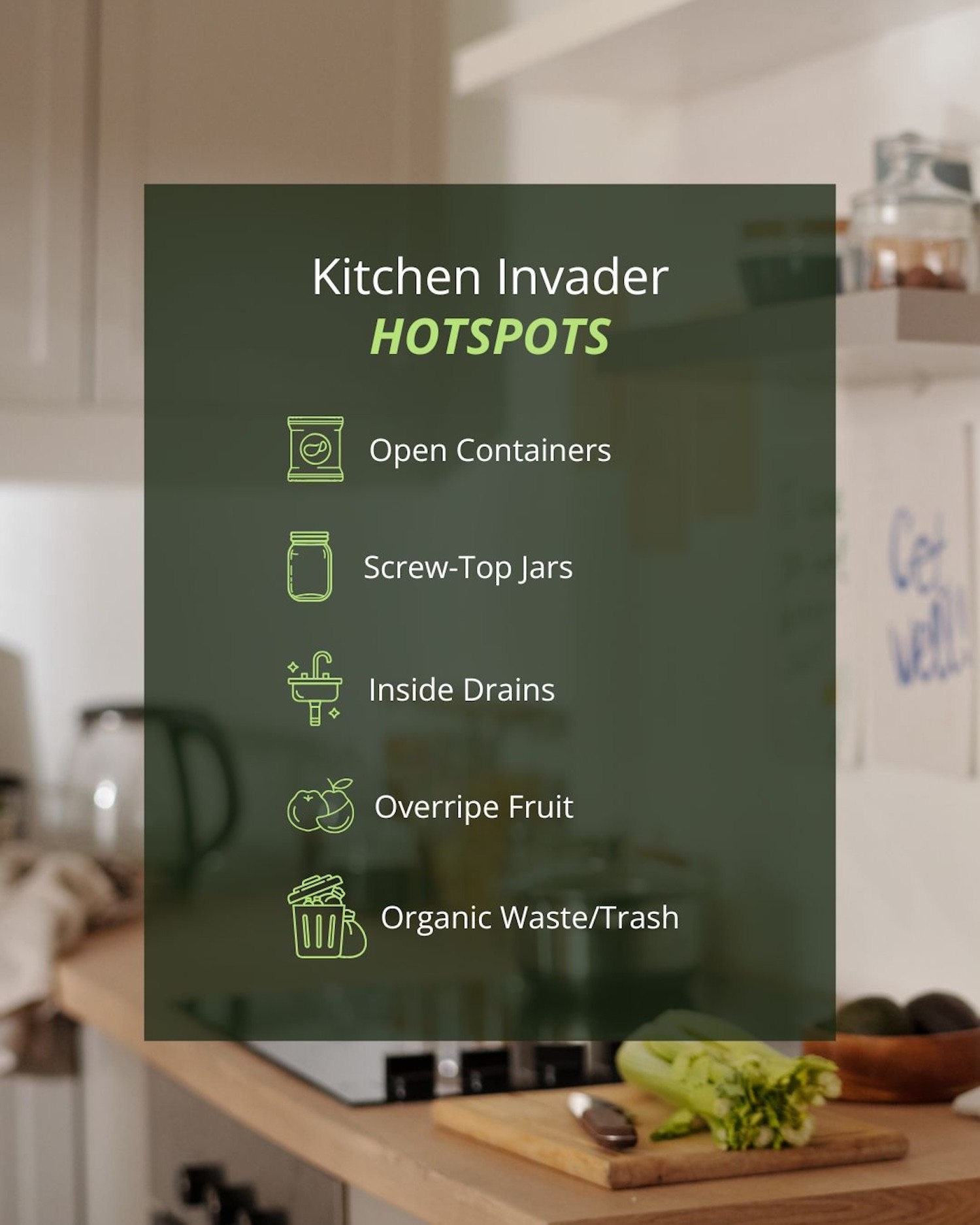
Kitchens are prime targets for small black bugs in pantries. Many come from grocery stores, with eggs hidden in products like flour that hatch and spread.
Rice Weevils and Grain Beetles
Rice weevils are small, dark beetles with long snouts that are able to enter screw-top jars. Grain beetles are flatter and move quickly, contaminating food with their waste. Using airtight containers helps prevent infestations.
Managing Pantry Infestations
Dispose of open packages, vacuum shelves to remove crumbs and eggs, and keep pantry areas clean and dry to deter pests.
Moisture-Loving Pests in Bathrooms and Laundry Rooms
Florida’s humidity attracts moisture-loving bugs indoors. Organic waste and overripe fruit can attract pests like fruit flies and gnats, making kitchens and living spaces more susceptible to infestations.
Drain Flies and Fungus Gnats
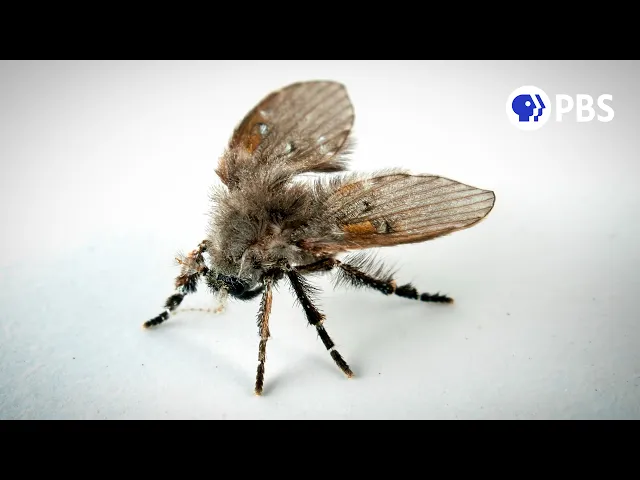
Drain flies resemble tiny fuzzy moths and breed in organic debris inside drains. Fungus gnats hover around indoor plants, living in the moist soil of potted palms or ferns. Overwatering invites these pests.
Springtails and Silverfish
Springtails are tiny, jump when disturbed, and thrive in damp areas. Silverfish, silvery gray and larger, feed on paper and glue, and are often found in humid garages with old magazines or cardboard.
Differences Between Pests: A Quick Comparison
Pest Name | Location | Food Source | Feature |
|---|---|---|---|
Little Black Ant | Kitchen/Floors | Grease, sweets, meat | Travels in straight lines |
Carpet Beetle | Rugs/Closets | Natural fibers | Round shape, slow-moving |
Rice Weevil | Pantry/Grains | Rice, flour, pasta | Long snout on the head |
Springtail | Bathrooms | Mold, fungi | Jumps when disturbed |
Bed Bug | Furniture/Beds | Blood | Flat, oval, reddish brown |
Dealing with Bed Bugs and Biting Insects
Some small black bugs seek meals from humans or pets. Bed bugs are a major concern in South Florida due to tourism and travel.
Spotting Bed Bugs Early
Adult bed bugs are about the size of an apple seed, reddish brown, but dark after feeding. They hide in mattress seams, behind headboards, and curtain folds. Nighttime activity and tiny black spots (droppings) on sheets signal infestation, requiring professional pest control services.
Fleas and Ticks
Pets may bring fleas and ticks indoors. Fleas are tiny, flat, and jump high; ticks wait for hosts. Florida’s warm climate allows year-round presence. Preventative pet treatments and yard care help reduce infestations.
The Role of Your Home’s Exterior
Many indoor bugs originate outside. Landscaping can either protect or invite pests by influencing moisture and shelter availability. Overgrown plants and mulch close to the foundation create ideal habitats for small black bugs like ants and carpet beetles.
Keeping vegetation trimmed and mulch away from the house helps reduce their entry into your home. Cleaning up spilled food around outdoor eating areas and patios can help reduce pest attractants and discourage bugs from gathering near entry points.
Additionally, cleaning gutters regularly is important to prevent tiny black bugs from establishing colonies near your home's structure.
Mulch and Foundation Perimeter
Mulch retains moisture against foundations, creating pathways for ants and beetles. Maintain a gap between mulch and walls to reduce pest entry.
TAP Insulation as a Barrier
TAP Insulation, which stands for Thermal and Pest Insulation, is treated with borate minerals that create a safe and effective pest barrier in attics. This treatment helps control ants, beetles, termites, and other common household pests while being non-toxic to humans and pets, making it an excellent choice for long-term pest prevention in home insulation.
Seasonal Patterns of Bug Invasions
The presence of tiny black bugs in your home often follows distinct seasonal patterns. During the fall and winter, cluster flies and moth flies are more likely to invade, seeking warmth and shelter indoors. In contrast, the warmer spring and summer months bring an uptick in fruit flies and fungus gnats, especially in homes with ripe fruit or moist soil in potted plants.
Black carpet beetles are persistent year-round but tend to be more active as temperatures rise. By understanding these seasonal trends, you can take timely preventive measures. Staying proactive throughout the year helps keep tiny black bugs and other common household pests at bay.
Related Questions
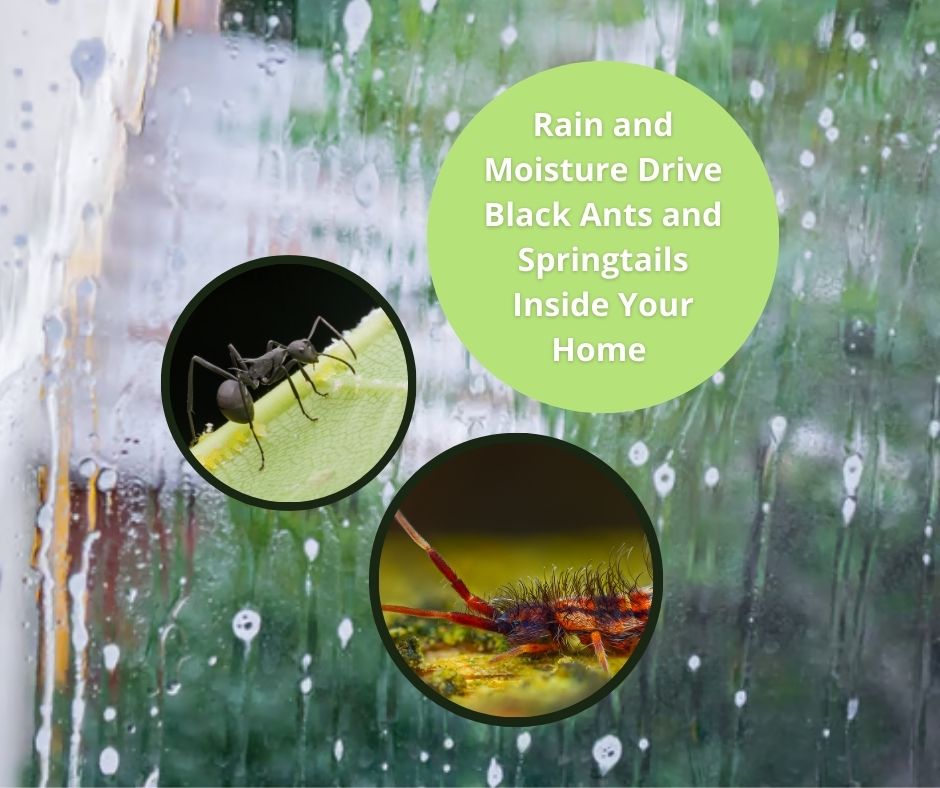
Why Do Small Black Bugs Appear After Rain?
Rain can drive insects like ants and springtails indoors as their outdoor habitats become flooded.
Can Small Black Bugs Damage Household Items?
Some, such as carpet beetles, may damage fabrics and natural fibers, while others are mostly harmless.
Are Small Black Bugs a Risk to Pets?
Most pose little risk, but pests like fleas and ticks can affect pet health.
Are Over-the-Counter Bug Bombs Effective for Bug Control?
Bug bombs often provide limited results and may exacerbate infestations; professional pest control methods are generally more reliable.
Where Do Small Black Bugs Commonly Hide Indoors?
They often congregate near food sources, moisture-prone areas like bathrooms and kitchens, and in dark, undisturbed spaces such as closets and behind furniture.
Natural Ways to Eliminate Bugs
If you prefer eco-friendly solutions, there are several natural ways to tackle tiny black bugs in your home. Diatomaceous earth is a popular option; this fine powder can be sprinkled along baseboards, cracks, and other bug-prone areas to dehydrate and kill crawling black bugs without harmful chemicals.
Sticky traps are another effective tool for capturing fungus gnats, fruit flies, and other tiny black insects, especially near windows, plants, or kitchen counters.
Essential oils like peppermint and lemongrass can be diluted and sprayed around entry points to repel bugs naturally.
Keeping your home clean and free of excess moisture is also key. Regular vacuuming, dusting, and promptly addressing spills or leaks will help eliminate hiding spots and food sources for pests. These natural methods can be a great first line of defense against small black bugs.
Chemical Treatment Options
For more persistent infestations, chemical treatment options may be necessary to eliminate tiny black bugs. Insecticides, available in sprays or powders, can target a wide range of black bugs when applied directly to infested areas.
Bait stations are another option, attracting and killing bugs over time, though they may be less effective for large or widespread infestations.
When dealing with recurring or severe pest problems, it’s best to consult professional pest control services. Experienced technicians can assess your situation, recommend the most appropriate chemical treatments, and ensure that applications are both safe and effective for your home environment.
When to Call a Professional Pest Control Company
If cleaning and DIY solutions fail or infestations recur, professional intervention is necessary. Radix Pest Solutions offers integrated pest management tailored to South Florida’s environment, addressing breeding sites and potential entry points with targeted treatments.
Bugs return shortly after cleaning
Bugs appear on beds or upholstered furniture
Swarming insects with wings are near windows or doors
Damage to clothing, rugs, or food is evident
Infestation spreads to multiple rooms
Preventing Future Infestations
Preventing future infestations requires ongoing vigilance and maintenance. Homeowners can reduce the risk of recurring small black bug infestations by following these key strategies:
Identify and Eliminate Sources
Quickly identify infestation sources and discard infested food.
Regularly inspect hidden areas for signs of bugs.
Seal Entry Points
Repair and seal cracks in walls, foundation, windows, doors, and maintain window screens and weather stripping.
Maintain Cleanliness
Vacuum carpets, rugs, and upholstery regularly; dispose of vacuum bags promptly.
Store all food, including pet food, in airtight containers.
Clean up spilled food and dirty dishes immediately.
Control Moisture
Fix leaks and avoid standing water inside and outside.
Use dehumidifiers and avoid overwatering potted plants.
Clean gutters and keep drain pipes clear.
Use Preventive Treatments
Apply diatomaceous earth along baseboards and cracks.
Use sticky traps and bait stations to monitor pests.
Spray essential oils like peppermint as natural deterrents.
Maintain Exterior and Landscaping
Keep landscaping trimmed and mulch away from foundation walls.
Stay Vigilant and Seek Professional Help
Monitor for infestation signs and excess moisture.
Consult professional pest control services if infestations persist or worsen.
Conclusion
Small black bugs in house areas are common, but manageable, in South Florida’s tropical climate. Most seek food, water, or shelter. Early identification, sealing potential entry points, and maintaining cleanliness help keep homes bug-free.
Keep kitchens dry, store food in airtight containers, and maintain yards to deter pests. If infestations persist, Radix provides effective, long-term solutions
Finding small black bugs in house areas is a common problem for homeowners across South Florida. These tiny visitors often appear suddenly, crawling along kitchen counters or gathering near windowsills.
The tropical climate and constant heat and humidity create an ideal environment for many insects. Some bugs come inside seeking water during dry months, while others escape heavy rains.
Finding small black bugs in your house can be alarming, especially if you're unsure about what they are or how to get rid of them.
Whether dealing with sugar ants, pantry pests, or more serious invaders like bed bugs, it's important to note that several species of small black bugs may be present in homes, and proper identification is key to effective control.
This guide highlights the most common small black bugs in house settings throughout the Sunshine State, their habits, hiding places, and how to prevent infestations. Many tiny black bugs are more annoying than harmful, but some can cause real trouble for you or your plants.
Common Types of Small Black Bugs in House Areas
The most frequent small black bugs indoors are ants, beetles, and weevils. These little black bugs can include a variety of small pests found in homes, each with different habits and risks.
In South Florida, ants are the top visitors. Tiny black spots that jump when disturbed are likely springtails, moisture-loving insects found in bathrooms or near sliding glass doors after rain. They don’t bite or cause damage, but can appear in large numbers.
Carpet beetles are small, round, and can range in color from dark brown to shiny black, which helps with identification. While adult beetles don’t eat food, their larvae feed on natural fibers, damaging blankets, rugs, and clothes. Black carpet beetles may also be found near dead insects or organic debris, especially along baseboards.
Pantry pests like weevils and flour beetles infest dry goods, often entering homes via grocery bags. Weevils are often found in kitchens and pantries, infesting stored grains and dry food.
Drugstore beetles and spider beetles are additional pantry pests; drugstore beetles are small, dark, and resemble sesame seeds, damaging stored foods, books, and even wood, while spider beetles are tiny, round, and can be mistaken for spiders due to their shape and color.
Booklice are tiny bugs (about 1mm) often found in damp areas or near stored food and books. Stored food products are at risk and should be inspected regularly. Eliminating food sources includes storing dry goods in airtight containers and cleaning up crumbs and spills immediately.
Areas Where Bugs Hide
Tiny black bugs can be masters of disguise, often hiding in places you might overlook during your regular cleaning routine.
Carpet beetles and their larvae, for example, are notorious for burrowing into dark corners behind window screens, deep within potted plants, or nestled near stored food and pet food. These pests thrive in areas rich in organic matter, such as accumulations of pet hair, lint, or even decaying organic matter in basements and attics.
Fungus gnats are commonly found hovering around moist environments, especially in the soil of overwatered potted plants. Regularly inspecting these hidden spots is crucial for early detection and prevention of infestations.
If you suspect an infestation or find evidence of black bugs in these areas, professional pest control services can provide a thorough inspection and targeted treatment to eliminate pests and protect your home.
Identifying Ants in Your Home
Ants are the most common small black bugs found indoors. Florida hosts many species, but little black ants and ghost ants are prevalent.
Some species of ants will burrow into wood or cracks to lay eggs and establish their colonies, which helps their populations grow. Ants often nest in walls, cracks, and other small spaces, and are drawn to sugary substances.
Little Black Ants and Ghost Ants
Little black ants are tiny, dark, and travel in straight lines, attracted to high-protein foods and grease. Ghost ants have pale bodies with dark heads, moving quickly in zig-zag patterns, often mistaken for tiny black dots on dark surfaces.
Signs of a Colony
Seeing multiple ants usually indicates a colony nearby. Ants use scent trails to guide others to food sources, which can be broken by cleaning with soap and water, but the colony remains. Colonies grow fast in South Florida’s heat, nesting in wall voids or behind outlets.
Pantry Pests and Kitchen Invaders
Kitchens are prime targets for small black bugs in pantries. Many come from grocery stores, with eggs hidden in products like flour that hatch and spread.
Rice Weevils and Grain Beetles
Rice weevils are small, dark beetles with long snouts that are able to enter screw-top jars. Grain beetles are flatter and move quickly, contaminating food with their waste. Using airtight containers helps prevent infestations.
Managing Pantry Infestations
Dispose of open packages, vacuum shelves to remove crumbs and eggs, and keep pantry areas clean and dry to deter pests.
Moisture-Loving Pests in Bathrooms and Laundry Rooms
Florida’s humidity attracts moisture-loving bugs indoors. Organic waste and overripe fruit can attract pests like fruit flies and gnats, making kitchens and living spaces more susceptible to infestations.
Drain Flies and Fungus Gnats
Drain flies resemble tiny fuzzy moths and breed in organic debris inside drains. Fungus gnats hover around indoor plants, living in the moist soil of potted palms or ferns. Overwatering invites these pests.
Springtails and Silverfish
Springtails are tiny, jump when disturbed, and thrive in damp areas. Silverfish, silvery gray and larger, feed on paper and glue, and are often found in humid garages with old magazines or cardboard.
Differences Between Pests: A Quick Comparison
Pest Name | Location | Food Source | Feature |
|---|---|---|---|
Little Black Ant | Kitchen/Floors | Grease, sweets, meat | Travels in straight lines |
Carpet Beetle | Rugs/Closets | Natural fibers | Round shape, slow-moving |
Rice Weevil | Pantry/Grains | Rice, flour, pasta | Long snout on the head |
Springtail | Bathrooms | Mold, fungi | Jumps when disturbed |
Bed Bug | Furniture/Beds | Blood | Flat, oval, reddish brown |
Dealing with Bed Bugs and Biting Insects
Some small black bugs seek meals from humans or pets. Bed bugs are a major concern in South Florida due to tourism and travel.
Spotting Bed Bugs Early
Adult bed bugs are about the size of an apple seed, reddish brown, but dark after feeding. They hide in mattress seams, behind headboards, and curtain folds. Nighttime activity and tiny black spots (droppings) on sheets signal infestation, requiring professional pest control services.
Fleas and Ticks
Pets may bring fleas and ticks indoors. Fleas are tiny, flat, and jump high; ticks wait for hosts. Florida’s warm climate allows year-round presence. Preventative pet treatments and yard care help reduce infestations.
The Role of Your Home’s Exterior
Many indoor bugs originate outside. Landscaping can either protect or invite pests by influencing moisture and shelter availability. Overgrown plants and mulch close to the foundation create ideal habitats for small black bugs like ants and carpet beetles.
Keeping vegetation trimmed and mulch away from the house helps reduce their entry into your home. Cleaning up spilled food around outdoor eating areas and patios can help reduce pest attractants and discourage bugs from gathering near entry points.
Additionally, cleaning gutters regularly is important to prevent tiny black bugs from establishing colonies near your home's structure.
Mulch and Foundation Perimeter
Mulch retains moisture against foundations, creating pathways for ants and beetles. Maintain a gap between mulch and walls to reduce pest entry.
TAP Insulation as a Barrier
TAP Insulation, which stands for Thermal and Pest Insulation, is treated with borate minerals that create a safe and effective pest barrier in attics. This treatment helps control ants, beetles, termites, and other common household pests while being non-toxic to humans and pets, making it an excellent choice for long-term pest prevention in home insulation.
Seasonal Patterns of Bug Invasions
The presence of tiny black bugs in your home often follows distinct seasonal patterns. During the fall and winter, cluster flies and moth flies are more likely to invade, seeking warmth and shelter indoors. In contrast, the warmer spring and summer months bring an uptick in fruit flies and fungus gnats, especially in homes with ripe fruit or moist soil in potted plants.
Black carpet beetles are persistent year-round but tend to be more active as temperatures rise. By understanding these seasonal trends, you can take timely preventive measures. Staying proactive throughout the year helps keep tiny black bugs and other common household pests at bay.
Related Questions
Why Do Small Black Bugs Appear After Rain?
Rain can drive insects like ants and springtails indoors as their outdoor habitats become flooded.
Can Small Black Bugs Damage Household Items?
Some, such as carpet beetles, may damage fabrics and natural fibers, while others are mostly harmless.
Are Small Black Bugs a Risk to Pets?
Most pose little risk, but pests like fleas and ticks can affect pet health.
Are Over-the-Counter Bug Bombs Effective for Bug Control?
Bug bombs often provide limited results and may exacerbate infestations; professional pest control methods are generally more reliable.
Where Do Small Black Bugs Commonly Hide Indoors?
They often congregate near food sources, moisture-prone areas like bathrooms and kitchens, and in dark, undisturbed spaces such as closets and behind furniture.
Natural Ways to Eliminate Bugs
If you prefer eco-friendly solutions, there are several natural ways to tackle tiny black bugs in your home. Diatomaceous earth is a popular option; this fine powder can be sprinkled along baseboards, cracks, and other bug-prone areas to dehydrate and kill crawling black bugs without harmful chemicals.
Sticky traps are another effective tool for capturing fungus gnats, fruit flies, and other tiny black insects, especially near windows, plants, or kitchen counters.
Essential oils like peppermint and lemongrass can be diluted and sprayed around entry points to repel bugs naturally.
Keeping your home clean and free of excess moisture is also key. Regular vacuuming, dusting, and promptly addressing spills or leaks will help eliminate hiding spots and food sources for pests. These natural methods can be a great first line of defense against small black bugs.
Chemical Treatment Options
For more persistent infestations, chemical treatment options may be necessary to eliminate tiny black bugs. Insecticides, available in sprays or powders, can target a wide range of black bugs when applied directly to infested areas.
Bait stations are another option, attracting and killing bugs over time, though they may be less effective for large or widespread infestations.
When dealing with recurring or severe pest problems, it’s best to consult professional pest control services. Experienced technicians can assess your situation, recommend the most appropriate chemical treatments, and ensure that applications are both safe and effective for your home environment.
When to Call a Professional Pest Control Company
If cleaning and DIY solutions fail or infestations recur, professional intervention is necessary. Radix Pest Solutions offers integrated pest management tailored to South Florida’s environment, addressing breeding sites and potential entry points with targeted treatments.
Bugs return shortly after cleaning
Bugs appear on beds or upholstered furniture
Swarming insects with wings are near windows or doors
Damage to clothing, rugs, or food is evident
Infestation spreads to multiple rooms
Preventing Future Infestations
Preventing future infestations requires ongoing vigilance and maintenance. Homeowners can reduce the risk of recurring small black bug infestations by following these key strategies:
Identify and Eliminate Sources
Quickly identify infestation sources and discard infested food.
Regularly inspect hidden areas for signs of bugs.
Seal Entry Points
Repair and seal cracks in walls, foundation, windows, doors, and maintain window screens and weather stripping.
Maintain Cleanliness
Vacuum carpets, rugs, and upholstery regularly; dispose of vacuum bags promptly.
Store all food, including pet food, in airtight containers.
Clean up spilled food and dirty dishes immediately.
Control Moisture
Fix leaks and avoid standing water inside and outside.
Use dehumidifiers and avoid overwatering potted plants.
Clean gutters and keep drain pipes clear.
Use Preventive Treatments
Apply diatomaceous earth along baseboards and cracks.
Use sticky traps and bait stations to monitor pests.
Spray essential oils like peppermint as natural deterrents.
Maintain Exterior and Landscaping
Keep landscaping trimmed and mulch away from foundation walls.
Stay Vigilant and Seek Professional Help
Monitor for infestation signs and excess moisture.
Consult professional pest control services if infestations persist or worsen.
Conclusion
Small black bugs in house areas are common, but manageable, in South Florida’s tropical climate. Most seek food, water, or shelter. Early identification, sealing potential entry points, and maintaining cleanliness help keep homes bug-free.
Keep kitchens dry, store food in airtight containers, and maintain yards to deter pests. If infestations persist, Radix provides effective, long-term solutions
Discover Our Latest Blog Post
Stay informed with the latest tips, insights, and updates from Radix Pest Solutions.


We offer a range of professional pest control services to residential and commercial clients. Our experienced team is dedicated to keeping your property pest-free with minimal disruption to your daily life.
Phone:
E-mail:
Locations:
1940 NW 1st Ave
Pompano Beach, FL 33060
2131 Hollywood Blvd, Ste 306
Hollywood, FL 33020
2829 SW 67th Ave
Miami, FL 33155
Hours
Monday - Saturday
07:00 am – 05:00 pm
Sun Closed
*Closed All Major Holidays*
Our Services
We offer a range of professional pest control services to residential and commercial clients. Our experienced team is dedicated to keeping your property pest-free with minimal disruption to your daily life.
Phone:
E-mail:
Locations:
1940 NW 1st Ave
Pompano Beach, FL 33060
2131 Hollywood Blvd, Ste 306
Hollywood, FL 33020
2829 SW 67th Ave
Miami, FL 33155
Hours
Monday - Saturday
07:00 am – 05:00 pm
Sun Closed
*Closed All Major Holidays*
Our Services
We offer a range of professional pest control services to residential and commercial clients. Our experienced team is dedicated to keeping your property pest-free with minimal disruption to your daily life.
Phone:
E-mail:
Locations:
1940 NW 1st Ave
Pompano Beach, FL 33060
2131 Hollywood Blvd, Ste 306
Hollywood, FL 33020
2829 SW 67th Ave
Miami, FL 33155
Hours
Monday - Saturday
07:00 am – 05:00 pm
Sun Closed
*Closed All Major Holidays*
Our Services
We offer a range of professional pest control services to residential and commercial clients. Our experienced team is dedicated to keeping your property pest-free with minimal disruption to your daily life.
Phone:
E-mail:
Locations:
1940 NW 1st Ave
Pompano Beach, FL 33060
2131 Hollywood Blvd, Ste 306
Hollywood, FL 33020
2829 SW 67th Ave
Miami, FL 33155
Hours
Monday - Saturday
07:00 am – 05:00 pm
Sun Closed
*Closed All Major Holidays*
Our Services