
$25 OFF SERVICE FOR NEW CUSTOMERS!
(954) 405-9043
Your Guide to Identifying Common Florida Bugs
March 27, 2026
Living in South Florida means sharing our beautiful landscape with a wide variety of insects. From the sunny beaches of Miami to the suburban neighborhoods of Broward and Palm Beach, pests are a part of life here.
Knowing which bugs are harmless and which ones pose a threat to your home or health is very important. This guide will help you identify the most common bugs in Florida, focusing on the most prevalent pests, and understand how to manage them effectively.
Florida has a tropical climate that pests love. Some are just minor nuisances, but others can cause serious structural damage or spread diseases. Termites are responsible for $5 billion in damages each year in the United States. Mosquitoes are prevalent in Florida and can transmit diseases like Zika, dengue, and West Nile virus.
Radix Pest Solutions specializes in helping residents identify and manage Florida pests, offering expert advice and solutions tailored to our unique environment.
In this guide, we’ll walk you through the most common Florida bugs, their habits, and practical tips for prevention so you can enjoy your home without unwanted guests.
The Famous Florida Palmetto Bug
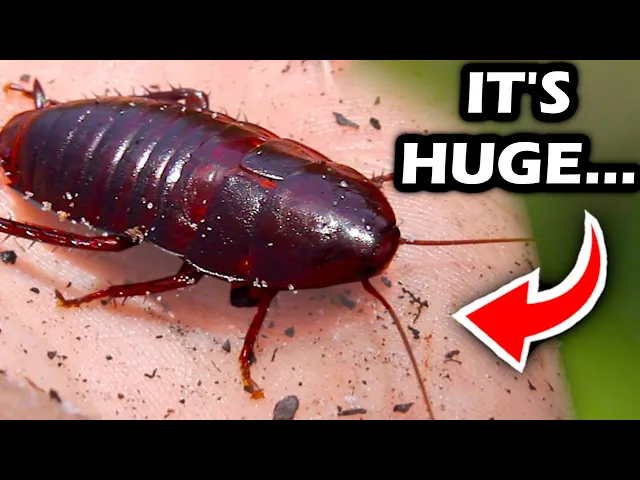
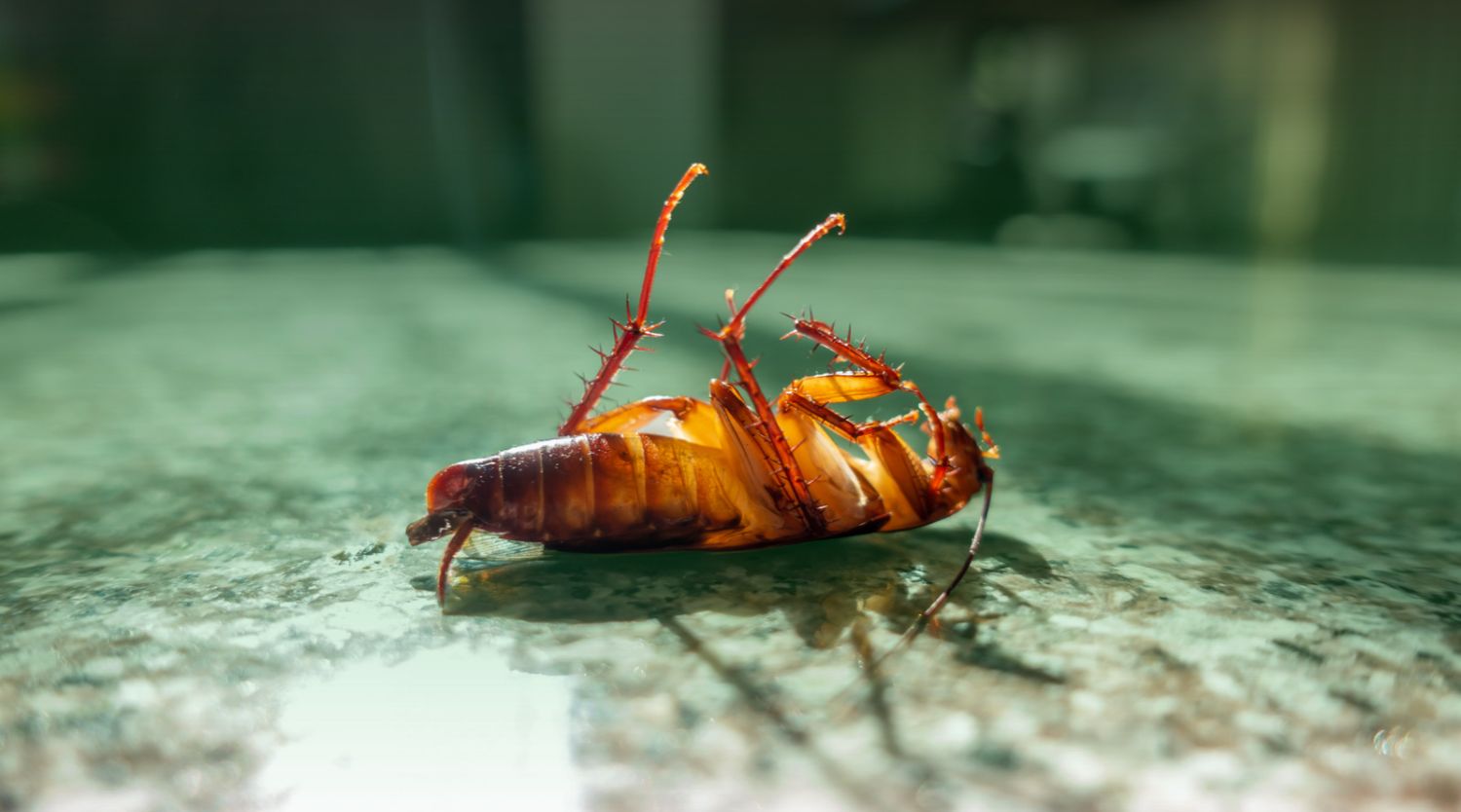
One of the most common Florida bugs you will run into is the American Cockroach, which locals almost always call the Palmetto bug. Palmetto bugs, also known as American cockroaches, thrive in Florida's hot, humid climate and can grow up to 1.5-2 inches long. These are large, reddish-brown insects that can grow up to three inches long.
They are famous for their ability to fly, which often gives homeowners a real scare. You will usually find them in damp, dark places. In South Florida homes, they love laundry rooms, under sinks, and in crawlspaces.
Florida has a variety of cockroaches, including the American cockroach and the German cockroach, which prefer warm and humid environments. While they do not bite often, they carry bacteria and can trigger allergies or asthma. If you see one, there are likely more hiding nearby in the mulch or trees around your house.
Keeping your kitchen clean and managing garbage can help prevent cockroaches from entering your home. Regular cleaning behind large appliances and using airtight containers for food storage can help in pest prevention.
Subterranean and Drywood Termites
Florida termites are a major concern for homeowners, with different species such as subterranean, drywood, and Formosan termites posing unique threats. Termites are perhaps the most dangerous Florida bugs because of the hidden damage they cause.
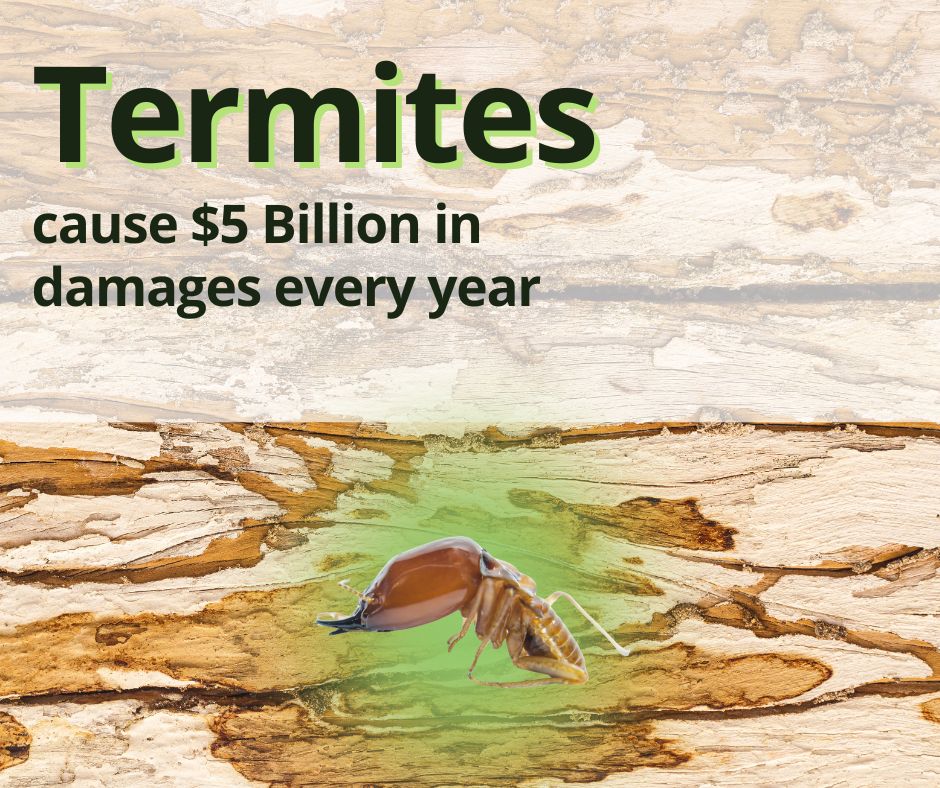
Termites are one of the most dangerous household pests in Florida, causing billions of dollars in property damage each year. Subterranean termites live in the soil and build mud tubes to reach the wood in your home. They work quickly and can ruin a structure before you even know they are there.
Drywood termites do not need contact with the soil. They live inside the wood they eat. You might notice tiny piles of fecal pellets that look like sand or sawdust near your baseboards or window sills. This is a major sign of an infestation.
Regular inspections by professionals are recommended to catch early signs of termite infestation in homes. Because our homes in places like Boca Raton often have beautiful wood features, these pests are a constant threat.
If you suspect a termite infestation, professional pest control is essential to eliminate the problem and protect your property. Using yellow bug lights at night can reduce the attraction of termite swarmers.
Additionally, firewood and lumber should be stored at least 20 feet away from homes and elevated off the ground to deter termites.
Small but Mighty: Ants
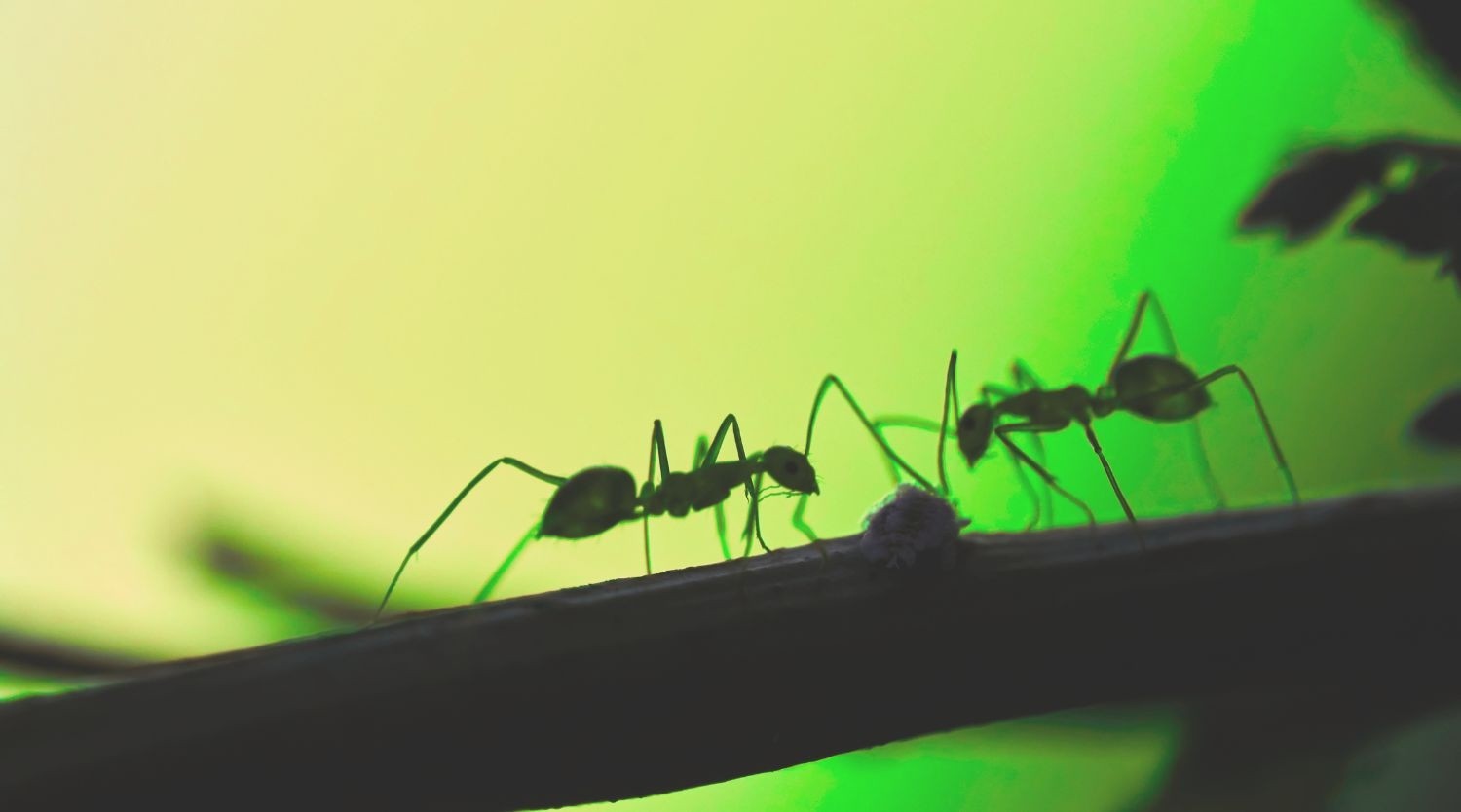
Ants are everywhere in Florida. You might see tiny Ghost ants, also known as sugar ants, in your kitchen. They are almost translucent and move very fast. They are mostly looking for sweets or water. While they do not sting, they can be very frustrating to get rid of because their colonies are so large.
Florida is home to a variety of ant species, including Carpenter, Acrobat, Red imported fire, Ghost, and Argentine ants. Identifying the specific ant species is important for effective pest management.
Fire ants are a different story. These red ants build large mounds in South Florida yards. If you step on a mound, they will swarm and deliver painful, itchy stings. Identifying these early in your yard can prevent a painful afternoon for your kids or pets. Proper food storage and eliminating clutter can make your home less attractive to pests like ants and cockroaches.
Florida Bugs That Bite: Fleas and Ticks
Our pets are often the first to notice these Florida bugs. Fleas are tiny, jumping insects that thrive in our humid weather. They can quickly take over your carpets and furniture.
Ticks are also common, especially if you live near wooded areas or tall grass. Ticks can carry Lyme disease and other illnesses, so checking yourself and your pets after a walk is a good habit.
To help prevent insect bites during outdoor activities, use insect repellent and wear protective clothing. After hiking, perform a tick check and remove any ticks carefully using tweezers to reduce the risk of tick-borne diseases.
Some Florida bugs, such as horse flies and fire ants, can deliver painful bites, making protection especially important during outdoor activities.
Honorable Mention Pests
South Florida has some unique challenges.
Iguanas have become a major pest in many neighborhoods. They can ruin landscaping, leave droppings in pools, and even get into attics. While they are not bugs, they require specialized solutions to keep them away from your property.
Love bugs are seasonal insects in Florida, active during the late spring and late summer mating seasons. These small black insects with red thoraxes often appear in attached pairs and can be a nuisance near roads and light-colored surfaces. While harmless to humans, their acidic bodies can damage car paint if not cleaned promptly.
Bed bugs are another issue that requires professional help. These tiny, flat insects hide in mattresses and furniture. They feed on blood at night and leave itchy red welts. They are great hitchhikers and can enter your home after a vacation or even a trip to a local movie theater.
Beneficial Insects in Florida
Not all Florida insects are pests; Some are actually your garden’s best friends. Beneficial insects play a vital role in keeping the ecosystem balanced and healthy. For example, bees and butterflies are essential pollinators, helping flowers and crops flourish throughout the state.
Ladybugs and lacewings are natural predators, feeding on aphids and other harmful bugs, which means less need for chemical pest control. Even carpenter ants, often seen as a nuisance pest, contribute to the environment by breaking down dead wood and recycling nutrients back into the soil.
By encouraging beneficial insects in your yard through planting native flowers or reducing pesticide use, you can help control common pests naturally.
Supporting these helpful species not only protects your landscape but also reduces your reliance on harsh chemicals, leading to a healthier, more sustainable Florida ecosystem.
The Importance of TAP Insulation and IPM
Keeping Florida bugs out is not just about sprays. Integrated Pest Management, or IPM, focuses on long-term prevention. This involves sealing cracks. Be sure to use caulk and install door sweeps to prevent pests from entering homes. It also includes removing food sources and managing moisture.
To prevent silverfish, reduce humidity inside your home and keep areas free of clutter, as silverfish can be deterred by these measures. Using diatomaceous earth is a natural, pet-friendly way to get rid of silverfish in your home.
One of the best ways to protect your home is through TAP Insulation. This special insulation is treated with pest control properties and helps keep your home cool while killing bugs that try to crawl through your attic.
Common Florida Bug | Primary Location | Potential Risk |
|---|---|---|
Palmetto Bug | Drip pans, sinks, and mulch | Bacteria, Allergies |
Termites | Foundations, Walls, Attic | Structural Damage |
Ghost Ants | Kitchens, Bathrooms | Food Contamination |
Fire Ants | Yards, Driveways | Painful Stings |
Bed Bugs | Bedrooms, Couches | Itchy Bites |
Many organic options for pest control are effective and safe around food and pets, including products like Orange Guard.
Active Pests in Florida by Season
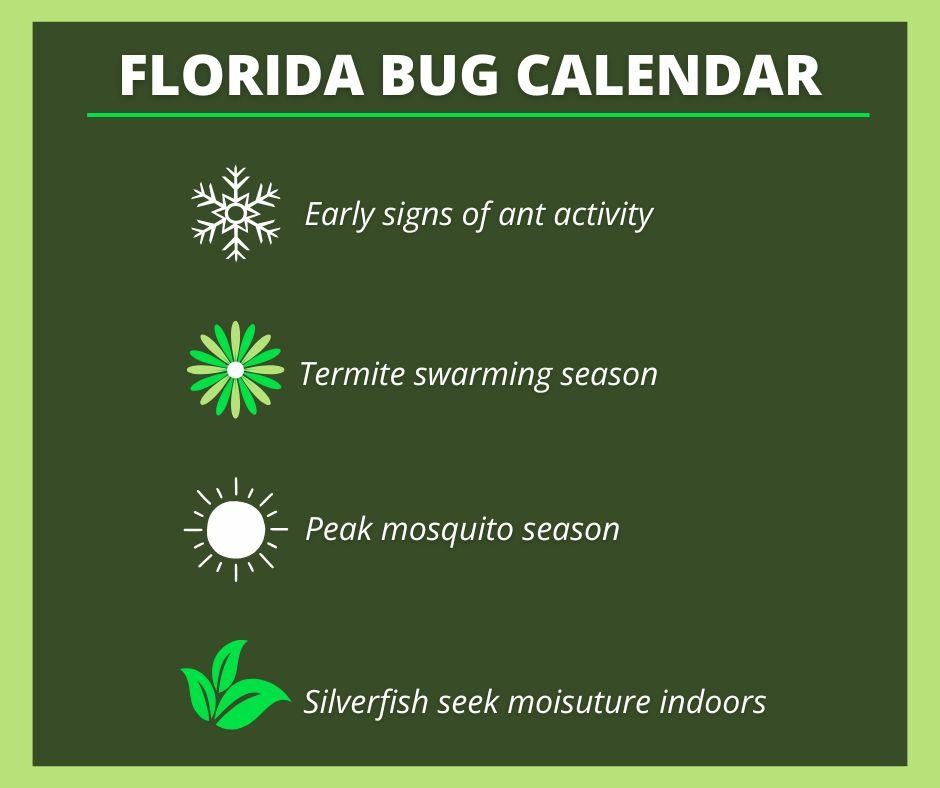
Understanding the seasonal flow of pest activity in Florida helps you stay one step ahead. While our climate keeps many bugs active year-round, here is when you can expect peak activity for specific threats.
Spring
Termites: This is the primary swarming season, especially for subterranean termites, as they seek new locations to colonize.
Love Bugs: The first of two major mating peaks occurs in late spring.
Ants: Fire ants become highly active, building visible mounds in yards as temperatures rise.
Mosquitoes: Activity begins to climb alongside the first spring rains and rising humidity.
Summer
Mosquitoes: Peak season. High heat and daily tropical rains create perfect breeding grounds in standing water.
Palmetto Bugs (American Cockroaches): Increased visibility as they seek relief from the extreme humidity and heat.
Biting Insects: Yellow flies and No-See-Ums are most aggressive during these daylight hours, particularly in coastal or wooded areas.
Ticks: Highly active in tall grasses and wooded trails; peak season for pet owners to stay vigilant.
Fall
Love Bugs: A second mating peak typically occurs in late summer/early fall.
Indoor Migrators: As the air eventually begins to cool, pests like Kissing Bugs and Silverfish start seeking the warmth and consistent moisture found inside your home.
Rodents & Spiders: While not always "bugs," these pests begin scouting for indoor winter nesting sites during the late fall months.
Winter
General Slowdown: Most insect activity decreases significantly due to cooler temperatures and lower humidity.
Ants & Roaches: While activity slows, many species remain active year-round in Florida’s mild climate, often congregating near heat sources like water heaters.
Termite Swarmers: On unseasonably warm winter days, you may still see occasional early "scout" swarmers.
This calendar reflects typical trends but can vary depending on local weather patterns and specific microclimates. Regular inspections and preventive measures throughout the year will help keep these pests under control, regardless of the season.
Related Questions to Explore
Are garages so prone to roach and rodent infestations? Garages often lack the tight climate control found in the rest of the home, offering easy access for roaches and rodents. Because many homeowners use this space to store paper products and seasonal items, it provides both the nesting material and the seclusion that pests prefer.
Can certain types of mulch lead to termite problems? It is a common misconception that termites only eat the mulch itself; in reality, they are attracted to the cool, damp soil the mulch creates. This moisture is vital for subterranean termite colonies. By keeping mulch beds several inches away from the home’s exterior walls, you reduce the likelihood of attracting a colony to the structure’s foundation.
Which flying pests are most active during the spring and fall in Florida? South Florida experiences unique "swarming" seasons, most notably the arrival of lovebugs in May and September. While these insects are harmless to humans, they are often a sign of the changing seasons and the humidity levels that also trigger termite swarms and increased mosquito activity.
When to Call a Professional
Identifying Florida bugs is a great first step, but many infestations require specialized tools. If you see signs of termites, like mud tubes or wood damage, you should call a pro immediately.
Professional pest control is crucial for eliminating a termite infestation, as experts use specialized treatment methods to address the threat effectively. Regular inspections by professionals are recommended to catch early signs of termite infestation in homes.
Bed bugs and heavy roach infestations are also very difficult to handle on your own. Professional teams have the experience to find the nests and use treatments that are safe for your family and pets.
Conclusion
Your home should be a place where you feel safe and comfortable. By learning to identify common Florida bugs, you can catch problems before they grow. Whether you are dealing with ants in the pantry or worrying about termites in the walls, staying proactive is the key.
Radix Pest Solutions is here to help you protect your South Florida home with expert care and local knowledge. Reach out to us today for a thorough inspection and a plan tailored to your needs.
Living in South Florida means sharing our beautiful landscape with a wide variety of insects. From the sunny beaches of Miami to the suburban neighborhoods of Broward and Palm Beach, pests are a part of life here.
Knowing which bugs are harmless and which ones pose a threat to your home or health is very important. This guide will help you identify the most common bugs in Florida, focusing on the most prevalent pests, and understand how to manage them effectively.
Florida has a tropical climate that pests love. Some are just minor nuisances, but others can cause serious structural damage or spread diseases. Termites are responsible for $5 billion in damages each year in the United States. Mosquitoes are prevalent in Florida and can transmit diseases like Zika, dengue, and West Nile virus.
Radix Pest Solutions specializes in helping residents identify and manage Florida pests, offering expert advice and solutions tailored to our unique environment.
In this guide, we’ll walk you through the most common Florida bugs, their habits, and practical tips for prevention so you can enjoy your home without unwanted guests.
The Famous Florida Palmetto Bug
One of the most common Florida bugs you will run into is the American Cockroach, which locals almost always call the Palmetto bug. Palmetto bugs, also known as American cockroaches, thrive in Florida's hot, humid climate and can grow up to 1.5-2 inches long. These are large, reddish-brown insects that can grow up to three inches long.
They are famous for their ability to fly, which often gives homeowners a real scare. You will usually find them in damp, dark places. In South Florida homes, they love laundry rooms, under sinks, and in crawlspaces.
Florida has a variety of cockroaches, including the American cockroach and the German cockroach, which prefer warm and humid environments. While they do not bite often, they carry bacteria and can trigger allergies or asthma. If you see one, there are likely more hiding nearby in the mulch or trees around your house.
Keeping your kitchen clean and managing garbage can help prevent cockroaches from entering your home. Regular cleaning behind large appliances and using airtight containers for food storage can help in pest prevention.
Subterranean and Drywood Termites
Florida termites are a major concern for homeowners, with different species such as subterranean, drywood, and Formosan termites posing unique threats. Termites are perhaps the most dangerous Florida bugs because of the hidden damage they cause.
Termites are one of the most dangerous household pests in Florida, causing billions of dollars in property damage each year. Subterranean termites live in the soil and build mud tubes to reach the wood in your home. They work quickly and can ruin a structure before you even know they are there.
Drywood termites do not need contact with the soil. They live inside the wood they eat. You might notice tiny piles of fecal pellets that look like sand or sawdust near your baseboards or window sills. This is a major sign of an infestation.
Regular inspections by professionals are recommended to catch early signs of termite infestation in homes. Because our homes in places like Boca Raton often have beautiful wood features, these pests are a constant threat.
If you suspect a termite infestation, professional pest control is essential to eliminate the problem and protect your property. Using yellow bug lights at night can reduce the attraction of termite swarmers.
Additionally, firewood and lumber should be stored at least 20 feet away from homes and elevated off the ground to deter termites.
Small but Mighty: Ants
Ants are everywhere in Florida. You might see tiny Ghost ants, also known as sugar ants, in your kitchen. They are almost translucent and move very fast. They are mostly looking for sweets or water. While they do not sting, they can be very frustrating to get rid of because their colonies are so large.
Florida is home to a variety of ant species, including Carpenter, Acrobat, Red imported fire, Ghost, and Argentine ants. Identifying the specific ant species is important for effective pest management.
Fire ants are a different story. These red ants build large mounds in South Florida yards. If you step on a mound, they will swarm and deliver painful, itchy stings. Identifying these early in your yard can prevent a painful afternoon for your kids or pets. Proper food storage and eliminating clutter can make your home less attractive to pests like ants and cockroaches.
Florida Bugs That Bite: Fleas and Ticks
Our pets are often the first to notice these Florida bugs. Fleas are tiny, jumping insects that thrive in our humid weather. They can quickly take over your carpets and furniture.
Ticks are also common, especially if you live near wooded areas or tall grass. Ticks can carry Lyme disease and other illnesses, so checking yourself and your pets after a walk is a good habit.
To help prevent insect bites during outdoor activities, use insect repellent and wear protective clothing. After hiking, perform a tick check and remove any ticks carefully using tweezers to reduce the risk of tick-borne diseases.
Some Florida bugs, such as horse flies and fire ants, can deliver painful bites, making protection especially important during outdoor activities.
Honorable Mention Pests
South Florida has some unique challenges.
Iguanas have become a major pest in many neighborhoods. They can ruin landscaping, leave droppings in pools, and even get into attics. While they are not bugs, they require specialized solutions to keep them away from your property.
Love bugs are seasonal insects in Florida, active during the late spring and late summer mating seasons. These small black insects with red thoraxes often appear in attached pairs and can be a nuisance near roads and light-colored surfaces. While harmless to humans, their acidic bodies can damage car paint if not cleaned promptly.
Bed bugs are another issue that requires professional help. These tiny, flat insects hide in mattresses and furniture. They feed on blood at night and leave itchy red welts. They are great hitchhikers and can enter your home after a vacation or even a trip to a local movie theater.
Beneficial Insects in Florida
Not all Florida insects are pests; Some are actually your garden’s best friends. Beneficial insects play a vital role in keeping the ecosystem balanced and healthy. For example, bees and butterflies are essential pollinators, helping flowers and crops flourish throughout the state.
Ladybugs and lacewings are natural predators, feeding on aphids and other harmful bugs, which means less need for chemical pest control. Even carpenter ants, often seen as a nuisance pest, contribute to the environment by breaking down dead wood and recycling nutrients back into the soil.
By encouraging beneficial insects in your yard through planting native flowers or reducing pesticide use, you can help control common pests naturally.
Supporting these helpful species not only protects your landscape but also reduces your reliance on harsh chemicals, leading to a healthier, more sustainable Florida ecosystem.
The Importance of TAP Insulation and IPM
Keeping Florida bugs out is not just about sprays. Integrated Pest Management, or IPM, focuses on long-term prevention. This involves sealing cracks. Be sure to use caulk and install door sweeps to prevent pests from entering homes. It also includes removing food sources and managing moisture.
To prevent silverfish, reduce humidity inside your home and keep areas free of clutter, as silverfish can be deterred by these measures. Using diatomaceous earth is a natural, pet-friendly way to get rid of silverfish in your home.
One of the best ways to protect your home is through TAP Insulation. This special insulation is treated with pest control properties and helps keep your home cool while killing bugs that try to crawl through your attic.
Common Florida Bug | Primary Location | Potential Risk |
|---|---|---|
Palmetto Bug | Drip pans, sinks, and mulch | Bacteria, Allergies |
Termites | Foundations, Walls, Attic | Structural Damage |
Ghost Ants | Kitchens, Bathrooms | Food Contamination |
Fire Ants | Yards, Driveways | Painful Stings |
Bed Bugs | Bedrooms, Couches | Itchy Bites |
Many organic options for pest control are effective and safe around food and pets, including products like Orange Guard.
Active Pests in Florida by Season
Understanding the seasonal flow of pest activity in Florida helps you stay one step ahead. While our climate keeps many bugs active year-round, here is when you can expect peak activity for specific threats.
Spring
Termites: This is the primary swarming season, especially for subterranean termites, as they seek new locations to colonize.
Love Bugs: The first of two major mating peaks occurs in late spring.
Ants: Fire ants become highly active, building visible mounds in yards as temperatures rise.
Mosquitoes: Activity begins to climb alongside the first spring rains and rising humidity.
Summer
Mosquitoes: Peak season. High heat and daily tropical rains create perfect breeding grounds in standing water.
Palmetto Bugs (American Cockroaches): Increased visibility as they seek relief from the extreme humidity and heat.
Biting Insects: Yellow flies and No-See-Ums are most aggressive during these daylight hours, particularly in coastal or wooded areas.
Ticks: Highly active in tall grasses and wooded trails; peak season for pet owners to stay vigilant.
Fall
Love Bugs: A second mating peak typically occurs in late summer/early fall.
Indoor Migrators: As the air eventually begins to cool, pests like Kissing Bugs and Silverfish start seeking the warmth and consistent moisture found inside your home.
Rodents & Spiders: While not always "bugs," these pests begin scouting for indoor winter nesting sites during the late fall months.
Winter
General Slowdown: Most insect activity decreases significantly due to cooler temperatures and lower humidity.
Ants & Roaches: While activity slows, many species remain active year-round in Florida’s mild climate, often congregating near heat sources like water heaters.
Termite Swarmers: On unseasonably warm winter days, you may still see occasional early "scout" swarmers.
This calendar reflects typical trends but can vary depending on local weather patterns and specific microclimates. Regular inspections and preventive measures throughout the year will help keep these pests under control, regardless of the season.
Related Questions to Explore
Are garages so prone to roach and rodent infestations? Garages often lack the tight climate control found in the rest of the home, offering easy access for roaches and rodents. Because many homeowners use this space to store paper products and seasonal items, it provides both the nesting material and the seclusion that pests prefer.
Can certain types of mulch lead to termite problems? It is a common misconception that termites only eat the mulch itself; in reality, they are attracted to the cool, damp soil the mulch creates. This moisture is vital for subterranean termite colonies. By keeping mulch beds several inches away from the home’s exterior walls, you reduce the likelihood of attracting a colony to the structure’s foundation.
Which flying pests are most active during the spring and fall in Florida? South Florida experiences unique "swarming" seasons, most notably the arrival of lovebugs in May and September. While these insects are harmless to humans, they are often a sign of the changing seasons and the humidity levels that also trigger termite swarms and increased mosquito activity.
When to Call a Professional
Identifying Florida bugs is a great first step, but many infestations require specialized tools. If you see signs of termites, like mud tubes or wood damage, you should call a pro immediately.
Professional pest control is crucial for eliminating a termite infestation, as experts use specialized treatment methods to address the threat effectively. Regular inspections by professionals are recommended to catch early signs of termite infestation in homes.
Bed bugs and heavy roach infestations are also very difficult to handle on your own. Professional teams have the experience to find the nests and use treatments that are safe for your family and pets.
Conclusion
Your home should be a place where you feel safe and comfortable. By learning to identify common Florida bugs, you can catch problems before they grow. Whether you are dealing with ants in the pantry or worrying about termites in the walls, staying proactive is the key.
Radix Pest Solutions is here to help you protect your South Florida home with expert care and local knowledge. Reach out to us today for a thorough inspection and a plan tailored to your needs.
Discover Our Latest Blog Post
Stay informed with the latest tips, insights, and updates from Radix Pest Solutions.



We offer a range of professional pest control services to residential and commercial clients. Our experienced team is dedicated to keeping your property pest-free with minimal disruption to your daily life.
Phone:
E-mail:
Locations:
1940 NW 1st Ave
Pompano Beach, FL 33060
2131 Hollywood Blvd, Ste 306
Hollywood, FL 33020
2829 SW 67th Ave
Miami, FL 33155
Hours
Monday - Saturday
07:00 am – 05:00 pm
Sun Closed
*Closed All Major Holidays*
Our Services
We offer a range of professional pest control services to residential and commercial clients. Our experienced team is dedicated to keeping your property pest-free with minimal disruption to your daily life.
Phone:
E-mail:
Locations:
1940 NW 1st Ave
Pompano Beach, FL 33060
2131 Hollywood Blvd, Ste 306
Hollywood, FL 33020
2829 SW 67th Ave
Miami, FL 33155
Hours
Monday - Saturday
07:00 am – 05:00 pm
Sun Closed
*Closed All Major Holidays*
Our Services
We offer a range of professional pest control services to residential and commercial clients. Our experienced team is dedicated to keeping your property pest-free with minimal disruption to your daily life.
Phone:
E-mail:
Locations:
1940 NW 1st Ave
Pompano Beach, FL 33060
2131 Hollywood Blvd, Ste 306
Hollywood, FL 33020
2829 SW 67th Ave
Miami, FL 33155
Hours
Monday - Saturday
07:00 am – 05:00 pm
Sun Closed
*Closed All Major Holidays*
Our Services
We offer a range of professional pest control services to residential and commercial clients. Our experienced team is dedicated to keeping your property pest-free with minimal disruption to your daily life.
Phone:
E-mail:
Locations:
1940 NW 1st Ave
Pompano Beach, FL 33060
2131 Hollywood Blvd, Ste 306
Hollywood, FL 33020
2829 SW 67th Ave
Miami, FL 33155
Hours
Monday - Saturday
07:00 am – 05:00 pm
Sun Closed
*Closed All Major Holidays*
Our Services