$25 OFF SERVICE FOR NEW CUSTOMERS!
(954) 405-9043

What Does It Mean for Pest Control to Be Eco-Friendly?
June 29, 2026

"Eco-friendly" appears on product packaging, pest control ads, and neighborhood signs, but the term has been used so broadly that its meaning has become blurry.
This guide explains what eco-friendly actually means, how it applies to everyday decisions, including pest control, and how to tell the difference between genuine environmental responsibility and greenwashing.
What Does Eco-Friendly Actually Mean?
Eco-friendly literally means "earth-friendly" or, more precisely, not harmful to the environment. The term describes products, practices, businesses, and behaviors that cause minimal negative impact on natural ecosystems, conserve resources, and protect environmental health.
In practical terms, being eco-friendly involves making deliberate choices that reduce:
Resource consumption (energy, water, raw materials)
Pollution (air, water, soil)
Waste generation
Harm to non-target species and ecosystems
The core principle behind eco-friendly living is that human activity should meet present needs without compromising the ability of future generations to meet theirs.
Sustainability vs Eco-Friendly
This is also the working definition of sustainability, though the two terms are not identical. "Eco-friendly" typically describes individual actions and products. "Sustainable" is a broader systems concept that considers long-term economic and social impact alongside environmental outcomes.
Being eco-friendly does not require dramatic lifestyle changes. It is often a shift in what choices you make among options already available to you, from how you control pests in your home to what light bulbs you use, to how you store and dispose of products.
Why Eco-Friendly Choices Matter
Every product manufactured, every chemical applied, and every resource consumed has downstream effects. Pesticides that eliminate a target insect can also harm beneficial insects, contaminate groundwater, and disrupt food chains.
Synthetic fertilizers applied to lawns run off into storm drains and damage aquatic ecosystems. Plastics that break down slowly persist in the environment for centuries. These effects compound at scale.
When millions of households make small choices without regard for environmental impact, the cumulative effect is measurable: biodiversity loss, water quality degradation, soil depletion, and changes to local ecosystems that affect everything from pollinator populations to drinking.
Eco-friendly choices at the individual level reduce your specific contribution to these cumulative impacts. They also signal demand to product and service providers, which drives broader market shifts toward more responsible practices.

Defining Eco-Friendly Pest Control Products
Genuine eco-friendliness in a product or service considers the full lifecycle: from raw material sourcing through manufacturing, distribution, use, and end of life.
A product made from recycled materials but shipped thousands of miles with significant fuel use has environmental tradeoffs that complicate a simple "eco-friendly" claim.
Look for these characteristics in genuinely eco-friendly products:
Ingredient and material transparency. The manufacturer discloses what the product contains and has verified that the ingredients do not persist harmfully in the environment.
Third-party certification. Independent verification from organizations like the EPA's Safer Choice program, the USDA Organic certification, or similar credentialing bodies provides meaningful confirmation that claims are substantiated.
Targeted efficacy. In pest control and other applications, an eco-friendly approach eliminates the target problem without creating unnecessary collateral damage to non-target species or the surrounding environment.
Reduced or eliminated synthetic chemical use. Products derived from naturally occurring botanical sources, microbial agents, or other low-toxicity inputs have a fundamentally different environmental profile than broad-spectrum synthetic chemical treatments.
Minimal packaging waste. Concentrated products, recyclable or compostable packaging, and reduced single-use materials are all meaningful factors.
Greenwashing: What to Watch For
Greenwashing is when a company markets a product as eco-friendly without substantiating that claim. It is widespread across industries, and pest control is no exception.
Signs of greenwashing include:
Vague language like "natural," "green," or "environmentally conscious" without specific ingredient disclosure
A green color scheme or leaf imagery without any certification or third-party verification
Claims that a single eco-friendly attribute (one recyclable component, one plant-derived ingredient) makes the entire product environmentally responsible
No published documentation of how claims were validated
A genuinely eco-friendly product or service provider will be able to tell you specifically what ingredients are used, why they were chosen over alternatives, what independent standards they meet, and how the product breaks down in the environment after use.
If that information is not readily available, the "eco-friendly" label may be marketing rather than substance.
Eco-Friendly Pest Control: What It Means in Practice
Pest control is one area where the difference between conventional and eco-friendly approaches is particularly meaningful, because pesticide residues interact directly with the environment: soil, water, non-target insects (including pollinators), and household occupants, including children and pets.
Eco-friendly pest control does not mean ineffective pest control. It means achieving effective results through methods that minimize unnecessary chemical exposure and environmental harm. This typically involves:
Integrated Pest Management (IPM)
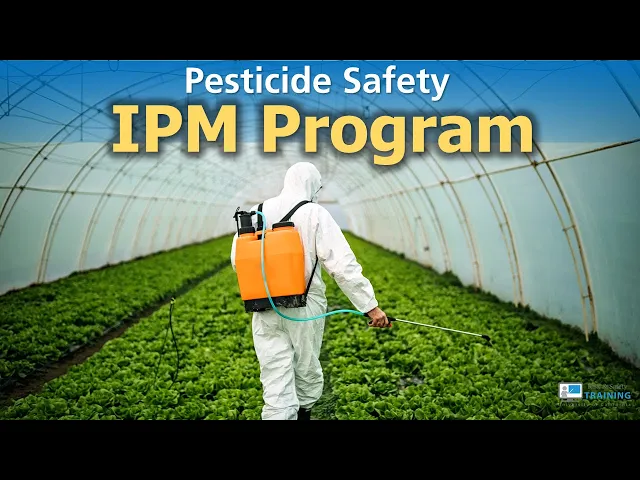
IPM is a framework that prioritizes understanding pest biology and behavior, identifying entry points and harborage conditions, applying prevention first, and using the least harmful effective treatment when treatment is necessary.
Chemical applications are used when needed, not as the default first response.
Targeted Application
Rather than broad-spectrum spraying of large areas, eco-friendly approaches apply treatment precisely where pest activity is documented, minimizing total chemical volume and off-target exposure.
Botanically Derived
Products derived from plant sources (like essential oil-based repellents or pyrethrin extracted from chrysanthemums), microbial agents like BTi (Bacillus thuringiensis israelensis) for mosquito larvae control, or naturally occurring minerals can achieve effective pest control with a substantially reduced environmental profile compared to broad-spectrum synthetic insecticides.
Exclusion
Sealing entry points, reducing moisture sources, removing food access, and modifying landscaping that creates pest harborage are all genuinely eco-friendly pest control measures because they eliminate the conditions that attract and sustain pests without any chemical input at all.
Eco-Friendly Choices at Home: Where to Start
The most impactful places to apply eco-friendly thinking in a typical home:
Energy: Switch to LED bulbs, use programmable thermostats, unplug devices when not in use. These reduce carbon emissions from electricity generation and lower utility bills.
Water: Fix leaks, install low-flow fixtures, water landscaping in the early morning to reduce evaporation, and avoid overwatering (which also, as discussed above, creates conditions for fungus gnats and other moisture-related pests).
Products: Choose cleaning and personal care products with disclosed, non-persistent ingredients. Look for EPA Safer Choice labels on cleaning products.
Waste: Reduce single-use plastic, compost food waste, and recycle materials that have viable markets in your area.
Pest management: Work with providers who use IPM-based approaches and can explain exactly what they are applying, why, and what its environmental profile is.

Related Questions to Explore
Is "natural" the same as "eco-friendly"? No, "Natural" simply means an ingredient originates from nature, but arsenic and venom are natural, too. At Radix Pest Solutions, we focus on eco-friendly treatments. This means we select targeted, low-impact products that solve your pest issue without disrupting your family, pets, or the local ecosystem.
Does eco-friendly pest control work as well as conventional treatments? Absolutely. The difference is the collateral damage, not the efficacy. Eco-friendly pest control requires more upfront diagnostic work and precise application, but the results are just as powerful as conventional chemicals.
Is eco-friendly pest control more expensive? Not in the long run. Standard companies often rely on cheap, repetitive synthetic sprays that only mask the problem. At Radix, we invest in structural exclusion and habitat modification to fix the root cause of the infestation. By stopping pests before they get in, you save money on endless recurring treatments.
What does "eco-friendly" actually mean at Radix Pest Solutions? It means we practice true Integrated Pest Management (IPM). We don’t blindly spray your baseboards. We use smart, reduced-risk products, prioritize physical prevention (like sealing entry points), and customize our plan to minimize chemical usage.
Is DIY pest control eco-friendly? Rarely. Most over-the-counter hardware store sprays are broad-spectrum synthetics that over-correct and harm beneficial insects. While basic sanitation helps, the most environmentally responsible step is a professional Radix inspection to isolate the problem before any product is ever applied.
What Eco-Friendly Means to Us
At Radix Pest Solutions, eco-friendly is not a marketing slogan. It is the foundation of how we approach pest management: understand the pest, address the conditions that support it, and use the least harmful effective treatment to resolve the problem.
Conclusion
The EPA Safer Choice program independently certifies products that meet rigorous safety and environmental standards, providing one of the most credible third-party validations available for eco-friendly product claims.
We use Integrated Pest Management principles, low-toxicity and botanically derived products where appropriate, and targeted application methods that minimize total chemical exposure for your family, pets, and the surrounding ecosystem.
Learn more about our pest control services and schedule with us today!
"Eco-friendly" appears on product packaging, pest control ads, and neighborhood signs, but the term has been used so broadly that its meaning has become blurry.
This guide explains what eco-friendly actually means, how it applies to everyday decisions, including pest control, and how to tell the difference between genuine environmental responsibility and greenwashing.
What Does Eco-Friendly Actually Mean?
Eco-friendly literally means "earth-friendly" or, more precisely, not harmful to the environment. The term describes products, practices, businesses, and behaviors that cause minimal negative impact on natural ecosystems, conserve resources, and protect environmental health.
In practical terms, being eco-friendly involves making deliberate choices that reduce:
Resource consumption (energy, water, raw materials)
Pollution (air, water, soil)
Waste generation
Harm to non-target species and ecosystems
The core principle behind eco-friendly living is that human activity should meet present needs without compromising the ability of future generations to meet theirs.
Sustainability vs Eco-Friendly
This is also the working definition of sustainability, though the two terms are not identical. "Eco-friendly" typically describes individual actions and products. "Sustainable" is a broader systems concept that considers long-term economic and social impact alongside environmental outcomes.
Being eco-friendly does not require dramatic lifestyle changes. It is often a shift in what choices you make among options already available to you, from how you control pests in your home to what light bulbs you use, to how you store and dispose of products.
Why Eco-Friendly Choices Matter
Every product manufactured, every chemical applied, and every resource consumed has downstream effects. Pesticides that eliminate a target insect can also harm beneficial insects, contaminate groundwater, and disrupt food chains.
Synthetic fertilizers applied to lawns run off into storm drains and damage aquatic ecosystems. Plastics that break down slowly persist in the environment for centuries. These effects compound at scale.
When millions of households make small choices without regard for environmental impact, the cumulative effect is measurable: biodiversity loss, water quality degradation, soil depletion, and changes to local ecosystems that affect everything from pollinator populations to drinking.
Eco-friendly choices at the individual level reduce your specific contribution to these cumulative impacts. They also signal demand to product and service providers, which drives broader market shifts toward more responsible practices.
Defining Eco-Friendly Pest Control Products
Genuine eco-friendliness in a product or service considers the full lifecycle: from raw material sourcing through manufacturing, distribution, use, and end of life.
A product made from recycled materials but shipped thousands of miles with significant fuel use has environmental tradeoffs that complicate a simple "eco-friendly" claim.
Look for these characteristics in genuinely eco-friendly products:
Ingredient and material transparency. The manufacturer discloses what the product contains and has verified that the ingredients do not persist harmfully in the environment.
Third-party certification. Independent verification from organizations like the EPA's Safer Choice program, the USDA Organic certification, or similar credentialing bodies provides meaningful confirmation that claims are substantiated.
Targeted efficacy. In pest control and other applications, an eco-friendly approach eliminates the target problem without creating unnecessary collateral damage to non-target species or the surrounding environment.
Reduced or eliminated synthetic chemical use. Products derived from naturally occurring botanical sources, microbial agents, or other low-toxicity inputs have a fundamentally different environmental profile than broad-spectrum synthetic chemical treatments.
Minimal packaging waste. Concentrated products, recyclable or compostable packaging, and reduced single-use materials are all meaningful factors.
Greenwashing: What to Watch For
Greenwashing is when a company markets a product as eco-friendly without substantiating that claim. It is widespread across industries, and pest control is no exception.
Signs of greenwashing include:
Vague language like "natural," "green," or "environmentally conscious" without specific ingredient disclosure
A green color scheme or leaf imagery without any certification or third-party verification
Claims that a single eco-friendly attribute (one recyclable component, one plant-derived ingredient) makes the entire product environmentally responsible
No published documentation of how claims were validated
A genuinely eco-friendly product or service provider will be able to tell you specifically what ingredients are used, why they were chosen over alternatives, what independent standards they meet, and how the product breaks down in the environment after use.
If that information is not readily available, the "eco-friendly" label may be marketing rather than substance.
Eco-Friendly Pest Control: What It Means in Practice
Pest control is one area where the difference between conventional and eco-friendly approaches is particularly meaningful, because pesticide residues interact directly with the environment: soil, water, non-target insects (including pollinators), and household occupants, including children and pets.
Eco-friendly pest control does not mean ineffective pest control. It means achieving effective results through methods that minimize unnecessary chemical exposure and environmental harm. This typically involves:
Integrated Pest Management (IPM)
IPM is a framework that prioritizes understanding pest biology and behavior, identifying entry points and harborage conditions, applying prevention first, and using the least harmful effective treatment when treatment is necessary.
Chemical applications are used when needed, not as the default first response.
Targeted Application
Rather than broad-spectrum spraying of large areas, eco-friendly approaches apply treatment precisely where pest activity is documented, minimizing total chemical volume and off-target exposure.
Botanically Derived
Products derived from plant sources (like essential oil-based repellents or pyrethrin extracted from chrysanthemums), microbial agents like BTi (Bacillus thuringiensis israelensis) for mosquito larvae control, or naturally occurring minerals can achieve effective pest control with a substantially reduced environmental profile compared to broad-spectrum synthetic insecticides.
Exclusion
Sealing entry points, reducing moisture sources, removing food access, and modifying landscaping that creates pest harborage are all genuinely eco-friendly pest control measures because they eliminate the conditions that attract and sustain pests without any chemical input at all.
Eco-Friendly Choices at Home: Where to Start
The most impactful places to apply eco-friendly thinking in a typical home:
Energy: Switch to LED bulbs, use programmable thermostats, unplug devices when not in use. These reduce carbon emissions from electricity generation and lower utility bills.
Water: Fix leaks, install low-flow fixtures, water landscaping in the early morning to reduce evaporation, and avoid overwatering (which also, as discussed above, creates conditions for fungus gnats and other moisture-related pests).
Products: Choose cleaning and personal care products with disclosed, non-persistent ingredients. Look for EPA Safer Choice labels on cleaning products.
Waste: Reduce single-use plastic, compost food waste, and recycle materials that have viable markets in your area.
Pest management: Work with providers who use IPM-based approaches and can explain exactly what they are applying, why, and what its environmental profile is.
Related Questions to Explore
Is "natural" the same as "eco-friendly"? No, "Natural" simply means an ingredient originates from nature, but arsenic and venom are natural, too. At Radix Pest Solutions, we focus on eco-friendly treatments. This means we select targeted, low-impact products that solve your pest issue without disrupting your family, pets, or the local ecosystem.
Does eco-friendly pest control work as well as conventional treatments? Absolutely. The difference is the collateral damage, not the efficacy. Eco-friendly pest control requires more upfront diagnostic work and precise application, but the results are just as powerful as conventional chemicals.
Is eco-friendly pest control more expensive? Not in the long run. Standard companies often rely on cheap, repetitive synthetic sprays that only mask the problem. At Radix, we invest in structural exclusion and habitat modification to fix the root cause of the infestation. By stopping pests before they get in, you save money on endless recurring treatments.
What does "eco-friendly" actually mean at Radix Pest Solutions? It means we practice true Integrated Pest Management (IPM). We don’t blindly spray your baseboards. We use smart, reduced-risk products, prioritize physical prevention (like sealing entry points), and customize our plan to minimize chemical usage.
Is DIY pest control eco-friendly? Rarely. Most over-the-counter hardware store sprays are broad-spectrum synthetics that over-correct and harm beneficial insects. While basic sanitation helps, the most environmentally responsible step is a professional Radix inspection to isolate the problem before any product is ever applied.
What Eco-Friendly Means to Us
At Radix Pest Solutions, eco-friendly is not a marketing slogan. It is the foundation of how we approach pest management: understand the pest, address the conditions that support it, and use the least harmful effective treatment to resolve the problem.
Conclusion
The EPA Safer Choice program independently certifies products that meet rigorous safety and environmental standards, providing one of the most credible third-party validations available for eco-friendly product claims.
We use Integrated Pest Management principles, low-toxicity and botanically derived products where appropriate, and targeted application methods that minimize total chemical exposure for your family, pets, and the surrounding ecosystem.
Learn more about our pest control services and schedule with us today!
Check Out What Our Pest Free Customers Have To Say

Emerald Tower Association, Inc
Pompano Beach, Florida

Highly recommend them. We had issues with raccoons and Jonathan immediately came out and placed cages around the property. Caught several raccoons. Thank you Jonathan for your excellent service.

Darcy Miller
Pompano Beach, Florida
I would definitely recommend Radix Pest Solutions. Jonathan is very professional, reliable and punctual. He absolutely knows this business and takes pride in his work.

Jason Shervinski
Pompano Beach, Florida
We have had Jonathan as our exterminator for well over 7 years. We could not think of a better Pest Control company for all of properties and needs. Jonathan is prompt, detailed, and reasonable. If you are searching for a quality Pest Control Company as a one time or on a recurring basis you found it in Radix!

Emily Acevedo
Pompano Beach, Florida
Jonathan was very professional and knowledgeable, he listened and then proceeded to address the concerns. He provided excellent service and explained the process, completed it quickly and efficiently. I will be using this company again and recommend to anyone with a pest problem.

Killgates Covidlie
Pompano Beach, Florida
I’ve known Jonathan for over five years. On how he took care of us during a complete termite infestation is no less than perfection. There no one like him, bar none. His honesty, reliability, hard work and dedication and punctuality. I feel privileged that I was lucky enough to have found him to use his service, because they don’t exist like him. Thank you Jonathan.
Daisy Maestre
Pompano Beach, Florida
It’s the best pest control company that I’ve dealt with, Jonathan is knowledgeable, always prompt, courteous and thorough and very affordable. I highly recommend him…. Give him a call you won’t regret it… 😊
Emerald Tower Association, Inc
Pompano Beach, Florida
Highly recommend them. We had issues with raccoons and Jonathan immediately came out and placed cages around the property. Caught several raccoons. Thank you Jonathan for your excellent service.
Darcy Miller
Pompano Beach, Florida
I would definitely recommend Radix Pest Solutions. Jonathan is very professional, reliable and punctual. He absolutely knows this business and takes pride in his work.
Jason Shervinski
Pompano Beach, Florida
We have had Jonathan as our exterminator for well over 7 years. We could not think of a better Pest Control company for all of properties and needs. Jonathan is prompt, detailed, and reasonable. If you are searching for a quality Pest Control Company as a one time or on a recurring basis you found it in Radix!
Emily Acevedo
Pompano Beach, Florida
Jonathan was very professional and knowledgeable, he listened and then proceeded to address the concerns. He provided excellent service and explained the process, completed it quickly and efficiently. I will be using this company again and recommend to anyone with a pest problem.
Killgates Covidlie
Pompano Beach, Florida
I’ve known Jonathan for over five years. On how he took care of us during a complete termite infestation is no less than perfection. There no one like him, bar none. His honesty, reliability, hard work and dedication and punctuality. I feel privileged that I was lucky enough to have found him to use his service, because they don’t exist like him. Thank you Jonathan.
Daisy Maestre
Pompano Beach, Florida
It’s the best pest control company that I’ve dealt with, Jonathan is knowledgeable, always prompt, courteous and thorough and very affordable. I highly recommend him…. Give him a call you won’t regret it… 😊
Emerald Tower Association, Inc
Pompano Beach, Florida
Highly recommend them. We had issues with raccoons and Jonathan immediately came out and placed cages around the property. Caught several raccoons. Thank you Jonathan for your excellent service.
Darcy Miller
Pompano Beach, Florida
I would definitely recommend Radix Pest Solutions. Jonathan is very professional, reliable and punctual. He absolutely knows this business and takes pride in his work.
Jason Shervinski
Pompano Beach, Florida
We have had Jonathan as our exterminator for well over 7 years. We could not think of a better Pest Control company for all of properties and needs. Jonathan is prompt, detailed, and reasonable. If you are searching for a quality Pest Control Company as a one time or on a recurring basis you found it in Radix!
Emily Acevedo
Pompano Beach, Florida
Jonathan was very professional and knowledgeable, he listened and then proceeded to address the concerns. He provided excellent service and explained the process, completed it quickly and efficiently. I will be using this company again and recommend to anyone with a pest problem.
Killgates Covidlie
Pompano Beach, Florida
I’ve known Jonathan for over five years. On how he took care of us during a complete termite infestation is no less than perfection. There no one like him, bar none. His honesty, reliability, hard work and dedication and punctuality. I feel privileged that I was lucky enough to have found him to use his service, because they don’t exist like him. Thank you Jonathan.
Daisy Maestre
Pompano Beach, Florida
It’s the best pest control company that I’ve dealt with, Jonathan is knowledgeable, always prompt, courteous and thorough and very affordable. I highly recommend him…. Give him a call you won’t regret it… 😊
Emerald Tower Association, Inc
Pompano Beach, Florida
Highly recommend them. We had issues with raccoons and Jonathan immediately came out and placed cages around the property. Caught several raccoons. Thank you Jonathan for your excellent service.
Darcy Miller
Pompano Beach, Florida
I would definitely recommend Radix Pest Solutions. Jonathan is very professional, reliable and punctual. He absolutely knows this business and takes pride in his work.
Jason Shervinski
Pompano Beach, Florida
We have had Jonathan as our exterminator for well over 7 years. We could not think of a better Pest Control company for all of properties and needs. Jonathan is prompt, detailed, and reasonable. If you are searching for a quality Pest Control Company as a one time or on a recurring basis you found it in Radix!
Emily Acevedo
Pompano Beach, Florida
Jonathan was very professional and knowledgeable, he listened and then proceeded to address the concerns. He provided excellent service and explained the process, completed it quickly and efficiently. I will be using this company again and recommend to anyone with a pest problem.
Killgates Covidlie
Pompano Beach, Florida
I’ve known Jonathan for over five years. On how he took care of us during a complete termite infestation is no less than perfection. There no one like him, bar none. His honesty, reliability, hard work and dedication and punctuality. I feel privileged that I was lucky enough to have found him to use his service, because they don’t exist like him. Thank you Jonathan.
Daisy Maestre
Pompano Beach, Florida
It’s the best pest control company that I’ve dealt with, Jonathan is knowledgeable, always prompt, courteous and thorough and very affordable. I highly recommend him…. Give him a call you won’t regret it… 😊


We offer a range of professional pest control services to residential and commercial clients. Our experienced team is dedicated to keeping your property pest-free with minimal disruption to your daily life.
Phone:
E-mail:
Locations:
1940 NW 1st Ave
Pompano Beach, FL 33060
2131 Hollywood Blvd, Ste 306
Hollywood, FL 33020
2829 SW 67th Ave
Miami, FL 33155
Hours
Monday - Saturday
07:00 am – 05:00 pm
Sun Closed
*Closed All Major Holidays*
Our Services
We offer a range of professional pest control services to residential and commercial clients. Our experienced team is dedicated to keeping your property pest-free with minimal disruption to your daily life.
Phone:
E-mail:
Locations:
1940 NW 1st Ave
Pompano Beach, FL 33060
2131 Hollywood Blvd, Ste 306
Hollywood, FL 33020
2829 SW 67th Ave
Miami, FL 33155
Hours
Monday - Saturday
07:00 am – 05:00 pm
Sun Closed
*Closed All Major Holidays*
Our Services
We offer a range of professional pest control services to residential and commercial clients. Our experienced team is dedicated to keeping your property pest-free with minimal disruption to your daily life.
Phone:
E-mail:
Locations:
1940 NW 1st Ave
Pompano Beach, FL 33060
2131 Hollywood Blvd, Ste 306
Hollywood, FL 33020
2829 SW 67th Ave
Miami, FL 33155
Hours
Monday - Saturday
07:00 am – 05:00 pm
Sun Closed
*Closed All Major Holidays*
Our Services
We offer a range of professional pest control services to residential and commercial clients. Our experienced team is dedicated to keeping your property pest-free with minimal disruption to your daily life.
Phone:
E-mail:
Locations:
1940 NW 1st Ave
Pompano Beach, FL 33060
2131 Hollywood Blvd, Ste 306
Hollywood, FL 33020
2829 SW 67th Ave
Miami, FL 33155
Hours
Monday - Saturday
07:00 am – 05:00 pm
Sun Closed
*Closed All Major Holidays*
Our Services