

$25 OFF SERVICE FOR NEW CUSTOMERS!
(954) 405-9043
Can Ticks Jump Inside Your Home? What Homeowners Should Know
January 28, 2026

No, ticks cannot jump. Even though the answer is simple, the situation often feels anything but simple for homeowners.
Finding a tick inside your house can be alarming, especially if you have children or pets. Many people assume ticks must jump or fly because they seem to appear suddenly.
However, in reality, ticks rely on slow, steady movement and opportunity. Understanding how ticks actually behave helps you reduce risk and avoid common mistakes.
In this guide, we will explain how ticks move, how they get inside homes, where they hide, how they compare to fleas, and what steps you can take to protect your household. We will also explain when professional tick control becomes the best next step.
Can Ticks Jump Inside Your Home?
Ticks cannot jump inside your home because they cannot jump at all.
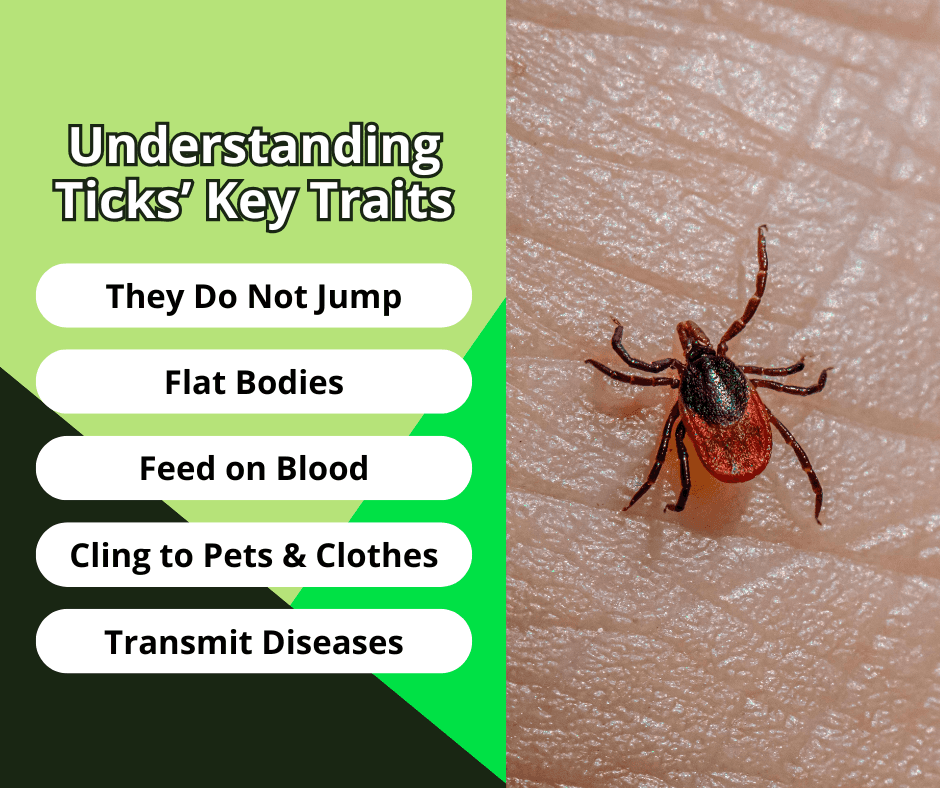
Ticks do not have wings, and they do not have strong back legs like fleas. Their bodies are built for crawling and gripping, not leaping. When a tick ends up on a person or pet, it is almost always due to direct contact.
Instead, ticks use a method called questing. They climb onto tall grass, weeds, or shrubs and hold their front legs out.
When something brushes against them, they latch on. From there, they crawl until they find a suitable feeding spot.
This behavior explains why ticks feel sudden or surprising. They are not jumping from far away. They are waiting quietly until the right moment.
How Ticks Really Get Inside Houses
Ticks enter homes by hitching rides on pets, people, and objects.
In many cases, once a tick attaches outdoors, it can easily be carried indoors without being noticed.
1. Pets Bringing Ticks Indoors
Pets are the most common reason ticks show up inside homes. Dogs and outdoor cats pick up ticks during walks, playtime, or yard use.
Thick fur makes ticks harder to spot, and they may not attach right away. Instead, they can crawl off after the pet comes inside.
As a result, this often leads to ticks being found on floors, couches, or pet bedding hours later.
2. Clothing and Shoes
Ticks can cling to:
Pants and socks
Jackets
Shoes
Backpacks and outdoor gear
Therefore, clothing is worn indoors after outdoor activity, and ticks can crawl off and spread through the home.
For this reason, washing and drying clothes quickly reduces this risk.
3. Entry Points Around the Home
Ticks can crawl through small openings, including:
Gaps under doors
Garage door edges
Crawl space vents
Utility line openings
Additionally, homes with frequent door use, attached garages, or poor sealing are more vulnerable.
4. Yard and Landscaping Factors
Ticks thrive in shaded, moist environments. Overgrown grass, leaf piles, and dense shrubs near the home increase tick pressure.
As a result, wildlife such as deer, raccoons, and rodents like mice can also bring ticks closer to your property.
Ticks vs Fleas and Other Common Jumping Pests
Ticks crawl, while fleas jump, and this difference matters for control.
Many homeowners assume ticks behave like fleas. This leads to confusion and delayed treatment.
How Ticks and Fleas Move
Ticks move slowly and deliberately by crawling. Fleas, on the other hand, can jump many inches using powerful hind legs. Because of this, fleas can spread quickly through homes.
Why Ticks Are Often Misidentified
Ticks and fleas share similarities:
Both feed on blood
Both affect pets and people
Both can be found indoors
However, their biology and treatment needs are very different.
Comparison Table: Ticks vs Fleas
Feature | Ticks | Fleas |
Can jump | No | Yes |
Can fly | No | No |
Primary movement | Crawling | Jumping |
Typical hiding spots | Carpets, pet beds, baseboards | Carpets, upholstery |
Disease risk | High | Moderate |
Infestation style | Hitchhiking and survival | Rapid reproduction |
Correct identification helps ensure proper treatment and prevents wasted effort.
Where Do Ticks Hide Once They Are Indoors?
Many times, ticks hide in quiet, protected areas close to hosts.
Once inside, ticks avoid open spaces. They prefer dark, undisturbed areas where they can wait safely.
Common hiding spots include:
Carpets and area rugs
Baseboards and corners
Pet beds and crates
Sofas and chairs
Closets and laundry rooms
Shoes and storage bins
Ticks are resilient.
According to the Centers for Disease Control and Prevention, some tick species can survive for months without feeding, depending on environmental conditions.
This means a tick can remain hidden long after entering the home.
Are Indoor Ticks a Health Risk?
Ticks indoors are a real health concern for families and pets.
For example, ticks are known carriers of serious diseases. In the United States, tick-borne illnesses have increased significantly over time.
The CDC reports that reported cases of tick-borne diseases more than doubled between 2004 and 2019.
Health risks include:
Lyme disease
Rocky Mountain spotted fever
Ehrlichiosis
Anaplasmosis
Tick paralysis in pets
In fact, children and pets are especially vulnerable because ticks often crawl to low or hidden areas of the body before biting.
Signs You May Have a Tick Problem Indoors
Repeated sightings often indicate an ongoing issue.
Warning signs include:
Finding ticks on pets indoors
Ticks crawling on walls or floors
Unexplained bites on ankles or legs
Pets scratching or chewing frequently
Ticks are found near sleeping or resting areas
Oftentimes, seeing a single tick does not always mean an infestation, but multiple sightings suggest continued exposure.
How to Prevent Ticks From Getting Inside Your Home
Prevention works best when habits and environment are addressed together.
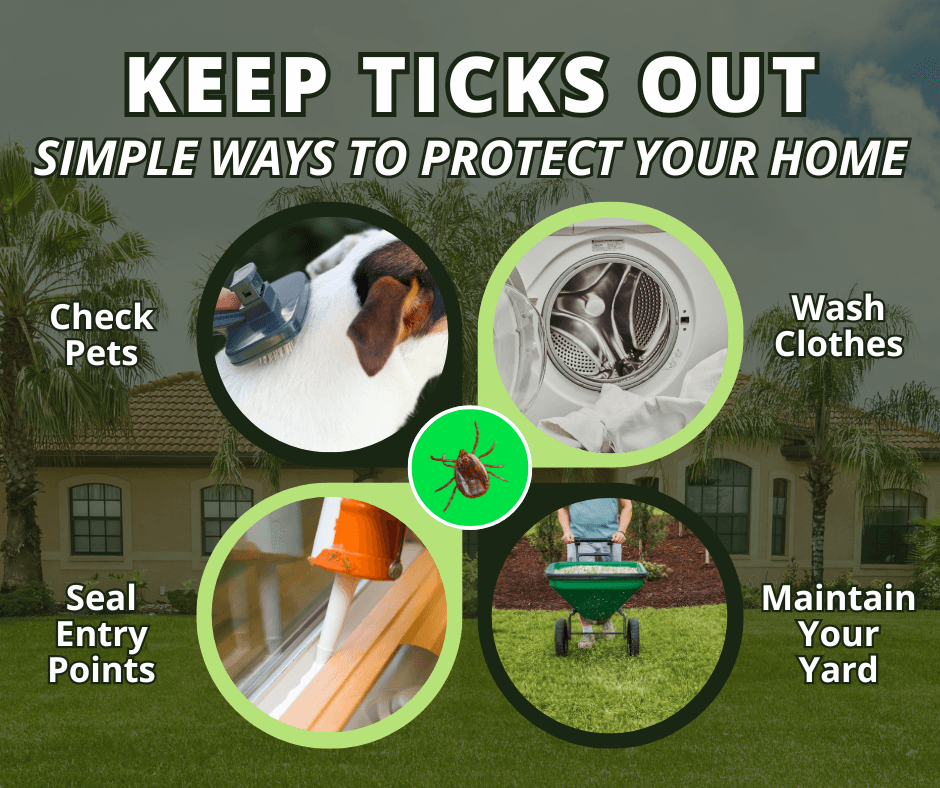
1. Check Pets Daily
Inspect pets after outdoor activity. Focus on ears, neck, paws, belly, and under collars. Early removal reduces disease risk.
2. Change and Wash Clothes Promptly
Remove outdoor clothing right away. Wash in hot water and dry on high heat to kill ticks before they spread.
3. Seal and Maintain Entry Points
Repair door sweeps, seal gaps, and screen vents. Small improvements can greatly reduce pest entry.
4. Maintain Your Yard
Keep grass trimmed short
Remove leaf litter and debris
Trim bushes away from the home
Create gravel or mulch borders
Additionally, reducing tick habitat lowers overall risk.
How Radix Pest Solutions Handles Tick Control
Professional tick control targets the source, not just the symptoms.
Radix Pest Solutions takes a comprehensive approach to tick management.
Detailed Property Inspection
Technicians identify tick-prone areas, entry points, and environmental factors.
Targeted Outdoor Treatments
Treatments focus on shaded, moist areas where ticks live and travel. This reduces the chance of ticks reaching the home.
Family and Pet Conscious Methods
Treatment plans consider household safety while remaining effective against ticks.
Ongoing Prevention Plans
Seasonal treatments help manage tick populations during peak activity periods.
When to Call a Professional Tick Control Service
Professional help is recommended when prevention is not enough.
Consider professional service if:
Ticks appear indoors more than once
Pets frequently bring ticks inside
Yard conditions attract wildlife
DIY methods fail
Professional treatment provides longer-lasting control and peace of mind.
Related Questions
Can ticks crawl up walls or furniture?
Yes. Ticks can crawl up walls, furniture, and bedding while searching for hosts.
How long can ticks live inside a house?
Some ticks can survive for months indoors under the right conditions.
Can ticks infest carpets or beds?
Ticks do not infest like fleas, but can hide in carpets, bedding, and furniture.
Do ticks lay eggs indoors?
Most ticks lay eggs outdoors. Indoor egg laying is rare but possible in certain conditions.
Are ticks worse during certain seasons?
Tick activity peaks in spring and summer, but some species remain active into fall and mild winters.
Conclusion
Ticks cannot jump inside your home, but they can still get inside through pets, clothing, and yard exposure. Once indoors, they hide well and pose health risks if ignored.
Prevention starts with awareness, routine checks, and proper yard care. When ticks persist, or risk feels high, professional tick control can help protect your home.
If you are concerned about ticks around your property or have found ticks indoors, Radix Pest Solutions can help assess the situation and recommend effective tick control options designed to protect your family and pets.
No, ticks cannot jump. Even though the answer is simple, the situation often feels anything but simple for homeowners.
Finding a tick inside your house can be alarming, especially if you have children or pets. Many people assume ticks must jump or fly because they seem to appear suddenly.
However, in reality, ticks rely on slow, steady movement and opportunity. Understanding how ticks actually behave helps you reduce risk and avoid common mistakes.
In this guide, we will explain how ticks move, how they get inside homes, where they hide, how they compare to fleas, and what steps you can take to protect your household. We will also explain when professional tick control becomes the best next step.
Can Ticks Jump Inside Your Home?
Ticks cannot jump inside your home because they cannot jump at all.
Ticks do not have wings, and they do not have strong back legs like fleas. Their bodies are built for crawling and gripping, not leaping. When a tick ends up on a person or pet, it is almost always due to direct contact.
Instead, ticks use a method called questing. They climb onto tall grass, weeds, or shrubs and hold their front legs out.
When something brushes against them, they latch on. From there, they crawl until they find a suitable feeding spot.
This behavior explains why ticks feel sudden or surprising. They are not jumping from far away. They are waiting quietly until the right moment.
How Ticks Really Get Inside Houses
Ticks enter homes by hitching rides on pets, people, and objects.
In many cases, once a tick attaches outdoors, it can easily be carried indoors without being noticed.
1. Pets Bringing Ticks Indoors
Pets are the most common reason ticks show up inside homes. Dogs and outdoor cats pick up ticks during walks, playtime, or yard use.
Thick fur makes ticks harder to spot, and they may not attach right away. Instead, they can crawl off after the pet comes inside.
As a result, this often leads to ticks being found on floors, couches, or pet bedding hours later.
2. Clothing and Shoes
Ticks can cling to:
Pants and socks
Jackets
Shoes
Backpacks and outdoor gear
Therefore, clothing is worn indoors after outdoor activity, and ticks can crawl off and spread through the home.
For this reason, washing and drying clothes quickly reduces this risk.
3. Entry Points Around the Home
Ticks can crawl through small openings, including:
Gaps under doors
Garage door edges
Crawl space vents
Utility line openings
Additionally, homes with frequent door use, attached garages, or poor sealing are more vulnerable.
4. Yard and Landscaping Factors
Ticks thrive in shaded, moist environments. Overgrown grass, leaf piles, and dense shrubs near the home increase tick pressure.
As a result, wildlife such as deer, raccoons, and rodents like mice can also bring ticks closer to your property.
Ticks vs Fleas and Other Common Jumping Pests
Ticks crawl, while fleas jump, and this difference matters for control.
Many homeowners assume ticks behave like fleas. This leads to confusion and delayed treatment.
How Ticks and Fleas Move
Ticks move slowly and deliberately by crawling. Fleas, on the other hand, can jump many inches using powerful hind legs. Because of this, fleas can spread quickly through homes.
Why Ticks Are Often Misidentified
Ticks and fleas share similarities:
Both feed on blood
Both affect pets and people
Both can be found indoors
However, their biology and treatment needs are very different.
Comparison Table: Ticks vs Fleas
Feature | Ticks | Fleas |
Can jump | No | Yes |
Can fly | No | No |
Primary movement | Crawling | Jumping |
Typical hiding spots | Carpets, pet beds, baseboards | Carpets, upholstery |
Disease risk | High | Moderate |
Infestation style | Hitchhiking and survival | Rapid reproduction |
Correct identification helps ensure proper treatment and prevents wasted effort.
Where Do Ticks Hide Once They Are Indoors?
Many times, ticks hide in quiet, protected areas close to hosts.
Once inside, ticks avoid open spaces. They prefer dark, undisturbed areas where they can wait safely.
Common hiding spots include:
Carpets and area rugs
Baseboards and corners
Pet beds and crates
Sofas and chairs
Closets and laundry rooms
Shoes and storage bins
Ticks are resilient.
According to the Centers for Disease Control and Prevention, some tick species can survive for months without feeding, depending on environmental conditions.
This means a tick can remain hidden long after entering the home.
Are Indoor Ticks a Health Risk?
Ticks indoors are a real health concern for families and pets.
For example, ticks are known carriers of serious diseases. In the United States, tick-borne illnesses have increased significantly over time.
The CDC reports that reported cases of tick-borne diseases more than doubled between 2004 and 2019.
Health risks include:
Lyme disease
Rocky Mountain spotted fever
Ehrlichiosis
Anaplasmosis
Tick paralysis in pets
In fact, children and pets are especially vulnerable because ticks often crawl to low or hidden areas of the body before biting.
Signs You May Have a Tick Problem Indoors
Repeated sightings often indicate an ongoing issue.
Warning signs include:
Finding ticks on pets indoors
Ticks crawling on walls or floors
Unexplained bites on ankles or legs
Pets scratching or chewing frequently
Ticks are found near sleeping or resting areas
Oftentimes, seeing a single tick does not always mean an infestation, but multiple sightings suggest continued exposure.
How to Prevent Ticks From Getting Inside Your Home
Prevention works best when habits and environment are addressed together.
1. Check Pets Daily
Inspect pets after outdoor activity. Focus on ears, neck, paws, belly, and under collars. Early removal reduces disease risk.
2. Change and Wash Clothes Promptly
Remove outdoor clothing right away. Wash in hot water and dry on high heat to kill ticks before they spread.
3. Seal and Maintain Entry Points
Repair door sweeps, seal gaps, and screen vents. Small improvements can greatly reduce pest entry.
4. Maintain Your Yard
Keep grass trimmed short
Remove leaf litter and debris
Trim bushes away from the home
Create gravel or mulch borders
Additionally, reducing tick habitat lowers overall risk.
How Radix Pest Solutions Handles Tick Control
Professional tick control targets the source, not just the symptoms.
Radix Pest Solutions takes a comprehensive approach to tick management.
Detailed Property Inspection
Technicians identify tick-prone areas, entry points, and environmental factors.
Targeted Outdoor Treatments
Treatments focus on shaded, moist areas where ticks live and travel. This reduces the chance of ticks reaching the home.
Family and Pet Conscious Methods
Treatment plans consider household safety while remaining effective against ticks.
Ongoing Prevention Plans
Seasonal treatments help manage tick populations during peak activity periods.
When to Call a Professional Tick Control Service
Professional help is recommended when prevention is not enough.
Consider professional service if:
Ticks appear indoors more than once
Pets frequently bring ticks inside
Yard conditions attract wildlife
DIY methods fail
Professional treatment provides longer-lasting control and peace of mind.
Related Questions
Can ticks crawl up walls or furniture?
Yes. Ticks can crawl up walls, furniture, and bedding while searching for hosts.
How long can ticks live inside a house?
Some ticks can survive for months indoors under the right conditions.
Can ticks infest carpets or beds?
Ticks do not infest like fleas, but can hide in carpets, bedding, and furniture.
Do ticks lay eggs indoors?
Most ticks lay eggs outdoors. Indoor egg laying is rare but possible in certain conditions.
Are ticks worse during certain seasons?
Tick activity peaks in spring and summer, but some species remain active into fall and mild winters.
Conclusion
Ticks cannot jump inside your home, but they can still get inside through pets, clothing, and yard exposure. Once indoors, they hide well and pose health risks if ignored.
Prevention starts with awareness, routine checks, and proper yard care. When ticks persist, or risk feels high, professional tick control can help protect your home.
If you are concerned about ticks around your property or have found ticks indoors, Radix Pest Solutions can help assess the situation and recommend effective tick control options designed to protect your family and pets.
Discover Our Latest Blog Post
Stay informed with the latest tips, insights, and updates from Radix Pest Solutions.



We offer a range of professional pest control services to residential and commercial clients. Our experienced team is dedicated to keeping your property pest-free with minimal disruption to your daily life.
Phone:
E-mail:
Locations:
1940 NW 1st Ave
Pompano Beach, FL 33060
2131 Hollywood Blvd, Ste 306
Hollywood, FL 33020
2829 SW 67th Ave
Miami, FL 33155
Hours
Monday - Saturday
07:00 am – 05:00 pm
Sun Closed
*Closed All Major Holidays*
Our Services
We offer a range of professional pest control services to residential and commercial clients. Our experienced team is dedicated to keeping your property pest-free with minimal disruption to your daily life.
Phone:
E-mail:
Locations:
1940 NW 1st Ave
Pompano Beach, FL 33060
2131 Hollywood Blvd, Ste 306
Hollywood, FL 33020
2829 SW 67th Ave
Miami, FL 33155
Hours
Monday - Saturday
07:00 am – 05:00 pm
Sun Closed
*Closed All Major Holidays*
Our Services
We offer a range of professional pest control services to residential and commercial clients. Our experienced team is dedicated to keeping your property pest-free with minimal disruption to your daily life.
Phone:
E-mail:
Locations:
1940 NW 1st Ave
Pompano Beach, FL 33060
2131 Hollywood Blvd, Ste 306
Hollywood, FL 33020
2829 SW 67th Ave
Miami, FL 33155
Hours
Monday - Saturday
07:00 am – 05:00 pm
Sun Closed
*Closed All Major Holidays*
Our Services
We offer a range of professional pest control services to residential and commercial clients. Our experienced team is dedicated to keeping your property pest-free with minimal disruption to your daily life.
Phone:
E-mail:
Locations:
1940 NW 1st Ave
Pompano Beach, FL 33060
2131 Hollywood Blvd, Ste 306
Hollywood, FL 33020
2829 SW 67th Ave
Miami, FL 33155
Hours
Monday - Saturday
07:00 am – 05:00 pm
Sun Closed
*Closed All Major Holidays*
Our Services