$25 OFF SERVICE FOR NEW CUSTOMERS!
(954) 405-9043

Preventing Rodents: What is a Mouse Repellent?
September 25, 2026

A mouse repellent is any product or method meant to make an area so unpleasant that mice stay away, usually through smell, taste, or sound. Common examples include peppermint oil sprays, scent pouches, and plug-in ultrasonic devices. Repellents don't kill or trap mice. They try to push them somewhere else.
The catch is that most repellents only work for a short time, if at all. At Radix Pest Solutions, we've inspected South Florida homes where plug-ins ran for months while mice nested a few feet away. Below, we break down each type of repellent, what the evidence says, and what keeps mice out for good.
Quick answer: Mouse repellents can make a spot less appealing for a while, but mice get used to them fast. They won't solve an infestation. Sealing entry points, removing food, and trapping the mice already inside is what works.
How Do Mouse Repellents Work?
Mouse repellents work by targeting one of three senses: smell, taste, or hearing. The idea is simple. If a space smells, tastes, or sounds bad enough, a mouse will look for a better place to live.
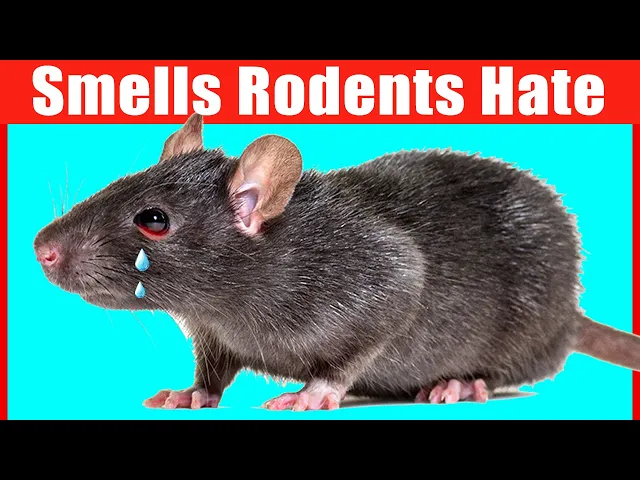
Smell: Mice rely heavily on their noses to find food, follow trails, and sense danger. Strong scents like peppermint, eucalyptus, or predator urine are meant to overwhelm or alarm them.
Taste: Bitter or spicy coatings (often capsaicin-based) are sprayed or wrapped onto wiring and surfaces to discourage chewing.
Hearing: Ultrasonic devices send out high-pitched sound above what people can hear, which is supposed to irritate mice into leaving.
Here's the problem. A mouse only needs a small amount of food each day and a warm, hidden place to nest. When food and shelter are right there, a little discomfort usually isn't enough to drive it away.
Over days or weeks, most mice simply get used to the smell or sound. That process is called habituation, and it's the main reason repellents fall short.

Types of Mouse Repellents
There are a handful of main categories, and they vary a lot in cost, safety, and results.
Type | Examples | How it's supposed to work | Real-world results |
Essential oil sprays | Peppermint, eucalyptus, clove, cedar | Strong scent drives mice away | Short-term at best; needs frequent reapplying |
Scent pouches and pods | Plant-fiber sachets, balsam fir pouches | Slow-release scent in enclosed spaces | Mild effect in small, closed areas like cars and cabinets |
Outdoor granules | Perimeter granules with oils or castor oil | Scent barrier around the foundation | Washes out quickly with rain and irrigation |
Wall-outlet devices | High-frequency sound irritates mice | Mice adapt; sound can't pass through walls or furniture | |
Electromagnetic plug-ins | Devices that claim to use home wiring | Pulses through walls to disturb mice | Little to no independent evidence |
Taste deterrents | Bitter sprays, capsaicin tape | Makes surfaces unpleasant to chew | Can protect specific wires or items |
Predator urine | Fox or bobcat urine products | Signals danger nearby | Mixed results; mice near homes often ignore it |
Naphthalene or paradichlorobenzene | Toxic fumes | Not a legal use, and unsafe indoors |
Scent-Based Repellents
Scent-based repellents are the most common type you'll find in stores. Peppermint oil is the best-known example, and eucalyptus oil has shown some short-term effect on rats in lab research.
The trouble is that scents fade fast, and South Florida's heat and humidity speed that up. A spray might be noticeable for a day or two. Outdoor granules can wash away with the next afternoon storm or sprinkler cycle.
One more thing worth knowing: many natural repellents fall under the EPA's "minimum risk" pesticide category. That exemption means the product doesn't have to prove to the EPA that it repels mice before it hits the shelf. "All natural" on a label speaks to ingredients, not results.
Ultrasonic and Electronic Repellers
Ultrasonic repellers plug into a wall outlet and give off sound at frequencies above human hearing. Electromagnetic versions claim to send pulses through your home's wiring. They're popular because they're cheap, quiet, and chemical-free.
The evidence isn't on their side. The Federal Trade Commission warned more than 60 makers and sellers of ultrasonic pest devices that their claims had to be backed by real scientific evidence. Earlier FTC cases found that any reaction rodents had to the sound was temporary, and that they returned to their nests and food even with the device running.
Sound also doesn't travel well. It bounces off walls, cabinets, and furniture instead of passing through them, so mice can sit in quiet "dead zones" a few feet from the device. And since mice spend most of their time inside walls and ceilings, the device often isn't reaching the places that matter.
Pet owners should know that dogs, cats, and especially pet rodents like hamsters and guinea pigs may hear these frequencies too.
Mothballs
Mothballs are one of the oldest "repellents" around, and one of the worst ideas. They're registered pesticides made for killing clothes moths in sealed containers. Using them any other way, including scattering them in attics, crawlspaces, or yards to drive off mice, goes against the label, and with pesticides, the label is the law.
The fumes from naphthalene and paradichlorobenzene aren't safe to breathe in a living space, especially for kids and pets.
Home Remedies
Online, you'll find plenty of DIY mouse repellents: dryer sheets, Irish Spring soap, cayenne pepper, vinegar, ammonia, and steel wool soaked in essential oil. Most of these follow the same pattern as store-bought scents. They might cause a mouse to pause for a bit, then the smell fades, and the mouse goes back to business.
Ammonia and strong vinegar sprays can also irritate your own eyes and lungs, which is a bad trade for a result that doesn't last.
Do Mouse Repellents Actually Work?
Mouse repellents can reduce activity in one small spot for a short time, but they don't get rid of mice. They're not a fix for an active infestation. Here's why:
Mice get used to them. Habituation happens within days to weeks for both scents and sounds.
They don't close the door. A repellent doesn't seal the gap the mouse came through, so new mice keep arriving.
Mice breed fast. A female house mouse can have a new litter every few weeks. Time spent testing repellents gives the population time to grow.
They can push mice deeper. A mouse avoiding a smelly kitchen may just move into the wall behind it. Getting rodents out of walls is a harder job than dealing with them in the open.
You may have the wrong target. In South Florida, the noise in the attic is often roof rats, not mice. Roof rats are larger, climb palm and fruit trees to reach rooflines, and ignore a lot of what's sold as mouse repellent.
So the honest answer is: repellents are a small tool, not a solution.
What Works Better Than a Mouse Repellent
What keeps mice out is a combination of sealing entry points, removing food and shelter, and trapping the mice already inside. Pest professionals call this approach integrated pest management, and it works because it removes the reasons mice came in.
1. Seal entry points. A mouse can squeeze through a gap about the width of a pencil. Check around pipes under sinks, where utility lines enter the house, garage door corners, dryer vents, and weep holes. Pack gaps with steel wool or copper mesh, then seal with caulk or foam.
Crawlspace vents and openings are common problem spots, and it helps to know how a crawlspace works before sealing one.
2. Remove food and water. Store pantry food, pet food, and birdseed in hard plastic or metal containers. Wipe up crumbs, fix leaky faucets, and pick up fallen fruit outside.
3. Cut down on shelter. Clear clutter in garages and closets, keep stored boxes off the floor, and trim shrubs away from the foundation.
4. Trap the mice already inside. Snap traps placed along walls, where mice naturally travel, are still one of the most effective tools. Use several traps, not just one or two. See our full guide on how to get rid of mice in your home for trap placement tips.
5. Monitor. Fresh droppings, gnaw marks, or grease rubs along baseboards tell you whether the plan is working.

When a Repellent Can Still Help
Repellents aren't useless. They just work best as a backup layer after the house is sealed, not as the main plan. A few situations where they can make sense:
Cars, boats, and RVs that sit unused. Scent pouches in an engine bay or cabin can make a parked vehicle less inviting, and taste deterrents can protect wiring.
Sheds, garages, and storage units where you can't easily seal every gap.
Specific items, like wiring or stored furniture, that mice have chewed before.
If you use one, follow the label, swap scents every few weeks so mice don't adapt, and keep essential oils away from pets.
Related Questions to Explore
Do ultrasonic mouse repellers work? Not reliably. The FTC has warned makers that their claims need scientific support, and past cases found rodents adapt to the sound and return. The sound also can't pass through walls or furniture.
What smell do mice hate the most? Mice tend to avoid strong scents like peppermint, eucalyptus, and clove, but the effect wears off as the scent fades and mice get used to it.
Is peppermint oil safe to use around pets? Concentrated essential oils, including peppermint, can be harmful to cats and dogs if they're inhaled, licked, or absorbed through the skin. Keep treated areas out of pets' reach and ask your vet first.
Will a mouse repellent get rid of mice already in my house? No. Repellents may move mice around, but they won't remove a population that's already nesting. You'll need to seal entry points and trap the mice inside, or bring in professional rodent control.
How long does mouse repellent last? It depends on the type. Sprays often fade in a few days, pouches last longer in enclosed spaces, and outdoor granules can wash out with the next rain. Plug-ins run as long as they're powered, but mice usually adapt within weeks.
How do I know if I have mice or rats? Mouse droppings are small, about the size of a grain of rice, while rat droppings are larger. In South Florida attics, roof rats are common. Learn more in our guide to keeping your attic pest-free.
When to Call a Professional
A repellent might buy you a few quiet days, but it won't tell you where mice are getting in or how many there are.
Call a professional if:
You see droppings, gnaw marks, or nesting material in more than one room
You hear scratching in walls or the ceiling, especially at night
You've tried repellents or traps for a few weeks and the signs keep coming back
You find chewed wiring or insulation, which can become a fire risk
You're not sure whether you're dealing with mice or roof rats
Radix handles rodent inspections, exclusion, and trapping for homes and businesses across Broward, Palm Beach, and Miami-Dade. Our rodent control service focuses on finding and sealing the entry points so mice don't come back.
Conclusion
A mouse repellent is a product that tries to drive mice away with smell, taste, or sound. Some can help for a short time in small spaces, but none of them will clear out an infestation.
Mice get used to scents and sounds quickly.
Sealing gaps, removing food, and trapping are what work.
Use repellents as a backup layer, not the main plan.
Hearing scratching in the walls or finding droppings? Contact Radix Pest Solutions today!
A mouse repellent is any product or method meant to make an area so unpleasant that mice stay away, usually through smell, taste, or sound. Common examples include peppermint oil sprays, scent pouches, and plug-in ultrasonic devices. Repellents don't kill or trap mice. They try to push them somewhere else.
The catch is that most repellents only work for a short time, if at all. At Radix Pest Solutions, we've inspected South Florida homes where plug-ins ran for months while mice nested a few feet away. Below, we break down each type of repellent, what the evidence says, and what keeps mice out for good.
Quick answer: Mouse repellents can make a spot less appealing for a while, but mice get used to them fast. They won't solve an infestation. Sealing entry points, removing food, and trapping the mice already inside is what works.
How Do Mouse Repellents Work?
Mouse repellents work by targeting one of three senses: smell, taste, or hearing. The idea is simple. If a space smells, tastes, or sounds bad enough, a mouse will look for a better place to live.
Smell: Mice rely heavily on their noses to find food, follow trails, and sense danger. Strong scents like peppermint, eucalyptus, or predator urine are meant to overwhelm or alarm them.
Taste: Bitter or spicy coatings (often capsaicin-based) are sprayed or wrapped onto wiring and surfaces to discourage chewing.
Hearing: Ultrasonic devices send out high-pitched sound above what people can hear, which is supposed to irritate mice into leaving.
Here's the problem. A mouse only needs a small amount of food each day and a warm, hidden place to nest. When food and shelter are right there, a little discomfort usually isn't enough to drive it away.
Over days or weeks, most mice simply get used to the smell or sound. That process is called habituation, and it's the main reason repellents fall short.
Types of Mouse Repellents
There are a handful of main categories, and they vary a lot in cost, safety, and results.
Type | Examples | How it's supposed to work | Real-world results |
Essential oil sprays | Peppermint, eucalyptus, clove, cedar | Strong scent drives mice away | Short-term at best; needs frequent reapplying |
Scent pouches and pods | Plant-fiber sachets, balsam fir pouches | Slow-release scent in enclosed spaces | Mild effect in small, closed areas like cars and cabinets |
Outdoor granules | Perimeter granules with oils or castor oil | Scent barrier around the foundation | Washes out quickly with rain and irrigation |
Wall-outlet devices | High-frequency sound irritates mice | Mice adapt; sound can't pass through walls or furniture | |
Electromagnetic plug-ins | Devices that claim to use home wiring | Pulses through walls to disturb mice | Little to no independent evidence |
Taste deterrents | Bitter sprays, capsaicin tape | Makes surfaces unpleasant to chew | Can protect specific wires or items |
Predator urine | Fox or bobcat urine products | Signals danger nearby | Mixed results; mice near homes often ignore it |
Naphthalene or paradichlorobenzene | Toxic fumes | Not a legal use, and unsafe indoors |
Scent-Based Repellents
Scent-based repellents are the most common type you'll find in stores. Peppermint oil is the best-known example, and eucalyptus oil has shown some short-term effect on rats in lab research.
The trouble is that scents fade fast, and South Florida's heat and humidity speed that up. A spray might be noticeable for a day or two. Outdoor granules can wash away with the next afternoon storm or sprinkler cycle.
One more thing worth knowing: many natural repellents fall under the EPA's "minimum risk" pesticide category. That exemption means the product doesn't have to prove to the EPA that it repels mice before it hits the shelf. "All natural" on a label speaks to ingredients, not results.
Ultrasonic and Electronic Repellers
Ultrasonic repellers plug into a wall outlet and give off sound at frequencies above human hearing. Electromagnetic versions claim to send pulses through your home's wiring. They're popular because they're cheap, quiet, and chemical-free.
The evidence isn't on their side. The Federal Trade Commission warned more than 60 makers and sellers of ultrasonic pest devices that their claims had to be backed by real scientific evidence. Earlier FTC cases found that any reaction rodents had to the sound was temporary, and that they returned to their nests and food even with the device running.
Sound also doesn't travel well. It bounces off walls, cabinets, and furniture instead of passing through them, so mice can sit in quiet "dead zones" a few feet from the device. And since mice spend most of their time inside walls and ceilings, the device often isn't reaching the places that matter.
Pet owners should know that dogs, cats, and especially pet rodents like hamsters and guinea pigs may hear these frequencies too.
Mothballs
Mothballs are one of the oldest "repellents" around, and one of the worst ideas. They're registered pesticides made for killing clothes moths in sealed containers. Using them any other way, including scattering them in attics, crawlspaces, or yards to drive off mice, goes against the label, and with pesticides, the label is the law.
The fumes from naphthalene and paradichlorobenzene aren't safe to breathe in a living space, especially for kids and pets.
Home Remedies
Online, you'll find plenty of DIY mouse repellents: dryer sheets, Irish Spring soap, cayenne pepper, vinegar, ammonia, and steel wool soaked in essential oil. Most of these follow the same pattern as store-bought scents. They might cause a mouse to pause for a bit, then the smell fades, and the mouse goes back to business.
Ammonia and strong vinegar sprays can also irritate your own eyes and lungs, which is a bad trade for a result that doesn't last.
Do Mouse Repellents Actually Work?
Mouse repellents can reduce activity in one small spot for a short time, but they don't get rid of mice. They're not a fix for an active infestation. Here's why:
Mice get used to them. Habituation happens within days to weeks for both scents and sounds.
They don't close the door. A repellent doesn't seal the gap the mouse came through, so new mice keep arriving.
Mice breed fast. A female house mouse can have a new litter every few weeks. Time spent testing repellents gives the population time to grow.
They can push mice deeper. A mouse avoiding a smelly kitchen may just move into the wall behind it. Getting rodents out of walls is a harder job than dealing with them in the open.
You may have the wrong target. In South Florida, the noise in the attic is often roof rats, not mice. Roof rats are larger, climb palm and fruit trees to reach rooflines, and ignore a lot of what's sold as mouse repellent.
So the honest answer is: repellents are a small tool, not a solution.
What Works Better Than a Mouse Repellent
What keeps mice out is a combination of sealing entry points, removing food and shelter, and trapping the mice already inside. Pest professionals call this approach integrated pest management, and it works because it removes the reasons mice came in.
1. Seal entry points. A mouse can squeeze through a gap about the width of a pencil. Check around pipes under sinks, where utility lines enter the house, garage door corners, dryer vents, and weep holes. Pack gaps with steel wool or copper mesh, then seal with caulk or foam.
Crawlspace vents and openings are common problem spots, and it helps to know how a crawlspace works before sealing one.
2. Remove food and water. Store pantry food, pet food, and birdseed in hard plastic or metal containers. Wipe up crumbs, fix leaky faucets, and pick up fallen fruit outside.
3. Cut down on shelter. Clear clutter in garages and closets, keep stored boxes off the floor, and trim shrubs away from the foundation.
4. Trap the mice already inside. Snap traps placed along walls, where mice naturally travel, are still one of the most effective tools. Use several traps, not just one or two. See our full guide on how to get rid of mice in your home for trap placement tips.
5. Monitor. Fresh droppings, gnaw marks, or grease rubs along baseboards tell you whether the plan is working.
When a Repellent Can Still Help
Repellents aren't useless. They just work best as a backup layer after the house is sealed, not as the main plan. A few situations where they can make sense:
Cars, boats, and RVs that sit unused. Scent pouches in an engine bay or cabin can make a parked vehicle less inviting, and taste deterrents can protect wiring.
Sheds, garages, and storage units where you can't easily seal every gap.
Specific items, like wiring or stored furniture, that mice have chewed before.
If you use one, follow the label, swap scents every few weeks so mice don't adapt, and keep essential oils away from pets.
Related Questions to Explore
Do ultrasonic mouse repellers work? Not reliably. The FTC has warned makers that their claims need scientific support, and past cases found rodents adapt to the sound and return. The sound also can't pass through walls or furniture.
What smell do mice hate the most? Mice tend to avoid strong scents like peppermint, eucalyptus, and clove, but the effect wears off as the scent fades and mice get used to it.
Is peppermint oil safe to use around pets? Concentrated essential oils, including peppermint, can be harmful to cats and dogs if they're inhaled, licked, or absorbed through the skin. Keep treated areas out of pets' reach and ask your vet first.
Will a mouse repellent get rid of mice already in my house? No. Repellents may move mice around, but they won't remove a population that's already nesting. You'll need to seal entry points and trap the mice inside, or bring in professional rodent control.
How long does mouse repellent last? It depends on the type. Sprays often fade in a few days, pouches last longer in enclosed spaces, and outdoor granules can wash out with the next rain. Plug-ins run as long as they're powered, but mice usually adapt within weeks.
How do I know if I have mice or rats? Mouse droppings are small, about the size of a grain of rice, while rat droppings are larger. In South Florida attics, roof rats are common. Learn more in our guide to keeping your attic pest-free.
When to Call a Professional
A repellent might buy you a few quiet days, but it won't tell you where mice are getting in or how many there are.
Call a professional if:
You see droppings, gnaw marks, or nesting material in more than one room
You hear scratching in walls or the ceiling, especially at night
You've tried repellents or traps for a few weeks and the signs keep coming back
You find chewed wiring or insulation, which can become a fire risk
You're not sure whether you're dealing with mice or roof rats
Radix handles rodent inspections, exclusion, and trapping for homes and businesses across Broward, Palm Beach, and Miami-Dade. Our rodent control service focuses on finding and sealing the entry points so mice don't come back.
Conclusion
A mouse repellent is a product that tries to drive mice away with smell, taste, or sound. Some can help for a short time in small spaces, but none of them will clear out an infestation.
Mice get used to scents and sounds quickly.
Sealing gaps, removing food, and trapping are what work.
Use repellents as a backup layer, not the main plan.
Hearing scratching in the walls or finding droppings? Contact Radix Pest Solutions today!
Check Out What Our Pest Free Customers Have To Say

Emerald Tower Association, Inc
Pompano Beach, Florida

Highly recommend them. We had issues with raccoons and Jonathan immediately came out and placed cages around the property. Caught several raccoons. Thank you Jonathan for your excellent service.

Darcy Miller
Pompano Beach, Florida
I would definitely recommend Radix Pest Solutions. Jonathan is very professional, reliable and punctual. He absolutely knows this business and takes pride in his work.

Jason Shervinski
Pompano Beach, Florida
We have had Jonathan as our exterminator for well over 7 years. We could not think of a better Pest Control company for all of properties and needs. Jonathan is prompt, detailed, and reasonable. If you are searching for a quality Pest Control Company as a one time or on a recurring basis you found it in Radix!

Emily Acevedo
Pompano Beach, Florida
Jonathan was very professional and knowledgeable, he listened and then proceeded to address the concerns. He provided excellent service and explained the process, completed it quickly and efficiently. I will be using this company again and recommend to anyone with a pest problem.

Killgates Covidlie
Pompano Beach, Florida
I’ve known Jonathan for over five years. On how he took care of us during a complete termite infestation is no less than perfection. There no one like him, bar none. His honesty, reliability, hard work and dedication and punctuality. I feel privileged that I was lucky enough to have found him to use his service, because they don’t exist like him. Thank you Jonathan.
Daisy Maestre
Pompano Beach, Florida
It’s the best pest control company that I’ve dealt with, Jonathan is knowledgeable, always prompt, courteous and thorough and very affordable. I highly recommend him…. Give him a call you won’t regret it… 😊
Emerald Tower Association, Inc
Pompano Beach, Florida
Highly recommend them. We had issues with raccoons and Jonathan immediately came out and placed cages around the property. Caught several raccoons. Thank you Jonathan for your excellent service.
Darcy Miller
Pompano Beach, Florida
I would definitely recommend Radix Pest Solutions. Jonathan is very professional, reliable and punctual. He absolutely knows this business and takes pride in his work.
Jason Shervinski
Pompano Beach, Florida
We have had Jonathan as our exterminator for well over 7 years. We could not think of a better Pest Control company for all of properties and needs. Jonathan is prompt, detailed, and reasonable. If you are searching for a quality Pest Control Company as a one time or on a recurring basis you found it in Radix!
Emily Acevedo
Pompano Beach, Florida
Jonathan was very professional and knowledgeable, he listened and then proceeded to address the concerns. He provided excellent service and explained the process, completed it quickly and efficiently. I will be using this company again and recommend to anyone with a pest problem.
Killgates Covidlie
Pompano Beach, Florida
I’ve known Jonathan for over five years. On how he took care of us during a complete termite infestation is no less than perfection. There no one like him, bar none. His honesty, reliability, hard work and dedication and punctuality. I feel privileged that I was lucky enough to have found him to use his service, because they don’t exist like him. Thank you Jonathan.
Daisy Maestre
Pompano Beach, Florida
It’s the best pest control company that I’ve dealt with, Jonathan is knowledgeable, always prompt, courteous and thorough and very affordable. I highly recommend him…. Give him a call you won’t regret it… 😊
Emerald Tower Association, Inc
Pompano Beach, Florida
Highly recommend them. We had issues with raccoons and Jonathan immediately came out and placed cages around the property. Caught several raccoons. Thank you Jonathan for your excellent service.
Darcy Miller
Pompano Beach, Florida
I would definitely recommend Radix Pest Solutions. Jonathan is very professional, reliable and punctual. He absolutely knows this business and takes pride in his work.
Jason Shervinski
Pompano Beach, Florida
We have had Jonathan as our exterminator for well over 7 years. We could not think of a better Pest Control company for all of properties and needs. Jonathan is prompt, detailed, and reasonable. If you are searching for a quality Pest Control Company as a one time or on a recurring basis you found it in Radix!
Emily Acevedo
Pompano Beach, Florida
Jonathan was very professional and knowledgeable, he listened and then proceeded to address the concerns. He provided excellent service and explained the process, completed it quickly and efficiently. I will be using this company again and recommend to anyone with a pest problem.
Killgates Covidlie
Pompano Beach, Florida
I’ve known Jonathan for over five years. On how he took care of us during a complete termite infestation is no less than perfection. There no one like him, bar none. His honesty, reliability, hard work and dedication and punctuality. I feel privileged that I was lucky enough to have found him to use his service, because they don’t exist like him. Thank you Jonathan.
Daisy Maestre
Pompano Beach, Florida
It’s the best pest control company that I’ve dealt with, Jonathan is knowledgeable, always prompt, courteous and thorough and very affordable. I highly recommend him…. Give him a call you won’t regret it… 😊
Emerald Tower Association, Inc
Pompano Beach, Florida
Highly recommend them. We had issues with raccoons and Jonathan immediately came out and placed cages around the property. Caught several raccoons. Thank you Jonathan for your excellent service.
Darcy Miller
Pompano Beach, Florida
I would definitely recommend Radix Pest Solutions. Jonathan is very professional, reliable and punctual. He absolutely knows this business and takes pride in his work.
Jason Shervinski
Pompano Beach, Florida
We have had Jonathan as our exterminator for well over 7 years. We could not think of a better Pest Control company for all of properties and needs. Jonathan is prompt, detailed, and reasonable. If you are searching for a quality Pest Control Company as a one time or on a recurring basis you found it in Radix!
Emily Acevedo
Pompano Beach, Florida
Jonathan was very professional and knowledgeable, he listened and then proceeded to address the concerns. He provided excellent service and explained the process, completed it quickly and efficiently. I will be using this company again and recommend to anyone with a pest problem.
Killgates Covidlie
Pompano Beach, Florida
I’ve known Jonathan for over five years. On how he took care of us during a complete termite infestation is no less than perfection. There no one like him, bar none. His honesty, reliability, hard work and dedication and punctuality. I feel privileged that I was lucky enough to have found him to use his service, because they don’t exist like him. Thank you Jonathan.
Daisy Maestre
Pompano Beach, Florida
It’s the best pest control company that I’ve dealt with, Jonathan is knowledgeable, always prompt, courteous and thorough and very affordable. I highly recommend him…. Give him a call you won’t regret it… 😊


We offer a range of professional pest control services to residential and commercial clients. Our experienced team is dedicated to keeping your property pest-free with minimal disruption to your daily life.
Phone:
E-mail:
Locations:
1940 NW 1st Ave
Pompano Beach, FL 33060
2131 Hollywood Blvd, Ste 306
Hollywood, FL 33020
2829 SW 67th Ave
Miami, FL 33155
Hours
Monday - Saturday
07:00 am – 05:00 pm
Sun Closed
*Closed All Major Holidays*
Our Services
We offer a range of professional pest control services to residential and commercial clients. Our experienced team is dedicated to keeping your property pest-free with minimal disruption to your daily life.
Phone:
E-mail:
Locations:
1940 NW 1st Ave
Pompano Beach, FL 33060
2131 Hollywood Blvd, Ste 306
Hollywood, FL 33020
2829 SW 67th Ave
Miami, FL 33155
Hours
Monday - Saturday
07:00 am – 05:00 pm
Sun Closed
*Closed All Major Holidays*
Our Services
We offer a range of professional pest control services to residential and commercial clients. Our experienced team is dedicated to keeping your property pest-free with minimal disruption to your daily life.
Phone:
E-mail:
Locations:
1940 NW 1st Ave
Pompano Beach, FL 33060
2131 Hollywood Blvd, Ste 306
Hollywood, FL 33020
2829 SW 67th Ave
Miami, FL 33155
Hours
Monday - Saturday
07:00 am – 05:00 pm
Sun Closed
*Closed All Major Holidays*
Our Services
We offer a range of professional pest control services to residential and commercial clients. Our experienced team is dedicated to keeping your property pest-free with minimal disruption to your daily life.
Phone:
E-mail:
Locations:
1940 NW 1st Ave
Pompano Beach, FL 33060
2131 Hollywood Blvd, Ste 306
Hollywood, FL 33020
2829 SW 67th Ave
Miami, FL 33155
Hours
Monday - Saturday
07:00 am – 05:00 pm
Sun Closed
*Closed All Major Holidays*
Our Services