
$25 OFF SERVICE FOR NEW CUSTOMERS!
(954) 405-9043
Common Types of Termites That Damage Homes
December 10, 2025
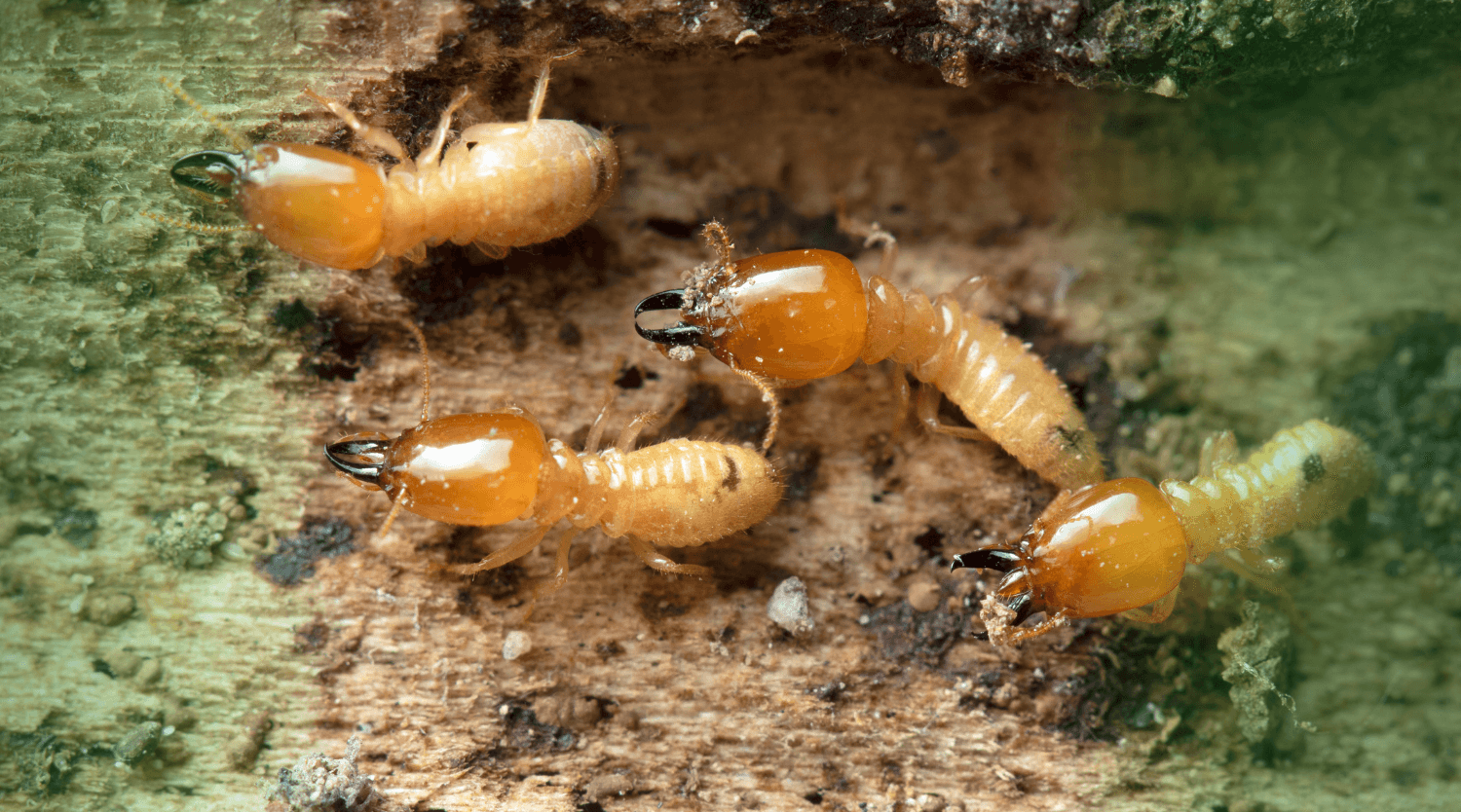
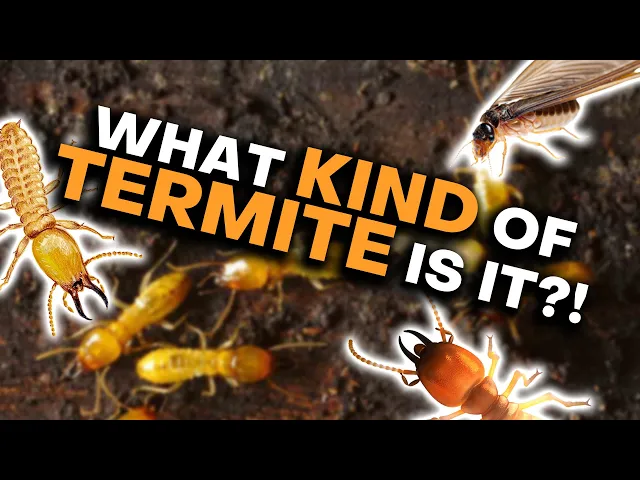
The most common types of termites that damage homes are subterranean termites, drywood termites, and Formosan termites.
Each type harms wood in different ways and can cause major structural problems if they are not found early.
Homeowners often do not know which type of termite they are dealing with. Since each one behaves differently, early identification is key to protecting your home.
Florida’s warm and humid climate makes termite activity strong throughout the year, which is why knowing what to look for helps you stop damage before it grows.
Below is everything you need to know about the types of termites that cause damage, how to spot them, and when to call a professional.
What Are the Most Common Types of Termites That Damage Homes?
Termites are small insects that feed on wood. They live in large colonies that can weaken structures over time.
In the United States, termites cause an estimated $6.8 billion in property damage each year, according to Pest World.org.
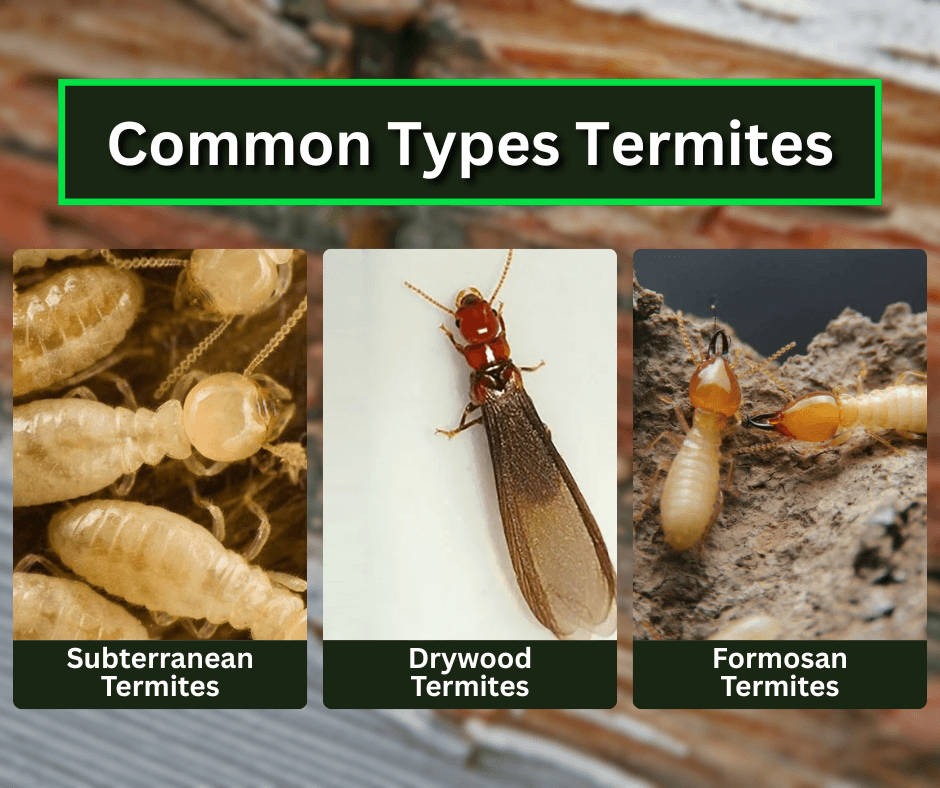
Florida is home to several termite species, but the three that cause the most damage are:
Subterranean termites
Drywood termites
Formosan termites
Each type causes harm in different ways. Learning how they work helps you understand the risk inside your home.
Subterranean Termites and How They Damage Homes
Subterranean termites live in the soil and move into homes through small cracks. They build thin mud tubes on walls or foundations so they can travel while staying protected from dry air and sunlight.
These termites are known to cause the most property damage nationwide because their colonies can grow large.
They feed on wood from the inside out. Many homeowners do not notice the damage until the wood sounds hollow or the surface begins to buckle.
What Subterranean Termites Look Like
Workers are small, soft-bodied, and creamy white
Soldiers have large heads with strong jaws
Swarmers are dark brown or black with two pairs of equal wings
Wings are often found in piles after swarming
Signs of Subterranean Termites
Mud tubes on walls or piers
Soft or hollow wood
Swarmers near windows
Piles of wings after a swarm
Drywood Termites and the Signs Homeowners Often Miss
Drywood termites live inside dry wood and do not need soil contact. This makes them hard to find. They often hide in attics, trim, door frames, or even wooden furniture.
Drywood termites push out small pellets called frass. These pellets look like tiny grains of sand. Some homeowners mistake these piles for simple dust or debris.
What Drywood Termites Look Like
Workers are cream colored and stay hidden inside wood
Soldiers have larger heads with short jaws
Swarmers are reddish brown with two long, clear wings
Swarmers inside the home often signal drywood activity
Signs of Drywood Termites
Small piles of frass under wooden items
Tiny holes in wood
Wood that sounds hollow
Swarmers that appear inside the home
Drywood termites usually create smaller colonies than subterranean termites, but they can still cause trouble when they go unnoticed for a long time.
Formosan Termites and Why They Are a Serious Threat
Formosan termites are sometimes called super termites because they build very large colonies. A single colony can have millions of members. They can spread fast and cause damage more quickly than other types.
They are capable of tunneling through concrete, allowing them to cause major structural damage in a short period of time and bypass traditional perimeter barrier treatments, which is why a combination of chemical barriers and a termite baiting system is necessary for optimum control.
Formosan termites are common in many parts of Florida because they thrive in warm and humid areas.
They can enter homes through soil like subterranean termites, but they may also build nests inside walls if they have enough moisture.
What Formosan Termites Look Like
Workers look similar to subterranean workers but are often slightly larger
Soldiers have tear-shaped heads and strong jaws
Swarmers are a yellowish brown color
Swarmers have long, translucent wings that shed in large piles
Why Formosan Termites Are a Problem
They grow large colonies
They cause faster structural harm
They can build nests above ground
They spread across neighborhoods over time
How to Identify Which Type of Termite Is in Your Home
Many homeowners cannot tell one termite type from another. That is normal. Each species has unique signs, and knowing these details helps you understand what is happening inside your home.
Below is a simple comparison table you can use.
Termite Identification Table
Termite Type | Where They Live | Key Signs | Level of Damage |
Subterranean | Soil, nest under structures | Mud tubes, wings, hollow wood | Very high |
Drywood | Inside dry wood | Frass pellets, kick out holes | High |
Formosan | Soil, walls, moist areas | Large swarms, fast spread | Very high |
Helpful Identification Tips
Swarmers inside the home often mean drywood termites
Mud tubes almost always mean subterranean termites
Large swarms and rapid spread may point to Formosan termites
Why Identifying Types of Termites Early Matters for Home Safety
All termites eat wood, but they do it in different ways.
Subterranean termites can weaken the base of a home. Drywood termites can hollow out attic beams and furniture. Formosan termites can damage several areas at once.
Early detection matters because:
Damage spreads faster in Florida’s warm climate
Repairs become costly when damage goes unnoticed
Treatment depends on the termite type
Homes with early inspections avoid major structural problems
When homeowners know the signs, they can act early and protect their property.
How Termite Damage Impacts the Structural Integrity of a Home
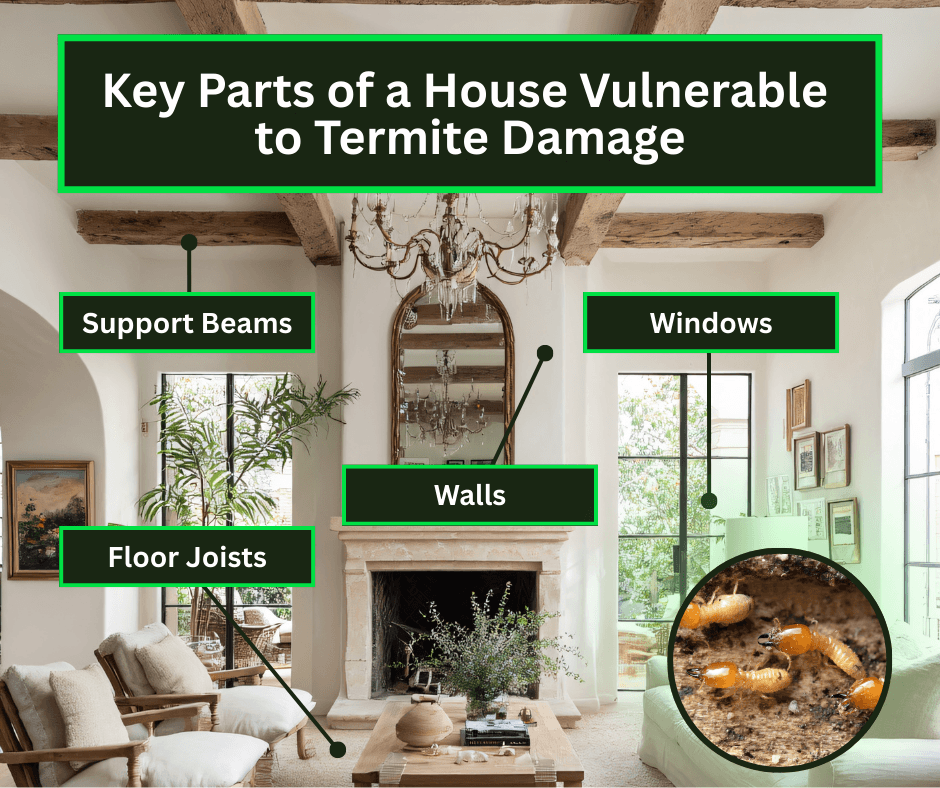
Termites weaken wood from the inside out. They remove the natural strength of beams, joists, studs, and other support structures that keep a home stable.
Because termites avoid light and open air, the damage usually begins in hidden areas where homeowners rarely look.
Here is what happens as termite damage grows:
Support beams lose strength, which can lead to sagging floors and unstable framing.
Floor joists weaken, causing dips, soft spots, or bouncing areas in the flooring.
Wall studs become thin and brittle, leading to cracks in drywall and gaps around doors or windows.
Roof structures shift as termites damage rafters and roof decking. This can cause uneven roof lines or leaks during heavy rain.
Moisture intrusion increases once wood is compromised. Openings in weakened wood allow water to seep in, which then leads to mold or rot.
A major problem is that termite damage often spreads across many areas at the same time. A colony may begin in the foundation and then move through the walls and attic.
By the time visible signs appear, the internal structure may already be affected.
Early inspections help catch this damage before it impacts safety or requires major reconstruction.
The Hidden Costs Homeowners Face When Termites Damage Their Property
Termite infestations can be costly, and many homeowners do not realize how many extra expenses can show up once the damage spreads. Repairs are only one part of the financial impact.
Common Hidden Costs
Repairs are not covered by homeowners' insurance, since termite damage is often considered preventable
Structural reconstruction when beams or joists must be replaced, which is more expensive than surface repairs
Lower home value when a termite history is found during a sale
Moisture and mold issues that form after wood breaks down, creating another layer of repairs
Damage to furniture, cabinets, or decor when drywood termites spread into personal items
Multiple treatment stages are required when termites reach several areas of the home
Long-term monitoring costs to help prevent future colonies
These hidden costs show why early detection and professional protection are important. A quick response limits damage and keeps long-term expenses lower.
Professional Termite Treatment Options for Every Termite Type
A proper treatment plan depends on the termite type. Florida homes often use several treatment methods to stop active colonies and prevent new ones.
Subterranean Termite Treatments
Liquid soil treatments
Bait systems around the foundation
Moisture control steps
Drywood Termite Treatments
Localized wood treatments
Heat or spot treatments
Whole structure fumigation for large infestations
Formosan Termite Treatments
Bait systems
Soil treatments
Moisture source removal
Each method works best when matched with the right termite species and home layout.
How Radix Pest Solution Protects Homes from All Types of Termites
Radix Pest Solution offers inspections, treatment plans, and long-term protection that fits Florida homes. The goal is simple. Find the source of the problem and stop it before it spreads.
Homeowners benefit from:
Clear and detailed inspections
Treatment plans based on termite type
Support for long-term protection
Steps to prevent future infestations
These solutions help protect the value and safety of your home.
Related Questions
What causes termites to infest a home?
Moist soil, wood touching the ground, and water leaks can attract termites.
How long does it take termites to cause serious damage?
Some termite colonies cause noticeable damage in a few months.
How often should homes be inspected for termites?
Yearly residential and commercial inspections help reduce major termite problems.
Can termites return after treatment?
They can. Termite control, monitoring, and preventive steps help lower the risk.
Are termites common in Florida neighborhoods?
Yes. Florida has one of the highest termite activity rates in the country.
Conclusion
Termites can cause major damage before homeowners even know they are present. Learning the types of termites that damage homes helps you spot early signs and take action fast.
Subterranean, drywood, and Formosan termites all behave differently, which is why a professional inspection is the safest way to protect your home.
If you think you may have termites or want peace of mind, schedule a termite inspection with Radix Pest Solutions. A trained technician can identify the issue, explain your options, and help keep your home protected.
The most common types of termites that damage homes are subterranean termites, drywood termites, and Formosan termites.
Each type harms wood in different ways and can cause major structural problems if they are not found early.
Homeowners often do not know which type of termite they are dealing with. Since each one behaves differently, early identification is key to protecting your home.
Florida’s warm and humid climate makes termite activity strong throughout the year, which is why knowing what to look for helps you stop damage before it grows.
Below is everything you need to know about the types of termites that cause damage, how to spot them, and when to call a professional.
What Are the Most Common Types of Termites That Damage Homes?
Termites are small insects that feed on wood. They live in large colonies that can weaken structures over time.
In the United States, termites cause an estimated $6.8 billion in property damage each year, according to Pest World.org.
Florida is home to several termite species, but the three that cause the most damage are:
Subterranean termites
Drywood termites
Formosan termites
Each type causes harm in different ways. Learning how they work helps you understand the risk inside your home.
Subterranean Termites and How They Damage Homes
Subterranean termites live in the soil and move into homes through small cracks. They build thin mud tubes on walls or foundations so they can travel while staying protected from dry air and sunlight.
These termites are known to cause the most property damage nationwide because their colonies can grow large.
They feed on wood from the inside out. Many homeowners do not notice the damage until the wood sounds hollow or the surface begins to buckle.
What Subterranean Termites Look Like
Workers are small, soft-bodied, and creamy white
Soldiers have large heads with strong jaws
Swarmers are dark brown or black with two pairs of equal wings
Wings are often found in piles after swarming
Signs of Subterranean Termites
Mud tubes on walls or piers
Soft or hollow wood
Swarmers near windows
Piles of wings after a swarm
Drywood Termites and the Signs Homeowners Often Miss
Drywood termites live inside dry wood and do not need soil contact. This makes them hard to find. They often hide in attics, trim, door frames, or even wooden furniture.
Drywood termites push out small pellets called frass. These pellets look like tiny grains of sand. Some homeowners mistake these piles for simple dust or debris.
What Drywood Termites Look Like
Workers are cream colored and stay hidden inside wood
Soldiers have larger heads with short jaws
Swarmers are reddish brown with two long, clear wings
Swarmers inside the home often signal drywood activity
Signs of Drywood Termites
Small piles of frass under wooden items
Tiny holes in wood
Wood that sounds hollow
Swarmers that appear inside the home
Drywood termites usually create smaller colonies than subterranean termites, but they can still cause trouble when they go unnoticed for a long time.
Formosan Termites and Why They Are a Serious Threat
Formosan termites are sometimes called super termites because they build very large colonies. A single colony can have millions of members. They can spread fast and cause damage more quickly than other types.
They are capable of tunneling through concrete, allowing them to cause major structural damage in a short period of time and bypass traditional perimeter barrier treatments, which is why a combination of chemical barriers and a termite baiting system is necessary for optimum control.
Formosan termites are common in many parts of Florida because they thrive in warm and humid areas.
They can enter homes through soil like subterranean termites, but they may also build nests inside walls if they have enough moisture.
What Formosan Termites Look Like
Workers look similar to subterranean workers but are often slightly larger
Soldiers have tear-shaped heads and strong jaws
Swarmers are a yellowish brown color
Swarmers have long, translucent wings that shed in large piles
Why Formosan Termites Are a Problem
They grow large colonies
They cause faster structural harm
They can build nests above ground
They spread across neighborhoods over time
How to Identify Which Type of Termite Is in Your Home
Many homeowners cannot tell one termite type from another. That is normal. Each species has unique signs, and knowing these details helps you understand what is happening inside your home.
Below is a simple comparison table you can use.
Termite Identification Table
Termite Type | Where They Live | Key Signs | Level of Damage |
Subterranean | Soil, nest under structures | Mud tubes, wings, hollow wood | Very high |
Drywood | Inside dry wood | Frass pellets, kick out holes | High |
Formosan | Soil, walls, moist areas | Large swarms, fast spread | Very high |
Helpful Identification Tips
Swarmers inside the home often mean drywood termites
Mud tubes almost always mean subterranean termites
Large swarms and rapid spread may point to Formosan termites
Why Identifying Types of Termites Early Matters for Home Safety
All termites eat wood, but they do it in different ways.
Subterranean termites can weaken the base of a home. Drywood termites can hollow out attic beams and furniture. Formosan termites can damage several areas at once.
Early detection matters because:
Damage spreads faster in Florida’s warm climate
Repairs become costly when damage goes unnoticed
Treatment depends on the termite type
Homes with early inspections avoid major structural problems
When homeowners know the signs, they can act early and protect their property.
How Termite Damage Impacts the Structural Integrity of a Home
Termites weaken wood from the inside out. They remove the natural strength of beams, joists, studs, and other support structures that keep a home stable.
Because termites avoid light and open air, the damage usually begins in hidden areas where homeowners rarely look.
Here is what happens as termite damage grows:
Support beams lose strength, which can lead to sagging floors and unstable framing.
Floor joists weaken, causing dips, soft spots, or bouncing areas in the flooring.
Wall studs become thin and brittle, leading to cracks in drywall and gaps around doors or windows.
Roof structures shift as termites damage rafters and roof decking. This can cause uneven roof lines or leaks during heavy rain.
Moisture intrusion increases once wood is compromised. Openings in weakened wood allow water to seep in, which then leads to mold or rot.
A major problem is that termite damage often spreads across many areas at the same time. A colony may begin in the foundation and then move through the walls and attic.
By the time visible signs appear, the internal structure may already be affected.
Early inspections help catch this damage before it impacts safety or requires major reconstruction.
The Hidden Costs Homeowners Face When Termites Damage Their Property
Termite infestations can be costly, and many homeowners do not realize how many extra expenses can show up once the damage spreads. Repairs are only one part of the financial impact.
Common Hidden Costs
Repairs are not covered by homeowners' insurance, since termite damage is often considered preventable
Structural reconstruction when beams or joists must be replaced, which is more expensive than surface repairs
Lower home value when a termite history is found during a sale
Moisture and mold issues that form after wood breaks down, creating another layer of repairs
Damage to furniture, cabinets, or decor when drywood termites spread into personal items
Multiple treatment stages are required when termites reach several areas of the home
Long-term monitoring costs to help prevent future colonies
These hidden costs show why early detection and professional protection are important. A quick response limits damage and keeps long-term expenses lower.
Professional Termite Treatment Options for Every Termite Type
A proper treatment plan depends on the termite type. Florida homes often use several treatment methods to stop active colonies and prevent new ones.
Subterranean Termite Treatments
Liquid soil treatments
Bait systems around the foundation
Moisture control steps
Drywood Termite Treatments
Localized wood treatments
Heat or spot treatments
Whole structure fumigation for large infestations
Formosan Termite Treatments
Bait systems
Soil treatments
Moisture source removal
Each method works best when matched with the right termite species and home layout.
How Radix Pest Solution Protects Homes from All Types of Termites
Radix Pest Solution offers inspections, treatment plans, and long-term protection that fits Florida homes. The goal is simple. Find the source of the problem and stop it before it spreads.
Homeowners benefit from:
Clear and detailed inspections
Treatment plans based on termite type
Support for long-term protection
Steps to prevent future infestations
These solutions help protect the value and safety of your home.
Related Questions
What causes termites to infest a home?
Moist soil, wood touching the ground, and water leaks can attract termites.
How long does it take termites to cause serious damage?
Some termite colonies cause noticeable damage in a few months.
How often should homes be inspected for termites?
Yearly residential and commercial inspections help reduce major termite problems.
Can termites return after treatment?
They can. Termite control, monitoring, and preventive steps help lower the risk.
Are termites common in Florida neighborhoods?
Yes. Florida has one of the highest termite activity rates in the country.
Conclusion
Termites can cause major damage before homeowners even know they are present. Learning the types of termites that damage homes helps you spot early signs and take action fast.
Subterranean, drywood, and Formosan termites all behave differently, which is why a professional inspection is the safest way to protect your home.
If you think you may have termites or want peace of mind, schedule a termite inspection with Radix Pest Solutions. A trained technician can identify the issue, explain your options, and help keep your home protected.
Discover Our Latest Blog Post
Stay informed with the latest tips, insights, and updates from Radix Pest Solutions.


We offer a range of professional pest control services to residential and commercial clients. Our experienced team is dedicated to keeping your property pest-free with minimal disruption to your daily life.
Phone:
E-mail:
Locations:
1940 NW 1st Ave
Pompano Beach, FL 33060
2131 Hollywood Blvd, Ste 306
Hollywood, FL 33020
2829 SW 67th Ave
Miami, FL 33155
Hours
Monday - Saturday
07:00 am – 05:00 pm
Sun Closed
*Closed All Major Holidays*
Our Services
We offer a range of professional pest control services to residential and commercial clients. Our experienced team is dedicated to keeping your property pest-free with minimal disruption to your daily life.
Phone:
E-mail:
Locations:
1940 NW 1st Ave
Pompano Beach, FL 33060
2131 Hollywood Blvd, Ste 306
Hollywood, FL 33020
2829 SW 67th Ave
Miami, FL 33155
Hours
Monday - Saturday
07:00 am – 05:00 pm
Sun Closed
*Closed All Major Holidays*
Our Services
We offer a range of professional pest control services to residential and commercial clients. Our experienced team is dedicated to keeping your property pest-free with minimal disruption to your daily life.
Phone:
E-mail:
Locations:
1940 NW 1st Ave
Pompano Beach, FL 33060
2131 Hollywood Blvd, Ste 306
Hollywood, FL 33020
2829 SW 67th Ave
Miami, FL 33155
Hours
Monday - Saturday
07:00 am – 05:00 pm
Sun Closed
*Closed All Major Holidays*
Our Services
We offer a range of professional pest control services to residential and commercial clients. Our experienced team is dedicated to keeping your property pest-free with minimal disruption to your daily life.
Phone:
E-mail:
Locations:
1940 NW 1st Ave
Pompano Beach, FL 33060
2131 Hollywood Blvd, Ste 306
Hollywood, FL 33020
2829 SW 67th Ave
Miami, FL 33155
Hours
Monday - Saturday
07:00 am – 05:00 pm
Sun Closed
*Closed All Major Holidays*
Our Services