
$25 OFF SERVICE FOR NEW CUSTOMERS!
(954) 405-9043
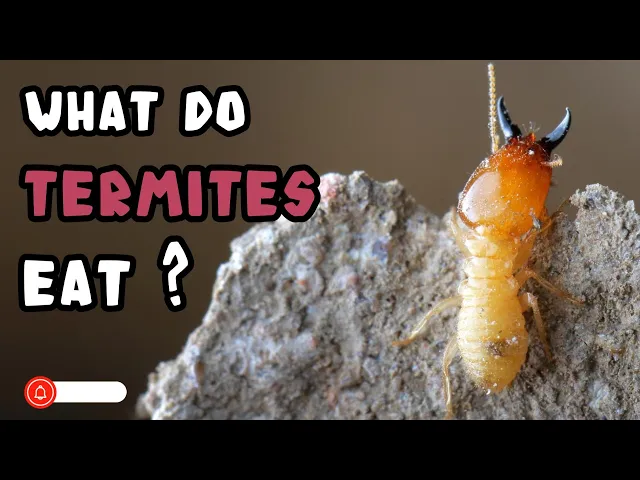
What Do Termites Eat in Florida Homes and Why Does It Matter?
February 11, 2026
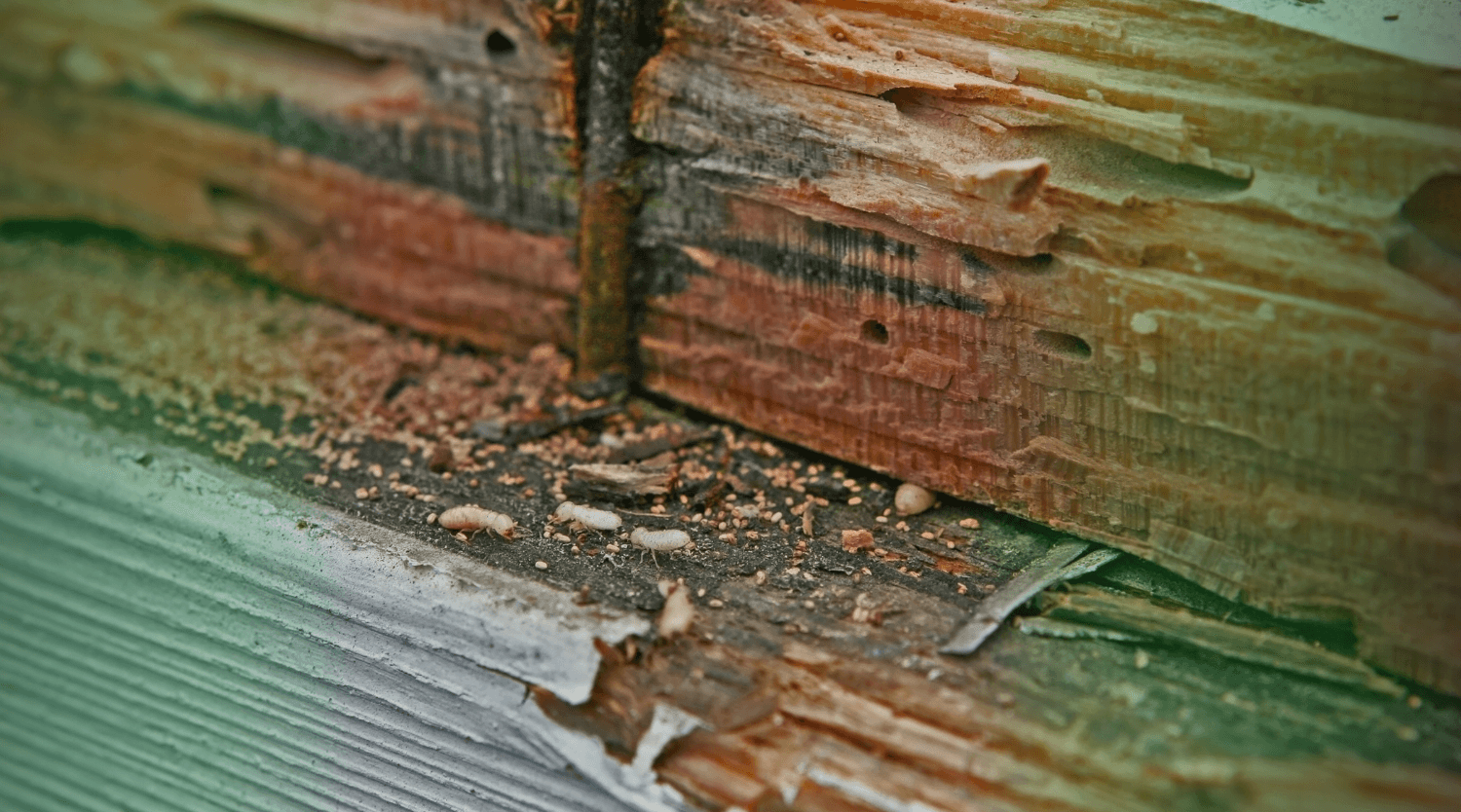
If you own a home in Florida, termites are not just a possibility. They are a real and ongoing threat. Because of the state’s warm weather and high humidity, termite colonies thrive here.
Oftentimes, many homeowners do not think about termites until they see visible damage. By that point, repairs can be expensive and stressful.
That is why it helps to understand a simple but important question: What do termites eat in Florida homes, and why does it matter?
When you understand what attracts termites and what fuels their colonies, you can make smarter decisions about prevention. You can also spot early warning signs before damage spreads.
In this guide, we will break down exactly what termites feed on, why Florida homes face a higher risk, and what you can do to protect your property.
What Do Termites Eat in Florida Homes?
Termites eat cellulose, a natural fiber found in wood and many plant-based materials used in home construction.
Cellulose is the main structural component of plants.
Therefore, since homes are built with wood framing, plywood, paper-backed drywall, and other cellulose-based products, termites have plenty of food once they gain access.
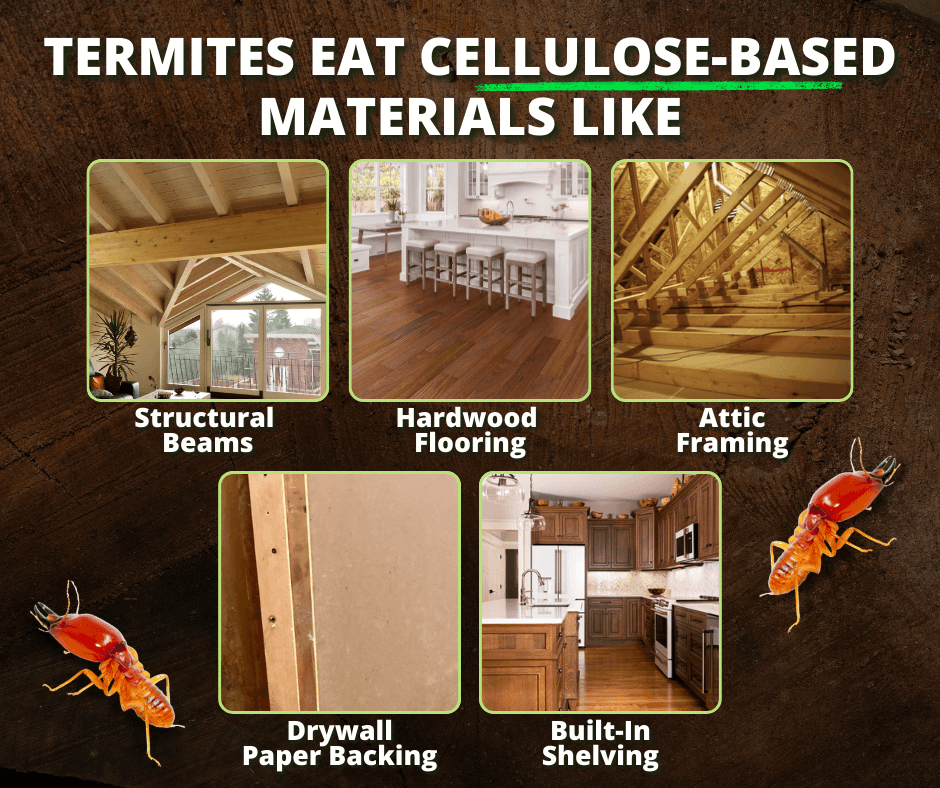
Inside Florida homes, termites commonly feed on:
Wall Studs and Structural Beams
These are the backbone of your home. Subterranean termites often enter from the soil and begin feeding on these hidden supports. Damage can remain unseen for months.
Sub-Flooring and Hardwood Flooring
Termites can hollow out the flooring from underneath. You may first notice soft spots or slight sagging.
Roof Decking and Attic Supports
Drywood termites often infest attic framing. Because these areas are not frequently inspected, damage can grow quietly.
Drywall Paper Backing
While termites do not eat the gypsum core, they consume the paper surface. This can cause bubbling paint or small holes.
Cabinetry and Built-In Shelving
Kitchen cabinets and bathroom vanities are common feeding zones, especially if plumbing leaks increase moisture.
Even if your home is made of concrete block, the interior framing and roof system still contain wood. Therefore, no home is fully immune.
Do Termites Only Eat Wood?
No. Termites eat any material that contains cellulose, not just solid wood.
This is important because many homeowners believe they are safe if they do not have exposed wood.
In reality, termites feed on a wide range of materials.
Common non-wood items termites consume include:
Cardboard boxes stored in garages
Paper documents and books
Wallpaper and paper-backed insulation
Decorative trim
Wooden furniture
Mulch and landscape timbers
For example, storing moving boxes directly on the garage floor creates an easy food source. Once termites establish themselves there, they can move into the structure.
Why Slab Foundations Still Face Risk
Many Florida homes are built on slab foundations. However, subterranean termites travel through soil and build mud tubes along concrete surfaces.
Even a small crack can provide access to interior framing.
Therefore, removing cellulose clutter near your foundation reduces risk.
Why Florida Homes Are at Higher Risk
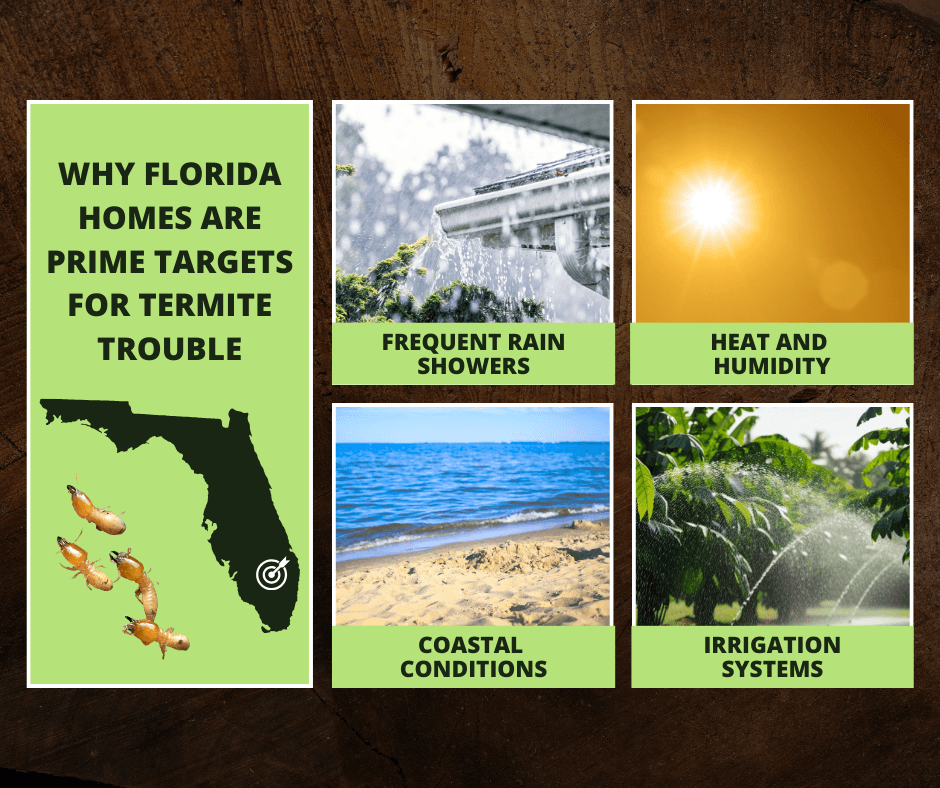
Florida homes face increased termite risk because the climate supports year-round activity and rapid colony growth.
Unlike northern states, Florida rarely experiences extended freezing temperatures. As a result, termite colonies remain active in every season.
Several factors increase vulnerability:
Warm temperatures support breeding and feeding cycles.
High humidity keeps wood moist, making it easier to chew.
Frequent rainstorms create ideal soil conditions for subterranean termites.
Irrigation systems maintain constant moisture near foundations.
Coastal conditions favor drywood termite infestations.
According to the University of Florida Institute of Food and Agricultural Sciences, Florida is consistently ranked among the top states for termite activity.
In addition, the Environmental Protection Agency reports that termites cause more than $5 billion in property damage each year in the United States.
Much of that impact occurs in high-risk states like Florida.
Because most homeowner insurance policies do not cover termite damage, prevention becomes even more important.
Which Type of Termites Are Most Common in Florida Homes?
Florida homes are most commonly affected by subterranean, drywood, and Formosan termites.
Each type feeds differently and presents unique risks.
Subterranean Termites
These termites live underground and build mud tubes to reach structures. They require contact with soil moisture. Once inside, they feed on structural wood from the inside out.
Damage often appears as hollowed wood with a thin outer layer remaining intact.
Drywood Termites
Drywood termites do not need soil contact. They live directly inside dry wood. Attics, roof framing, and wooden trim are common targets.
Homeowners may notice small piles of pellet-like droppings called frass.
Formosan Termites
Formosan termites are a highly aggressive species of subterranean termite. Colonies can contain millions of members.
Because of their size and appetite, they can cause severe structural damage faster than other species.
Identifying the species matters because treatment strategies vary. Soil barrier systems work well for subterranean termites, while localized wood treatments address drywood infestations.
What Parts of Your Florida Home Are Most Vulnerable?
Areas with moisture and hidden wood are the most vulnerable to termite feeding.
Below is a detailed breakdown:
Area of Home | Why It Is Vulnerable | What to Watch For |
Crawl Spaces | High humidity and wood framing | Mud tubes, damp wood |
Attics | Undisturbed wood beams | Frass, hollow wood |
Garage | Cardboard storage | Chewed edges |
Window Frames | Thin wood near moisture | Soft spots |
Decks | Wood-to-soil contact | Rot and galleries |
Crawl Spaces
If your home has a crawl space, inspect it regularly. Plumbing leaks, poor ventilation, and insulation create ideal feeding conditions.
Attics
Drywood termites often infest attic rafters. Since homeowners rarely inspect attics closely, damage spreads quietly.
Exterior Attachments
Deck posts and fence lines that touch soil provide easy access. Termites can move from these structures into your home.
Regular inspections reduce long-term risk.
How Fast Can Termites Damage a Florida Home?
Termites can begin damaging structural wood within months of infestation.
Colonies feed continuously, 24 hours a day. Over time, this constant feeding weakens beams and supports.
Formosan termites are especially destructive. Because colonies are larger, damage may progress faster than expected.
Early warning signs include:
Mud tubes along walls
Bubbling or peeling paint
Sagging floors
Hollow-sounding wood
Discarded wings near windows
The sooner an infestation is identified, the easier it is to treat.
Can Termites Eat Pressure-Treated or Treated Wood?
Yes. Pressure-treated wood resists termites, but it is not completely immune.
Treatment chemicals slow feeding. However, over time, protection can weaken.
Additionally, untreated cuts, drilled holes, or joints provide entry points.
Older Florida homes may have untreated framing. Even newer homes require inspections to ensure protection remains intact.
Therefore, relying solely on treated lumber is not enough.
Why Knowing What Termites Eat Helps Prevent Damage
Understanding the termite diet helps you remove food sources and reduce risk around your home.
Practical prevention strategies include:
Store cardboard in sealed plastic bins
Keep mulch at least six inches away from foundations
Repair roof and plumbing leaks quickly
Improve yard drainage
Seal foundation cracks
Avoid stacking firewood against the house
These steps limit access to cellulose and moisture. As a result, you lower the chances of infestation.
How Radix Pest Solutions Protects Florida Homes
Professional termite control combines inspection, treatment, and monitoring.
Radix Pest Solutions provides:
Detailed interior and exterior inspections
Moisture assessments
Soil barrier treatments for subterranean termites
Targeted drywood termite treatments
Ongoing protection programs
Each treatment plan is customized to your home’s construction and termite species.
Because termite activity continues year-round in Florida, proactive protection offers the strongest defense.
Related Questions
What attracts termites to Florida homes?
Termites are drawn to moisture, untreated wood, and direct soil contact. Leaking pipes, clogged gutters, poor drainage, and wood mulch near foundations all increase attraction.
Are termites active year-round in Florida?
Unlike colder regions, Florida’s warm climate allows termites to stay active in every season. Subterranean termites continue feeding underground even during cooler months.
How often should Florida homes be inspected for termites?
Most Florida homes benefit from a professional termite inspection once per year. Properties with previous infestations, high moisture conditions, or nearby wooded areas may require more frequent monitoring.
Can termites damage concrete block homes in Florida?
Even though many Florida homes use concrete block construction, the interior framing, roof supports, attic trusses, and trim materials still contain wood. Subterranean termites can enter through slab cracks, plumbing penetrations, and expansion joints.
How do professionals treat termites in Florida homes?
Professional treatment methods depend on the termite species and the location of the infestation. Subterranean termites are often addressed with soil barrier treatments or baiting systems. Drywood termites may require localized wood treatments or structural fumigation.
Conclusion
So, what do termites eat in Florida homes, and why does it matter?
They feed on cellulose found in wood, drywall paper, cardboard, and many common building materials. Because Florida’s warm climate supports constant termite activity, even small food sources can attract colonies.
When you understand what termites eat, you can reduce risk, monitor vulnerable areas, and act quickly if warning signs appear.
If you want professional guidance or peace of mind, schedule a termite inspection with Radix Pest Solutions. Early detection and prevention help protect your Florida home for the long term.
If you own a home in Florida, termites are not just a possibility. They are a real and ongoing threat. Because of the state’s warm weather and high humidity, termite colonies thrive here.
Oftentimes, many homeowners do not think about termites until they see visible damage. By that point, repairs can be expensive and stressful.
That is why it helps to understand a simple but important question: What do termites eat in Florida homes, and why does it matter?
When you understand what attracts termites and what fuels their colonies, you can make smarter decisions about prevention. You can also spot early warning signs before damage spreads.
In this guide, we will break down exactly what termites feed on, why Florida homes face a higher risk, and what you can do to protect your property.
What Do Termites Eat in Florida Homes?
Termites eat cellulose, a natural fiber found in wood and many plant-based materials used in home construction.
Cellulose is the main structural component of plants.
Therefore, since homes are built with wood framing, plywood, paper-backed drywall, and other cellulose-based products, termites have plenty of food once they gain access.
Inside Florida homes, termites commonly feed on:
Wall Studs and Structural Beams
These are the backbone of your home. Subterranean termites often enter from the soil and begin feeding on these hidden supports. Damage can remain unseen for months.
Sub-Flooring and Hardwood Flooring
Termites can hollow out the flooring from underneath. You may first notice soft spots or slight sagging.
Roof Decking and Attic Supports
Drywood termites often infest attic framing. Because these areas are not frequently inspected, damage can grow quietly.
Drywall Paper Backing
While termites do not eat the gypsum core, they consume the paper surface. This can cause bubbling paint or small holes.
Cabinetry and Built-In Shelving
Kitchen cabinets and bathroom vanities are common feeding zones, especially if plumbing leaks increase moisture.
Even if your home is made of concrete block, the interior framing and roof system still contain wood. Therefore, no home is fully immune.
Do Termites Only Eat Wood?
No. Termites eat any material that contains cellulose, not just solid wood.
This is important because many homeowners believe they are safe if they do not have exposed wood.
In reality, termites feed on a wide range of materials.
Common non-wood items termites consume include:
Cardboard boxes stored in garages
Paper documents and books
Wallpaper and paper-backed insulation
Decorative trim
Wooden furniture
Mulch and landscape timbers
For example, storing moving boxes directly on the garage floor creates an easy food source. Once termites establish themselves there, they can move into the structure.
Why Slab Foundations Still Face Risk
Many Florida homes are built on slab foundations. However, subterranean termites travel through soil and build mud tubes along concrete surfaces.
Even a small crack can provide access to interior framing.
Therefore, removing cellulose clutter near your foundation reduces risk.
Why Florida Homes Are at Higher Risk
Florida homes face increased termite risk because the climate supports year-round activity and rapid colony growth.
Unlike northern states, Florida rarely experiences extended freezing temperatures. As a result, termite colonies remain active in every season.
Several factors increase vulnerability:
Warm temperatures support breeding and feeding cycles.
High humidity keeps wood moist, making it easier to chew.
Frequent rainstorms create ideal soil conditions for subterranean termites.
Irrigation systems maintain constant moisture near foundations.
Coastal conditions favor drywood termite infestations.
According to the University of Florida Institute of Food and Agricultural Sciences, Florida is consistently ranked among the top states for termite activity.
In addition, the Environmental Protection Agency reports that termites cause more than $5 billion in property damage each year in the United States.
Much of that impact occurs in high-risk states like Florida.
Because most homeowner insurance policies do not cover termite damage, prevention becomes even more important.
Which Type of Termites Are Most Common in Florida Homes?
Florida homes are most commonly affected by subterranean, drywood, and Formosan termites.
Each type feeds differently and presents unique risks.
Subterranean Termites
These termites live underground and build mud tubes to reach structures. They require contact with soil moisture. Once inside, they feed on structural wood from the inside out.
Damage often appears as hollowed wood with a thin outer layer remaining intact.
Drywood Termites
Drywood termites do not need soil contact. They live directly inside dry wood. Attics, roof framing, and wooden trim are common targets.
Homeowners may notice small piles of pellet-like droppings called frass.
Formosan Termites
Formosan termites are a highly aggressive species of subterranean termite. Colonies can contain millions of members.
Because of their size and appetite, they can cause severe structural damage faster than other species.
Identifying the species matters because treatment strategies vary. Soil barrier systems work well for subterranean termites, while localized wood treatments address drywood infestations.
What Parts of Your Florida Home Are Most Vulnerable?
Areas with moisture and hidden wood are the most vulnerable to termite feeding.
Below is a detailed breakdown:
Area of Home | Why It Is Vulnerable | What to Watch For |
Crawl Spaces | High humidity and wood framing | Mud tubes, damp wood |
Attics | Undisturbed wood beams | Frass, hollow wood |
Garage | Cardboard storage | Chewed edges |
Window Frames | Thin wood near moisture | Soft spots |
Decks | Wood-to-soil contact | Rot and galleries |
Crawl Spaces
If your home has a crawl space, inspect it regularly. Plumbing leaks, poor ventilation, and insulation create ideal feeding conditions.
Attics
Drywood termites often infest attic rafters. Since homeowners rarely inspect attics closely, damage spreads quietly.
Exterior Attachments
Deck posts and fence lines that touch soil provide easy access. Termites can move from these structures into your home.
Regular inspections reduce long-term risk.
How Fast Can Termites Damage a Florida Home?
Termites can begin damaging structural wood within months of infestation.
Colonies feed continuously, 24 hours a day. Over time, this constant feeding weakens beams and supports.
Formosan termites are especially destructive. Because colonies are larger, damage may progress faster than expected.
Early warning signs include:
Mud tubes along walls
Bubbling or peeling paint
Sagging floors
Hollow-sounding wood
Discarded wings near windows
The sooner an infestation is identified, the easier it is to treat.
Can Termites Eat Pressure-Treated or Treated Wood?
Yes. Pressure-treated wood resists termites, but it is not completely immune.
Treatment chemicals slow feeding. However, over time, protection can weaken.
Additionally, untreated cuts, drilled holes, or joints provide entry points.
Older Florida homes may have untreated framing. Even newer homes require inspections to ensure protection remains intact.
Therefore, relying solely on treated lumber is not enough.
Why Knowing What Termites Eat Helps Prevent Damage
Understanding the termite diet helps you remove food sources and reduce risk around your home.
Practical prevention strategies include:
Store cardboard in sealed plastic bins
Keep mulch at least six inches away from foundations
Repair roof and plumbing leaks quickly
Improve yard drainage
Seal foundation cracks
Avoid stacking firewood against the house
These steps limit access to cellulose and moisture. As a result, you lower the chances of infestation.
How Radix Pest Solutions Protects Florida Homes
Professional termite control combines inspection, treatment, and monitoring.
Radix Pest Solutions provides:
Detailed interior and exterior inspections
Moisture assessments
Soil barrier treatments for subterranean termites
Targeted drywood termite treatments
Ongoing protection programs
Each treatment plan is customized to your home’s construction and termite species.
Because termite activity continues year-round in Florida, proactive protection offers the strongest defense.
Related Questions
What attracts termites to Florida homes?
Termites are drawn to moisture, untreated wood, and direct soil contact. Leaking pipes, clogged gutters, poor drainage, and wood mulch near foundations all increase attraction.
Are termites active year-round in Florida?
Unlike colder regions, Florida’s warm climate allows termites to stay active in every season. Subterranean termites continue feeding underground even during cooler months.
How often should Florida homes be inspected for termites?
Most Florida homes benefit from a professional termite inspection once per year. Properties with previous infestations, high moisture conditions, or nearby wooded areas may require more frequent monitoring.
Can termites damage concrete block homes in Florida?
Even though many Florida homes use concrete block construction, the interior framing, roof supports, attic trusses, and trim materials still contain wood. Subterranean termites can enter through slab cracks, plumbing penetrations, and expansion joints.
How do professionals treat termites in Florida homes?
Professional treatment methods depend on the termite species and the location of the infestation. Subterranean termites are often addressed with soil barrier treatments or baiting systems. Drywood termites may require localized wood treatments or structural fumigation.
Conclusion
So, what do termites eat in Florida homes, and why does it matter?
They feed on cellulose found in wood, drywall paper, cardboard, and many common building materials. Because Florida’s warm climate supports constant termite activity, even small food sources can attract colonies.
When you understand what termites eat, you can reduce risk, monitor vulnerable areas, and act quickly if warning signs appear.
If you want professional guidance or peace of mind, schedule a termite inspection with Radix Pest Solutions. Early detection and prevention help protect your Florida home for the long term.
Discover Our Latest Blog Post
Stay informed with the latest tips, insights, and updates from Radix Pest Solutions.


We offer a range of professional pest control services to residential and commercial clients. Our experienced team is dedicated to keeping your property pest-free with minimal disruption to your daily life.
Phone:
E-mail:
Locations:
1940 NW 1st Ave
Pompano Beach, FL 33060
2131 Hollywood Blvd, Ste 306
Hollywood, FL 33020
2829 SW 67th Ave
Miami, FL 33155
Hours
Monday - Saturday
07:00 am – 05:00 pm
Sun Closed
*Closed All Major Holidays*
Our Services
We offer a range of professional pest control services to residential and commercial clients. Our experienced team is dedicated to keeping your property pest-free with minimal disruption to your daily life.
Phone:
E-mail:
Locations:
1940 NW 1st Ave
Pompano Beach, FL 33060
2131 Hollywood Blvd, Ste 306
Hollywood, FL 33020
2829 SW 67th Ave
Miami, FL 33155
Hours
Monday - Saturday
07:00 am – 05:00 pm
Sun Closed
*Closed All Major Holidays*
Our Services
We offer a range of professional pest control services to residential and commercial clients. Our experienced team is dedicated to keeping your property pest-free with minimal disruption to your daily life.
Phone:
E-mail:
Locations:
1940 NW 1st Ave
Pompano Beach, FL 33060
2131 Hollywood Blvd, Ste 306
Hollywood, FL 33020
2829 SW 67th Ave
Miami, FL 33155
Hours
Monday - Saturday
07:00 am – 05:00 pm
Sun Closed
*Closed All Major Holidays*
Our Services
We offer a range of professional pest control services to residential and commercial clients. Our experienced team is dedicated to keeping your property pest-free with minimal disruption to your daily life.
Phone:
E-mail:
Locations:
1940 NW 1st Ave
Pompano Beach, FL 33060
2131 Hollywood Blvd, Ste 306
Hollywood, FL 33020
2829 SW 67th Ave
Miami, FL 33155
Hours
Monday - Saturday
07:00 am – 05:00 pm
Sun Closed
*Closed All Major Holidays*
Our Services